
How to Grow and Care for Cobweb House-leek
Sempervivum arachnoideum
Written by Emilio Marruso · last checked
Toxic to: People · Why
At a glance
Cobweb houseleek is a perennial that asks for very little: full sun to light shade and a drink only once the soil has dried out for a few days. Plant it from May to September, in the ground or in a pot, and it will reward you with small offset rosettes, the chicks, that you can separate to make new plants.
- Sun
Full sun to light shade
What the sources say (3)
Light: Full sun to light shade
For best results, grow Sempervivum arachnoideum in full sun in well-drained soil, preferably in containers with added horticultural grit to aid drainage.
— Sempervivum arachnoideum | BBC Gardeners World Magazine [3] Plant in a well-drained succulent soil mix in full sun to light shade.
— Sempervivum arachnoideum (Cobweb Houseleek) - World of Succulents [5] where it requires very little water and full sun
— Sempervivum arachnoideum L. – Giardino della Flora Appenninica [1] - Water
Let the soil dry for a few days between waterings; water less after midsummer and almost none in winter
What the sources say (3)
Watering: Regular watering, always allowing the substratum to dry for some days before irrigating again; more humidity in spring until mid summer
It needs more humidity by the vegetative renewal, in spring and till mid summer, then regular watering, but always allowing the substratum to dry for some days before irrigating again
— Sempervivum arachnoideum - Monaco Nature Encyclopedia [2] Water regularly during the growing season and allow the soil to dry out before watering again. Water very little during the winter months.
— Sempervivum arachnoideum (Cobweb Houseleek) - World of Succulents [5] Watering notes: Watering is reduced later on and almost suspended in winter
later on, the watering are to be reduced and finally almost suspended in winter
— Sempervivum arachnoideum - Monaco Nature Encyclopedia [2] - Cold
Survives winters down to −20 °F (−28.9 °C)
Very hardy · USDA 5a · RHS H7 · Z5
What the sources say (2)
Hardiness, coldest zone: 5a [winter low −28.9 to −26.1 °C (−20 to −15 °F)]
USDA hardiness zones 5a to 8b: from −20 °F (−28.9 °C) to 20 °F (−6.7 °C).
— Sempervivum arachnoideum (Cobweb Houseleek) - World of Succulents [5] Hardiness, warmest zone: 8b [winter low −9.4 to −6.7 °C (15 to 20 °F)]
USDA hardiness zones 5a to 8b: from −20 °F (−28.9 °C) to 20 °F (−6.7 °C).
— Sempervivum arachnoideum (Cobweb Houseleek) - World of Succulents [5] - Planting
Plant from May to September
What the sources say (1)
Planting: May to September
| Plant | | | | | yes | yes | yes | yes | yes | | |
— Sempervivum arachnoideum | BBC Gardeners World Magazine [3] - Propagation
Separate the small rosettes (chicks), divide the clump or sow seeds
What the sources say (3)
Propagation: Seed; division; separating the small offset rosettes (chicks)
It reproduces by seed, placed in surface, which germinates in 2-4 weeks at a temperature of 20
— Sempervivum arachnoideum - Monaco Nature Encyclopedia [2] After the rosette blooms and sets seed, it will die, but many offsets will take place.
— Sempervivum arachnoideum (Cobweb Houseleek) - World of Succulents [5] Propagate new plants by gently teasing out the small baby rosettes (chicks) which appear around the main plant (hen), and transplant to a new location.
— Sempervivum arachnoideum | BBC Gardeners World Magazine [3] - Containers
Grows in pots too
What the sources say (2)
In containers: Yes
Growing Sempervivum in a container, rock garden, scree bed, wall crevice, trough, or alpine house is relatively easy.
— Sempervivum arachnoideum (Cobweb Houseleek) - World of Succulents [5] For best results, grow Sempervivum arachnoideum in full sun in well-drained soil, preferably in containers with added horticultural grit to aid drainage.
— Sempervivum arachnoideum | BBC Gardeners World Magazine [3] - Safety
No toxic effects reported
Overview
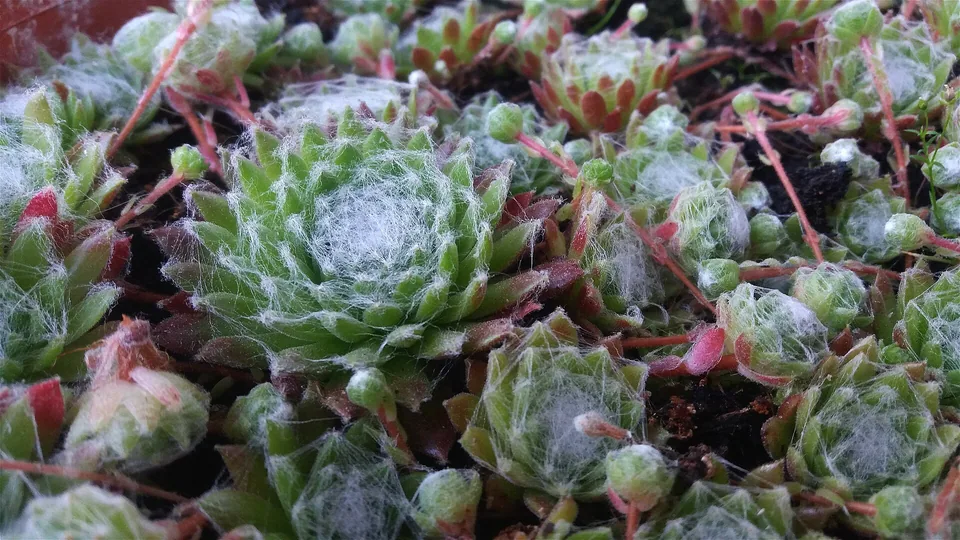
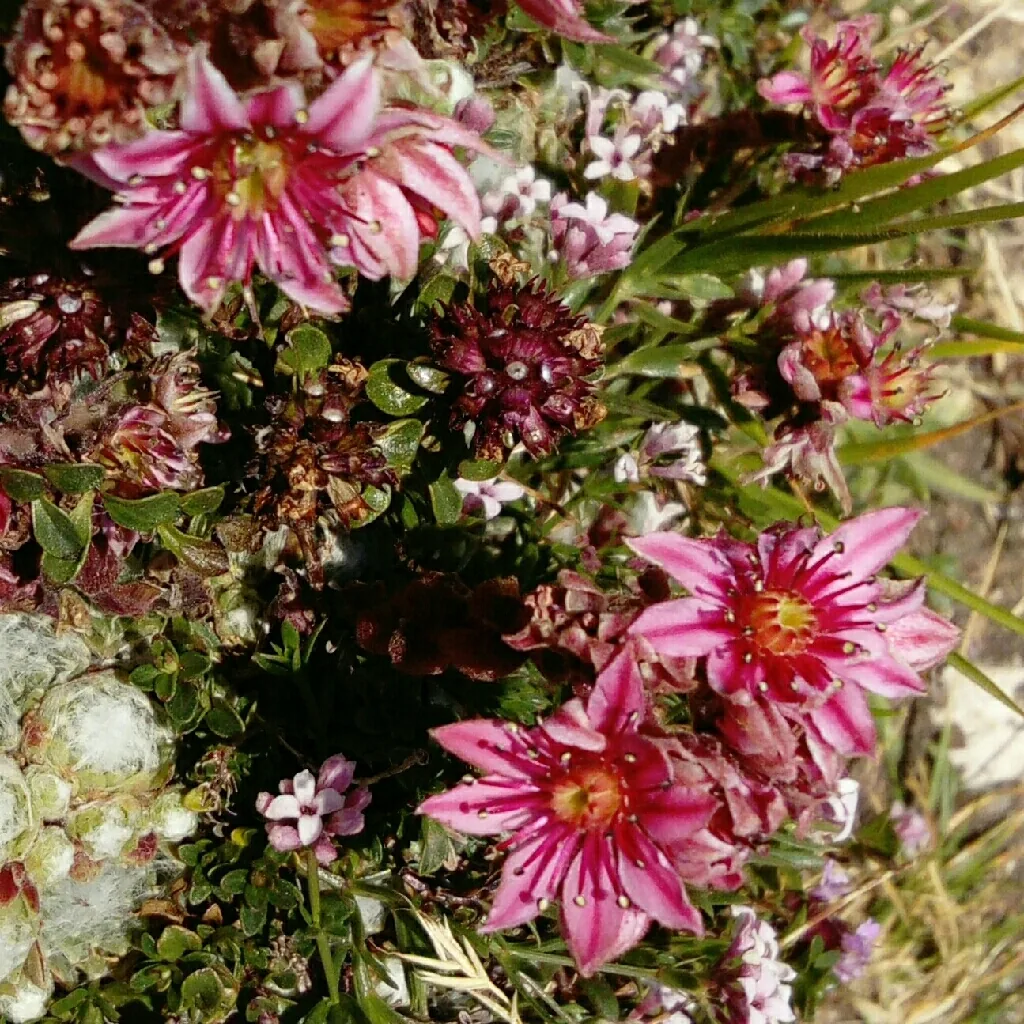
Sempervivum arachnoideum is a perennial succulent forming basal rosettes, native to the Alps and Apennines in Italy. [1] It is grown in full sun in well-drained soil, preferably in containers with added grit. [3] It reproduces by seed and, very easily, by division. [2]
This record is incomplete: the sources we read do not cover every field yet.
Not yet covered by our sources: Pruning
Cobweb House-leek care
How to water Cobweb House-leek
Watering
Regular watering, always allowing the substratum to dry for some days before irrigating again; more humidity in spring until mid summer
What the sources say (2)
It needs more humidity by the vegetative renewal, in spring and till mid summer, then regular watering, but always allowing the substratum to dry for some days before irrigating againWater regularly during the growing season and allow the soil to dry out before watering again. Water very little during the winter months.Watering notes
Watering is reduced later on and almost suspended in winter
What the sources say (1)
later on, the watering are to be reduced and finally almost suspended in winterHow much light Cobweb House-leek needs
Full sun to light shade
What the sources say (3)
For best results, grow Sempervivum arachnoideum in full sun in well-drained soil, preferably in containers with added horticultural grit to aid drainage.Plant in a well-drained succulent soil mix in full sun to light shade.where it requires very little water and full sunHow much cold Cobweb House-leek can take
Hardiness, coldest zone
5a [winter low −28.9 to −26.1 °C (−20 to −15 °F)]
What the sources say (1)
USDA hardiness zones 5a to 8b: from −20 °F (−28.9 °C) to 20 °F (−6.7 °C).Hardiness, warmest zone
8b [winter low −9.4 to −6.7 °C (15 to 20 °F)]
What the sources say (1)
USDA hardiness zones 5a to 8b: from −20 °F (−28.9 °C) to 20 °F (−6.7 °C).Where to grow Cobweb House-leek
Yes
What the sources say (2)
Growing Sempervivum in a container, rock garden, scree bed, wall crevice, trough, or alpine house is relatively easy.For best results, grow Sempervivum arachnoideum in full sun in well-drained soil, preferably in containers with added horticultural grit to aid drainage.How to propagate Cobweb House-leek
Seed; division; separating the small offset rosettes (chicks)
What the sources say (3)
It reproduces by seed, placed in surface, which germinates in 2-4 weeks at a temperature of 20After the rosette blooms and sets seed, it will die, but many offsets will take place.Propagate new plants by gently teasing out the small baby rosettes (chicks) which appear around the main plant (hen), and transplant to a new location.How to grow Cobweb House-leek
The plant
Life cycle
perennial
What the sources say (1)
Habit: Perennial succulent plant developing in characteristic basal rosettes. Stems: Creeping, allowing the plant to form dense carpets in rock crevices.Remedies
The sources we checked give no remedies for this plant.
Is Cobweb House-leek poisonous?
Reported by the source, quoted verbatim. This is not medical or veterinary advice: if a person or an animal may have eaten this plant, contact a poison control centre or a veterinarian.
Is Sempervivum ‘Arachnoideum’ poisonous? Sempervivum ‘Arachnoideum’ has no toxic effects reported. No reported toxicity to: Is not known to attract Birds
[3]
Calendar
May to September
What the sources say (1)
| Plant | | | | | yes | yes | yes | yes | yes | | | Not stated in the sources we read.
Months as given by the sources, which are mostly from the United States (northern hemisphere). In the southern hemisphere they shift by about six months.
Similar plants
- Hens and Chicks Sempervivum tectorum
- Abies grandis Abies grandis
- Abraham Trachystemon orientalis
- Abyssinian banana Ensete ventricosum
- Acacia longifolia Acacia longifolia
- Acanthus hungaricus Acanthus hungaricus
- Aconite Aconitum napellus
- Adam's Needle Yucca flaccida
Sources
Every value above is quoted from these documents. Links lead to the original publisher.
- Sempervivum arachnoideum L. – Giardino della Flora Appenninica · giardinocapracotta.unimol.it, consulted
- Sempervivum arachnoideum - Monaco Nature Encyclopedia · monaconatureencyclopedia.com, consulted
- Sempervivum arachnoideum | BBC Gardeners World Magazine · develop.gardenersworld.com, consulted
- How to Grow Sempervivum - Garden Chronicle · harvesttotable.com, consulted
- Sempervivum arachnoideum (Cobweb Houseleek) - World of Succulents · worldofsucculents.com, consulted
Written by Emilio Marruso · last checked