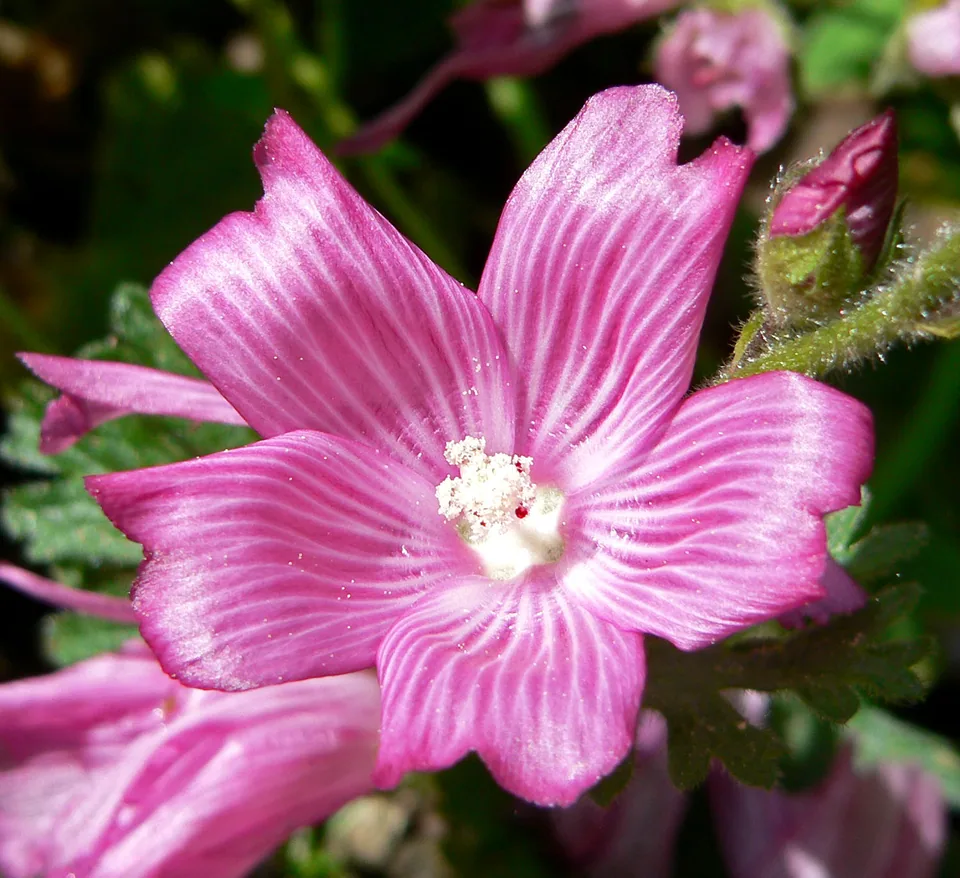
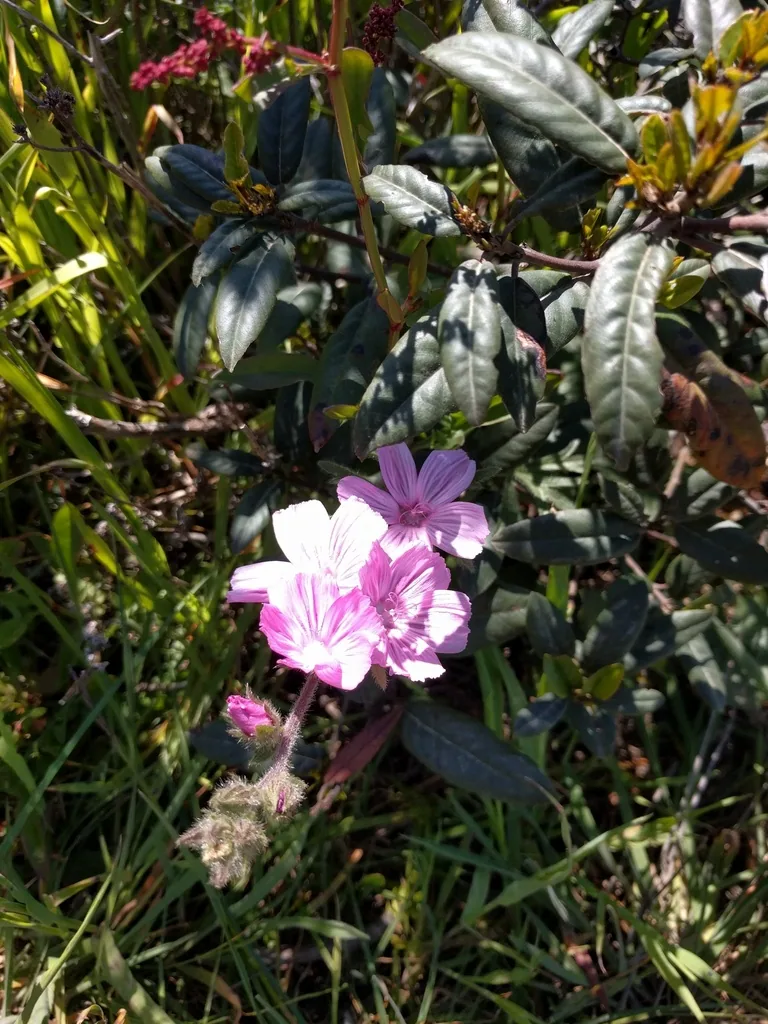

How to Grow and Care for Dwarf checkerbloom
Sidalcea malviflora
Written by Emilio Marruso · last checked
At a glance
This plant loves full sun, with a little shade in the hottest part of the day, and deep, fertile soil that drains well yet stays moist. Sow it in a greenhouse in spring, set the seedlings out in summer, and trim it right after flowering. Bonus: its mild, slightly slippery leaves make a very pleasant salad, raw or cooked.
- Sun
Full sun, or some shade in the hottest part of the day
What the sources say (1)
Light: Full sun, or some shade at the hottest part of the day
Prefers a deep fertile well-drained but moisture-retentive soil in full sun or with some shade at the hottest part of the day
— Sidalcea malviflora - Useful Temperate Plants [1] - Soil
Deep, fertile soil that drains well but stays moist
What the sources say (1)
Watering notes: Prefers a deep, fertile, well-drained but moisture-retentive soil
Prefers a deep fertile well-drained but moisture-retentive soil in full sun or with some shade at the hottest part of the day
— Sidalcea malviflora - Useful Temperate Plants [1] - Planting
Plant the seedlings out in summer
What the sources say (1)
Planting: Summer (seedlings)
Seed - sow spring in a greenhouse. When the seedlings are large enough to handle, prick them out into individual pots and plant them out in the summer.
— Sidalcea malviflora - Useful Temperate Plants [1] - Pruning
Prune right after it finishes flowering
What the sources say (1)
Pruning: Immediately after flowering
If the plants are cut back immediately after flowering they will usually produce a second flush of bloom in late summer
— Sidalcea malviflora - Useful Temperate Plants [1] - Harvest
The leaves are edible raw or cooked, with a very mild flavor: great in salads
- Propagation
Grow new plants from seed or by dividing the clump
What the sources say (2)
Propagation: Seed, division
Seed - sow spring in a greenhouse. When the seedlings are large enough to handle, prick them out into individual pots and plant them out in the summer.
— Sidalcea malviflora - Useful Temperate Plants [1] prick them out into individual pots and plant them out in the summer. Division in the spring.
— Sidalcea malviflora - Useful Temperate Plants [1] - Sowing
Sow in spring in a greenhouse
What the sources say (1)
Sowing: Spring (greenhouse)
Seed - sow spring in a greenhouse. When the seedlings are large enough to handle, prick them out into individual pots and plant them out in the summer.
— Sidalcea malviflora - Useful Temperate Plants [1]
Overview
Sidalcea malviflora is a perennial that can grow up to 0.80 m [2.6 ft] tall, with many named varieties selected for ornamental value. [1] It prefers a deep, fertile, well-drained but moisture-retentive soil in full sun or with some shade at the hottest part of the day. [1] Cutting plants back immediately after flowering usually produces a second flush of bloom in late summer. [1]
This record is incomplete: the sources we read do not cover every field yet.
Not yet covered by our sources: Watering, Hardiness, coldest zone, Hardiness, warmest zone
Dwarf checkerbloom care
Measurements in square brackets are our conversion into the other unit system; the quoted text is unchanged.
How to water Dwarf checkerbloom
Watering
Not stated in the sources we read.
Watering notes
Prefers a deep, fertile, well-drained but moisture-retentive soil
What the sources say (1)
Prefers a deep fertile well-drained but moisture-retentive soil in full sun or with some shade at the hottest part of the dayHow much light Dwarf checkerbloom needs
Full sun, or some shade at the hottest part of the day
What the sources say (1)
Prefers a deep fertile well-drained but moisture-retentive soil in full sun or with some shade at the hottest part of the dayHow much cold Dwarf checkerbloom can take
Hardiness, coldest zone
Not stated in the sources we read.
Hardiness, warmest zone
Not stated in the sources we read.
How to propagate Dwarf checkerbloom
Seed, division
What the sources say (2)
Seed - sow spring in a greenhouse. When the seedlings are large enough to handle, prick them out into individual pots and plant them out in the summer.prick them out into individual pots and plant them out in the summer.
Division in the spring.Remedies
The sources we checked give no remedies for this plant.
Calendar
Sowing
Spring (greenhouse)
What the sources say (1)
Seed - sow spring in a greenhouse. When the seedlings are large enough to handle, prick them out into individual pots and plant them out in the summer.Planting
Summer (seedlings)
What the sources say (1)
Seed - sow spring in a greenhouse. When the seedlings are large enough to handle, prick them out into individual pots and plant them out in the summer.Pruning
Immediately after flowering
What the sources say (1)
If the plants are cut back immediately after flowering they will usually produce a second flush of bloom in late summerMonths as given by the sources, which are mostly from the United States (northern hemisphere). In the southern hemisphere they shift by about six months.
Edibility
Reported by the source, quoted verbatim. Do not eat a plant on the basis of this page alone: identification mistakes can be dangerous.
Leaves - raw or cooked. The leaves have a very mild flavour and a slightly mucilaginous texture, they make a very acceptable salad
[1]
Indicative values
Values from a secondary source, not checked word for word like the rest of this page. Use them as a starting point.
- Life cycle
- Herbaceous PerennialIndicative value, adapt it to your climate · Secondary source
- Watering
- AverageIndicative value, adapt it to your climate · Secondary source
- Drought tolerant
- yesIndicative value, adapt it to your climate · Secondary source
- Soil
- Humus rich, Well-drainedIndicative value, adapt it to your climate · Secondary source
- Soil pH
- 6-7.5Indicative value, adapt it to your climate · Secondary source
- Growth rate
- HighIndicative value, adapt it to your climate · Secondary source
- Pests
- Rust, Slugs, snailsIndicative value, adapt it to your climate · Secondary source
Similar plants
- Abies grandis Abies grandis
- Abraham Trachystemon orientalis
- Abyssinian banana Ensete ventricosum
- Acacia longifolia Acacia longifolia
- Acanthus hungaricus Acanthus hungaricus
- Aconite Aconitum napellus
- Adam's Needle Yucca flaccida
- Adriatic lizard orchid Himantoglossum adriaticum
Sources
Every value above is quoted from these documents. Links lead to the original publisher.
- Sidalcea malviflora - Useful Temperate Plants · temperate.theferns.info, consulted
- Checker Mallow : · friendsofedgewood.org, consulted
Written by Emilio Marruso · last checked