
How to Grow and Care for Carolina Hemlock
Tsuga caroliniana
Written by Emilio Marruso · last checked
Not toxic to cats and dogs, according to the sources · Sources
At a glance
Carolina hemlock is an evergreen that spreads 20–25 feet wide, and its seeds are a welcome food for birds. Plant it in spring or fall, give it consistently moist, well-drained soil and water it regularly when the weather turns dry. It is safe around cats, dogs and horses, so it makes a worry-free centerpiece for a family garden.
- Water
Water regularly, especially in dry spells; it does not tolerate drought
What the sources say (3)
Watering: Water regularly, especially in dry conditions
It is not drought tolerant and will need to be watered regularly, especially in dry conditions.
— Tsuga caroliniana (Carolina Hemlock) | North Carolina Extension Gardener Plant Toolbox [1] Watering notes: Not drought tolerant; more sensitive to drought than other evergreens; consistently moist, well-drained soil
will not thrive under hot, dry conditions; more tolerant of air pollution than T. canadensis; more sensitive to drought than other evergreens
— Woody Plants Database [2] Moisture Tolerance: Consistently moist, well-drained soil; Occasional periods of dry soil
— Woody Plants Database [2] - Cold
Survives winters down to −10 °F (−23.3 °C)
Very hardy · USDA 6a · RHS H7 · Z6
What the sources say (2)
Hardiness, coldest zone: 6a [winter low −23.3 to −20.6 °C (−10 to −5 °F)]
USDA Plant Hardiness Zone: 6a, 6b, 7a, 7b
— Tsuga caroliniana (Carolina Hemlock) | North Carolina Extension Gardener Plant Toolbox [1] Hardiness, warmest zone: 7b [winter low −15 to −12.2 °C (5 to 10 °F)]
USDA Plant Hardiness Zone: 6a, 6b, 7a, 7b
— Tsuga caroliniana (Carolina Hemlock) | North Carolina Extension Gardener Plant Toolbox [1] - Soil
Moist, well-drained soil, pH 5.0–7.4
What the sources say (4)
Soil pH, minimum: 5.0
Soil Ph: Can tolerate acid to neutral soil (pH 5.0 to 7.4)
— Woody Plants Database [2] Soil pH, maximum: 7.4
Soil Ph: Can tolerate acid to neutral soil (pH 5.0 to 7.4)
— Woody Plants Database [2] Watering notes: Not drought tolerant; more sensitive to drought than other evergreens; consistently moist, well-drained soil
will not thrive under hot, dry conditions; more tolerant of air pollution than T. canadensis; more sensitive to drought than other evergreens
— Woody Plants Database [2] Moisture Tolerance: Consistently moist, well-drained soil; Occasional periods of dry soil
— Woody Plants Database [2] - Planting
Plant in spring or fall
What the sources say (1)
Planting: Spring or fall (balled and burlapped transplants)
transplant B&B in spring or fall; slow to medium growth rate; can be pruned into hedges
— Woody Plants Database [2] - Harvest
Its seeds are a food source for birds
- Pests
Bagworms, borers, leaf miners, sawflies and mites; needle blight, cankers, rusts and rots
What the sources say (2)
Pests: hemlock woolly adelgid, ambrosia beetle, bagworms, borers, leaf miner, sawfly, mites
it is susceptible to hemlock woolly adelgid and is becoming rare in western NC. Other insect problems include ambrosia beetle, bagworms, borers, leaf miner, sawfly and mites.
— Tsuga caroliniana (Carolina Hemlock) | North Carolina Extension Gardener Plant Toolbox [1] Diseases: needle blight, canker, rusts, rots
Potential disease problems for plants in the genus Tsuga include needle blight, canker, rusts and rots.
— Tsuga caroliniana (Carolina Hemlock) | North Carolina Extension Gardener Plant Toolbox [1] - Watch out
Watch for hemlock woolly adelgid: an infestation can kill the tree
What the sources say (1)
Pests: hemlock woolly adelgid, ambrosia beetle, bagworms, borers, leaf miner, sawfly, mites
it is susceptible to hemlock woolly adelgid and is becoming rare in western NC. Other insect problems include ambrosia beetle, bagworms, borers, leaf miner, sawfly and mites.
— Tsuga caroliniana (Carolina Hemlock) | North Carolina Extension Gardener Plant Toolbox [1] - Size
20–25 ft wide
What the sources say (2)
Mature width: 609.6-762 cm (20-25 ft)
Carolina hemlock is a native, perennial, needled evergreen tree in the pine family (Pinaceae) that grows 30 to 70 feet tall and 20 to 25 feet wide
— Tsuga caroliniana (Carolina Hemlock) | North Carolina Extension Gardener Plant Toolbox [1] Height: 45' - 60' (20' - 25' spread)
— Woody Plants Database [2] - Propagation
Grows from seed
What the sources say (1)
Propagation: Seed
It needs protection from wind and hot weather to prevent foliage scorching. Propagate by seed.
— Tsuga caroliniana (Carolina Hemlock) | North Carolina Extension Gardener Plant Toolbox [1] - Safety
Not toxic to cats, dogs or horses
Overview
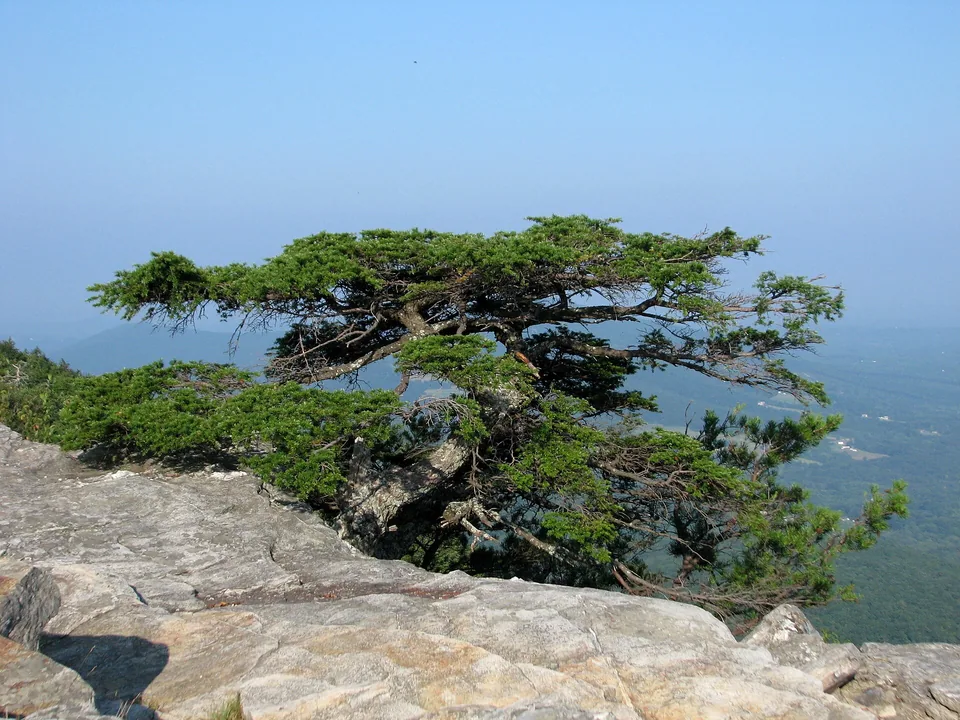
Carolina hemlock is a native needled evergreen tree that grows 30 to 70 feet [9.1–21.3 m] tall and 20 to 25 feet [6.1–7.6 m] wide. [1] It prefers moist, well-drained soil and is not drought tolerant. [1] It is susceptible to hemlock woolly adelgid, which can be fatal. [1][2]
This record is incomplete: the sources we read do not cover every field yet.
Not yet covered by our sources: Pruning
Carolina Hemlock care
Measurements in square brackets are our conversion into the other unit system; the quoted text is unchanged.
How to water Carolina Hemlock
Watering
Water regularly, especially in dry conditions
What the sources say (1)
It is not drought tolerant and will need to be watered regularly, especially in dry conditions.Watering notes
Not drought tolerant; more sensitive to drought than other evergreens; consistently moist, well-drained soil
What the sources say (2)
will not thrive under hot, dry conditions; more tolerant of air pollution than T. canadensis; more sensitive to drought than other evergreensMoisture Tolerance:
Consistently moist, well-drained soil; Occasional periods of dry soilHow much light Carolina Hemlock needs
The sources give different values depending on region, zone or growing conditions.
What each source says
According to Cornell Woody Plants Database: Full sun, part shade, shade
According to NC State Extension: Partial to full shade
What the sources say (3)
According to Cornell Woody Plants Database: Light:
Full sun, Part shade, Shade
Hardy To Zone:According to NC State Extension: It can grow in partial to full shade with moist, well-drained soilLight:
Full sun, Part shade, Shade
Hardy To Zone:How much cold Carolina Hemlock can take
Hardiness, coldest zone
6a [winter low −23.3 to −20.6 °C (−10 to −5 °F)]
What the sources say (1)
USDA Plant Hardiness Zone:
6a, 6b, 7a, 7bHardiness, warmest zone
7b [winter low −15 to −12.2 °C (5 to 10 °F)]
What the sources say (1)
USDA Plant Hardiness Zone:
6a, 6b, 7a, 7bBest soil for Carolina Hemlock
Soil pH, minimum
5.0
What the sources say (1)
Soil Ph:
Can tolerate acid to neutral soil (pH 5.0 to 7.4)Soil pH, maximum
7.4
What the sources say (1)
Soil Ph:
Can tolerate acid to neutral soil (pH 5.0 to 7.4)How to propagate Carolina Hemlock
Seed
What the sources say (1)
It needs protection from wind and hot weather to prevent foliage scorching. Propagate by seed.How to grow Carolina Hemlock
The plant
Life cycle
perennial
What the sources say (1)
Carolina hemlock is a native, perennial, needled evergreen tree in the pine family (Pinaceae) that grows 30 to 70 feet tall and 20 to 25 feet wideFamily
Pinaceae
What the sources say (1)
Carolina hemlock is a native, perennial, needled evergreen tree in the pine family (Pinaceae) that grows 30 to 70 feet tall and 20 to 25 feet wideMature height
Mature width
609.6-762 cm (20-25 ft)
What the sources say (2)
Carolina hemlock is a native, perennial, needled evergreen tree in the pine family (Pinaceae) that grows 30 to 70 feet tall and 20 to 25 feet wideHeight:
45' - 60' (20' - 25' spread)Pests and diseases
Pests
hemlock woolly adelgid, ambrosia beetle, bagworms, borers, leaf miner, sawfly, mites
What the sources say (1)
it is susceptible to hemlock woolly adelgid and is becoming rare in western NC. Other insect problems include ambrosia beetle, bagworms, borers, leaf miner, sawfly and mites.Diseases
needle blight, canker, rusts, rots
What the sources say (1)
Potential disease problems for plants in the genus Tsuga include needle blight, canker, rusts and rots.Carolina Hemlock pests and problems
Hemlock woolly adelgid
Symptom: Susceptible to hemlock woolly adelgid; infestations can be fatal
Remedies
Each remedy shows what official sources say about it; traditional remedies without an official source are marked as such. Harmful ones are listed so you know to avoid them.
Treating the plant
hemlock woolly adelgid
insecticidal soap spray Works
In some cases, there will be precautions against spraying when temperatures are above or below certain limits, on windy days
— entomology.mgcafe.uky.edu [3] How: Spray foliage at the proper times during the HWA life cycle; contact insecticide that must thoroughly cover the insects, sprayed almost to runoff.
Homeowners and private landowners have two treatment options: 1) spray foliage with insecticidal soap or horticultural oil at the proper times during the HWA life cycle
— entomology.mgcafe.uky.edu [3] What the evidence says Adelgids without the covering are very susceptible to contact with insecticidal soap or horticultural oil.
— entomology.mgcafe.uky.edu [3] horticultural oil spray Works
In some cases, there will be precautions against spraying when temperatures are above or below certain limits, on windy days
— entomology.mgcafe.uky.edu [3] How: Spray foliage at the proper times during the HWA life cycle; contact insecticide that must thoroughly cover the insects, sprayed almost to runoff.
Homeowners and private landowners have two treatment options: 1) spray foliage with insecticidal soap or horticultural oil at the proper times during the HWA life cycle
— entomology.mgcafe.uky.edu [3] What the evidence says Adelgids without the covering are very susceptible to contact with insecticidal soap or horticultural oil.
— entomology.mgcafe.uky.edu [3]
hemlock rust mites
insecticidal soap spray Partly works
How: Thorough coverage with ultrafine horticultural oil or insecticidal soap.
Thorough coverage with ultrafine horticultural oil or insecticidal soap, which are among the compounds registered for control of this pest in Connecticut, will reduce the population.
— portal.ct.gov [4] What the evidence says Thorough coverage with ultrafine horticultural oil or insecticidal soap, which are among the compounds registered for control of this pest in Connecticut, will reduce the population.
— portal.ct.gov [4] horticultural oil spray Partly works
How: Thorough coverage with ultrafine horticultural oil or insecticidal soap.
Thorough coverage with ultrafine horticultural oil or insecticidal soap, which are among the compounds registered for control of this pest in Connecticut, will reduce the population.
— portal.ct.gov [4] What the evidence says Thorough coverage with ultrafine horticultural oil or insecticidal soap, which are among the compounds registered for control of this pest in Connecticut, will reduce the population.
— portal.ct.gov [4]
hemlock scale
dormant horticultural oil spray Works
How: Dormant horticultural oil spray in the spring, or ultrafine horticultural oil applied during the growing season.
both can be controlled in ornamental plantings with a dormant horticultural oil spray in the spring or ultrafine horticultural oil applied during the growing season.
— portal.ct.gov [4] What the evidence says both can be controlled in ornamental plantings with a dormant horticultural oil spray in the spring or ultrafine horticultural oil applied during the growing season.
— portal.ct.gov [4]
phomopsis twig blight
pruning infected twigs Official source, not independently tested
How: Pruning and removal of infected twigs removes the source of future trouble.
Pruning and removal of infected twigs removes the source of future trouble.
— portal.ct.gov [4]
Is Carolina Hemlock poisonous?
Reported by the source, quoted verbatim. This is not medical or veterinary advice: if a person or an animal may have eaten this plant, contact a poison control centre or a veterinarian.
#non-toxic for cats #non-toxic for horses #non-toxic for dogs
[1]The source flags the risk for this animal but does not explain why.
Calendar
Planting
Spring or fall (balled and burlapped transplants)
What the sources say (1)
transplant B&B in spring or fall; slow to medium growth rate; can be pruned into hedgesPruning
Not stated in the sources we read.
Months as given by the sources, which are mostly from the United States (northern hemisphere). In the southern hemisphere they shift by about six months.
Edibility
Reported by the source, quoted verbatim. Do not eat a plant on the basis of this page alone: identification mistakes can be dangerous.
Indicative values
Values from a secondary source, not checked word for word like the rest of this page. Use them as a starting point.
- Hours of sun
- 4-6 hoursIndicative value, adapt it to your climate · Secondary source
- Drought tolerant
- yesIndicative value, adapt it to your climate · Secondary source
- Care level
- MediumIndicative value, adapt it to your climate · Secondary source
- Growth rate
- LowIndicative value, adapt it to your climate · Secondary source
- Pruning
- February, March, AprilIndicative value, adapt it to your climate · Secondary source
Similar plants
- Eastern Hemlock Tsuga canadensis
- Mountain Hemlock Tsuga mertensiana
- Southern Japanese Hemlock Tsuga sieboldii
- Western Hemlock Tsuga heterophylla
- Abies grandis Abies grandis
- Aleppo Pine Pinus halepensis
- Alpine Fir Abies lasiocarpa
- Armand Pine Pinus armandi
Sources
Every value above is quoted from these documents. Links lead to the original publisher.
- Tsuga caroliniana (Carolina Hemlock) | North Carolina Extension Gardener Plant Toolbox · plants.ces.ncsu.edu, consulted
- Woody Plants Database · woodyplants.cals.cornell.edu, consulted
- entomology.mgcafe.uky.edu · entomology.mgcafe.uky.edu
- portal.ct.gov · portal.ct.gov
Written by Emilio Marruso · last checked