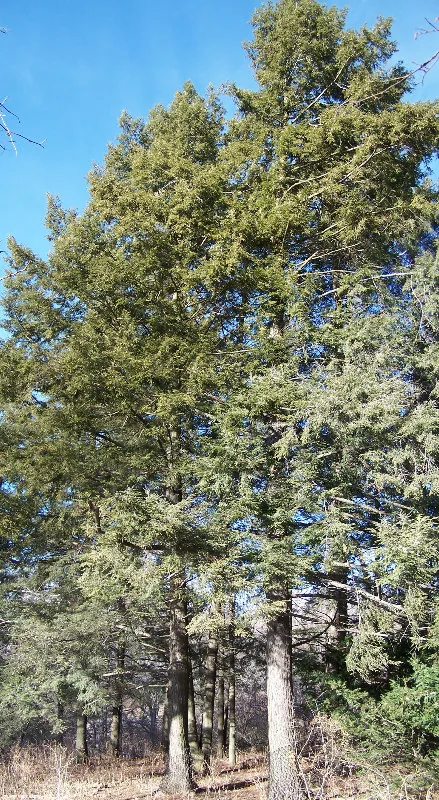
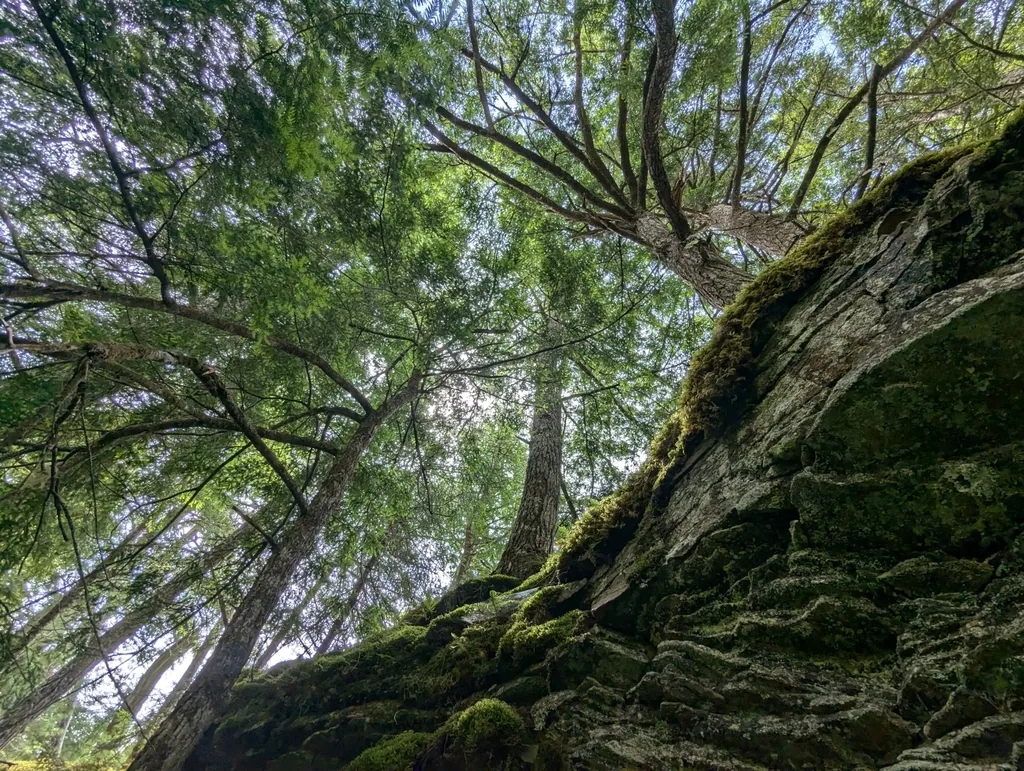

How to Grow and Care for Eastern Hemlock
Tsuga canadensis
Written by Emilio Marruso · last checked
Not toxic to cats and dogs, according to the sources · Sources
At a glance
Eastern hemlock is a stately tree that grows 40–70 ft tall and happily takes anything from full sun to full shade. Give it moist soil and never let it dry out; in full sun it needs a steady supply of water and good drainage. It is safe for cats, dogs and horses, and its leaves have even been used for tea.
- Sun
Anything from full sun to full shade
What the sources say (2)
Light: Full sun to full shade
Light: Full sun to full shade Moisture: Moist to average (avoid drought) Soil type: Well-drained with ample organic matter
— Canadian Hemlock, Tsuga canadensis | VCE Publications | Virginia Tech [5] Culture: | Full sun to shade; best in moist, well drained soils; prefers slightly acid soil.
— Selecting Trees for Your Home - Canada Hemlock (Tsuga canadensis) [2] - Water
Keep the soil moist and avoid drought; in full sun it needs steady water and good drainage
What the sources say (3)
Watering: Moist to average; avoid drought
Light: Full sun to full shade Moisture: Moist to average (avoid drought) Soil type: Well-drained with ample organic matter
— Canadian Hemlock, Tsuga canadensis | VCE Publications | Virginia Tech [5] It grows best in areas with cooler summers and doesn't tolerate drought.
— Tsuga canadensis (Canada hemlock, Canadian Hemlock, Eastern Hemlock, Hemlock Spruce, Spruce Pine) | North Carolina Extension Gardener Plant Toolbox [1] Watering notes: When grown in full sun, requires a consistent supply of moisture as well as good drainage
When grown in full sun, this tree requires a consistent supply of moisture as well as good drainage; intolerant of winds and drought.
— Selecting Trees for Your Home - Canada Hemlock (Tsuga canadensis) [2] - Cold
Survives winters down to −40 °F (−40 °C)
Very hardy · USDA 3a · RHS H7 · Z3
What the sources say (2)
Hardiness, coldest zone: 3a [winter low −40 to −37.2 °C (−40 to −35 °F)]
USDA Plant Hardiness Zone: 3a, 3b, 4a, 4b, 5a, 5b, 6a, 6b, 7a, 7b
— Tsuga canadensis (Canada hemlock, Canadian Hemlock, Eastern Hemlock, Hemlock Spruce, Spruce Pine) | North Carolina Extension Gardener Plant Toolbox [1] Hardiness, warmest zone: 7b [winter low −15 to −12.2 °C (5 to 10 °F)]
USDA Plant Hardiness Zone: 3a, 3b, 4a, 4b, 5a, 5b, 6a, 6b, 7a, 7b
— Tsuga canadensis (Canada hemlock, Canadian Hemlock, Eastern Hemlock, Hemlock Spruce, Spruce Pine) | North Carolina Extension Gardener Plant Toolbox [1] - Feeding
Keep fertilizer off the leaves and spread it evenly; too much nitrogen burns young roots
What the sources say (3)
Avoid: Fertilizer on the foliage, which can burn it; uneven spreading of nitrogen
Sidedress Feb-March and late June with no more than 50 pounds of actual nitrogen per acre. Avoid getting fertilizer on the foliage, for fear of burn.
— [6] Caution: Strive for a good even spread. Too much nitrogen can burn young, tender hemlock roots.
— [6] Signs of excess: Burned young, tender roots from too much nitrogen
Caution: Strive for a good even spread. Too much nitrogen can burn young, tender hemlock roots.
— [6] - Harvest
The leaves, rich in vitamin C, have been used for tea
- Pests
Woolly adelgid, scale, borers, spider mites and bagworms; needle blight, cankers and rusts
What the sources say (2)
Pests: hemlock woolly adelgid, elongate hemlock scale, hemlock borer, fir flat-headed borer, hemlock looper, hemlock rust mite, hemlock sawfly, bagworms, spider mites, gypsy moths, spruce budworm, spruce leaf miner, grape scale
Hemlock wooly adelgid is a major pest. Other insect problems include elongate hemlock scale, hemlock borer, fir flat-headed borer, hemlock looper, hemlock rust mite, hemlock sawfly, bagworms, spider mites, gypsy moths, spruce budworm, spruce leaf miner, and grape scale.
— Tsuga canadensis (Canada hemlock, Canadian Hemlock, Eastern Hemlock, Hemlock Spruce, Spruce Pine) | North Carolina Extension Gardener Plant Toolbox [1] Diseases: needle blight, cankers, blister rust, needle rust, sapwood rot
Disease problems include leaf (needle) blight, cankers, blister and needle rusts, and sapwood rot.
— Tsuga canadensis (Canada hemlock, Canadian Hemlock, Eastern Hemlock, Hemlock Spruce, Spruce Pine) | North Carolina Extension Gardener Plant Toolbox [1] - Watch out
The woolly adelgid can kill a tree in 4–10 years; it also suffers sun scorch in hot weather
- Size
40–70 ft tall and 25–35 ft wide
What the sources say (2)
Mature height: 1219-2134 cm (40-70 ft)
Individual trees can reach heights of 40 to 70 feet and widths of 25 to 35 feet, so dwarf cultivars are best for home landscapes.
— Tsuga canadensis (Canada hemlock, Canadian Hemlock, Eastern Hemlock, Hemlock Spruce, Spruce Pine) | North Carolina Extension Gardener Plant Toolbox [1] Mature width: 762-1067 cm (25-35 ft)
Individual trees can reach heights of 40 to 70 feet and widths of 25 to 35 feet, so dwarf cultivars are best for home landscapes.
— Tsuga canadensis (Canada hemlock, Canadian Hemlock, Eastern Hemlock, Hemlock Spruce, Spruce Pine) | North Carolina Extension Gardener Plant Toolbox [1] - Propagation
From seeds of cones just starting to open, kept moist and cold for 100 days before sowing
What the sources say (2)
Propagation: Seeds gathered from cones just beginning to open, with moist chilling for 100 days before planting
Propagate from seeds gathered from cones just beginning to open; provide moist chilling for 100 days before planting.
— Tsuga canadensis (Canada hemlock, Canadian Hemlock, Eastern Hemlock, Hemlock Spruce, Spruce Pine) | North Carolina Extension Gardener Plant Toolbox [1] Saving seeds: Gather seeds from cones just beginning to open; provide moist chilling for 100 days before planting.
Propagate from seeds gathered from cones just beginning to open; provide moist chilling for 100 days before planting.
— Tsuga canadensis (Canada hemlock, Canadian Hemlock, Eastern Hemlock, Hemlock Spruce, Spruce Pine) | North Carolina Extension Gardener Plant Toolbox [1] - Safety
Not toxic to cats, dogs or horses
Overview
Eastern hemlock is a needled evergreen conifer in the pine family, native to eastern and central Canada and the United States. [1] It needs moist but well-drained soil and does not tolerate drought. [1] The hemlock woolly adelgid is its major pest. [1]
This record is incomplete: the sources we read do not cover every field yet.
Not yet covered by our sources: Pruning
Eastern Hemlock care
How to water Eastern Hemlock
Watering
Moist to average; avoid drought
What the sources say (2)
Light: Full sun to full shade
Moisture: Moist to average (avoid drought)
Soil type: Well-drained with ample organic matterIt grows best in areas with cooler summers and doesn't tolerate drought.Watering notes
When grown in full sun, requires a consistent supply of moisture as well as good drainage
What the sources say (1)
When grown in full sun, this tree requires a consistent supply of moisture as well as good drainage; intolerant of winds and drought.How much light Eastern Hemlock needs
Full sun to full shade
What the sources say (2)
Light: Full sun to full shade
Moisture: Moist to average (avoid drought)
Soil type: Well-drained with ample organic matterCulture:
| Full sun to shade; best in moist, well drained soils; prefers slightly acid soil.How much cold Eastern Hemlock can take
Hardiness, coldest zone
3a [winter low −40 to −37.2 °C (−40 to −35 °F)]
What the sources say (1)
USDA Plant Hardiness Zone:
3a, 3b, 4a, 4b, 5a, 5b, 6a, 6b, 7a, 7bHardiness, warmest zone
7b [winter low −15 to −12.2 °C (5 to 10 °F)]
What the sources say (1)
USDA Plant Hardiness Zone:
3a, 3b, 4a, 4b, 5a, 5b, 6a, 6b, 7a, 7bBest soil for Eastern Hemlock
The sources give different values depending on region, zone or growing conditions.
What each source says
According to NC State Extension: Acid (<6.0)
According to Virginia Cooperative Extension: Acid to alkaline
What the sources say (2)
According to NC State Extension: Soil Texture:
Clay
Loam (Silt)
Sand
Soil pH:
Acid (<6.0)According to Virginia Cooperative Extension: Soil type: Well-drained with ample organic matter
pH range: Acid to alkalineHow to propagate Eastern Hemlock
Seeds gathered from cones just beginning to open, with moist chilling for 100 days before planting
What the sources say (1)
Propagate from seeds gathered from cones just beginning to open; provide moist chilling for 100 days before planting.How to grow Eastern Hemlock
The plant
Family
Pinaceae
What the sources say (1)
Eastern hemlock is a woody, needled evergreen tree in the Pinaceae (pine) family.Mature height
1219-2134 cm (40-70 ft)
What the sources say (1)
Individual trees can reach heights of 40 to 70 feet and widths of 25 to 35 feet, so dwarf cultivars are best for home landscapes.Mature width
762-1067 cm (25-35 ft)
What the sources say (1)
Individual trees can reach heights of 40 to 70 feet and widths of 25 to 35 feet, so dwarf cultivars are best for home landscapes.Harvest and storage
Saving seeds
Gather seeds from cones just beginning to open; provide moist chilling for 100 days before planting.
What the sources say (1)
Propagate from seeds gathered from cones just beginning to open; provide moist chilling for 100 days before planting.Pests and diseases
Pests
hemlock woolly adelgid, elongate hemlock scale, hemlock borer, fir flat-headed borer, hemlock looper, hemlock rust mite, hemlock sawfly, bagworms, spider mites, gypsy moths, spruce budworm, spruce leaf miner, grape scale
What the sources say (1)
Hemlock wooly adelgid is a major pest. Other insect problems include elongate hemlock scale, hemlock borer, fir flat-headed borer, hemlock looper, hemlock rust mite, hemlock sawfly, bagworms, spider mites, gypsy moths, spruce budworm, spruce leaf miner, and grape scale.Diseases
needle blight, cankers, blister rust, needle rust, sapwood rot
What the sources say (1)
Disease problems include leaf (needle) blight, cankers, blister and needle rusts, and sapwood rot.Fertilizing
When
The sources give different values depending on region, zone or growing conditions.
What each source says
nursery field production: Lime, phosphate and potash before planting
nursery field production: Nitrogen sidedressed in February–March and late June
What the sources say (2)
nursery field production: A medium to high level of phosphorus and potassium is desirable. Soil test early enough so that any lime, phosphate or potash can be broadcast prior to planting.nursery field production: Sidedress Feb-March and late June with no more than 50 pounds of actual nitrogen per acre.How often
The sources give different values depending on region, zone or growing conditions.
What each source says
nursery field production: Twice a year
What the sources say (1)
nursery field production: Sidedress Feb-March and late June with no more than 50 pounds of actual nitrogen per acre.Natural fertilizers
The sources give different values depending on region, zone or growing conditions.
What each source says
nursery field production, before planting: Chicken litter worked into the soil; half its nutrients are released in the first season
nursery field production, newly cleared ground: Up to 8.97 to 11.2 t/ha of chicken litter before planting, with no other fertilizer the first year
What the sources say (2)
nursery field production, before planting: Consider spreading and incorporating chicken litter prior to planting if available. Each ton may supply 30-30-30 in actual nutrients; releasing half of the nutrients during the first growing season applied.nursery field production, newly cleared ground: New ground (timber just cleared) can take up to 4 or 5 tons per acre, spread and plowed in prior to planting. No additional fertilizer would be required the first year.Mineral fertilizers
The sources give different values depending on region, zone or growing conditions.
What each source says
nursery field production: Phosphorus and potassium to a medium to high level, broadcast before planting
nursery field production: No more than 56 kg [123.5 lb]/ha of nitrogen per sidedressing
nursery field production, per plant: 7.09 g of nitrogen for 1-year plants, 14.2 g at 2 to 3 years, 28.3 g from 4 years
What the sources say (3)
nursery field production: A medium to high level of phosphorus and potassium is desirable. Soil test early enough so that any lime, phosphate or potash can be broadcast prior to planting.nursery field production: Sidedress Feb-March and late June with no more than 50 pounds of actual nitrogen per acre.nursery field production, per plant: They recommend 1/4 ounce of actual nitrogen per 1 year old plant; ½ ounce per 2-3 year old hemlock; and 1 ounce nitrogen per plant for plants 4 years and older, regardless of the analysis.Micronutrients
The sources give different values depending on region, zone or growing conditions.
What each source says
nursery field production: Calcium and magnesium checked by soil test; dolomitic lime when lime is needed
What the sources say (1)
nursery field production: Request calcium and magnesium in addition to the basic test of phosphorus, potassium and pH. Apply Dolomitic lime if lime is recommended.Avoid
Fertilizer on the foliage, which can burn it; uneven spreading of nitrogen
What the sources say (2)
Sidedress Feb-March and late June with no more than 50 pounds of actual nitrogen per acre. Avoid getting fertilizer on the foliage, for fear of burn.Caution: Strive for a good even spread. Too much nitrogen can burn young, tender hemlock roots.Signs of excess
Burned young, tender roots from too much nitrogen
What the sources say (1)
Caution: Strive for a good even spread. Too much nitrogen can burn young, tender hemlock roots.Eastern Hemlock pests and problems
Hemlock woolly adelgid
Symptom: Exotic insect pest that can kill a tree within 4 to 10 years or weaken it so that it becomes vulnerable to other insects and diseases.
What to do: Spray with a horticultural oil at prescribed times, or inject the soil or tree with a systemic insecticide.
What the sources say (2)
This pest can kill a tree within 4 to 10 years; it can also weaken a tree to the point that it becomes vulnerable to other insects and diseases.
— Canadian Hemlock, Tsuga canadensis | VCE Publications | Virginia Tech [5] There are two control strategies for landscape Canadian hemlocks: 1) spray with a horticultural oil (at prescribed times).
— Canadian Hemlock, Tsuga canadensis | VCE Publications | Virginia Tech [5] Sun scorch and drought sensitivity
Symptom: Environmental problems include sun scorch in hot weather and sensitivity to drought.
What to do: Not stated in the sources.
What the sources say (1)
Environmental problems include sun scorch in hot weather and sensitivity to drought.
— Tsuga canadensis (Canada hemlock, Canadian Hemlock, Eastern Hemlock, Hemlock Spruce, Spruce Pine) | North Carolina Extension Gardener Plant Toolbox [1] Needle blight, cankers, rusts and sapwood rot
Symptom: Disease problems include leaf (needle) blight, cankers, blister and needle rusts, and sapwood rot.
What to do: Not stated in the sources.
What the sources say (1)
Disease problems include leaf (needle) blight, cankers, blister and needle rusts, and sapwood rot.
— Tsuga canadensis (Canada hemlock, Canadian Hemlock, Eastern Hemlock, Hemlock Spruce, Spruce Pine) | North Carolina Extension Gardener Plant Toolbox [1]
Remedies
Each remedy shows what official sources say about it; traditional remedies without an official source are marked as such. Harmful ones are listed so you know to avoid them.
Treating the plant
hemlock-woolly-adelgid
horticultural oil spray Works
How: Spray with a horticultural oil at prescribed times; it is the least expensive control strategy.
There are two control strategies for landscape Canadian hemlocks: 1) spray with a horticultural oil (at prescribed times). This is the least expensive and quite effective.
— Canadian Hemlock, Tsuga canadensis | VCE Publications | Virginia Tech [5] What the evidence says There are two control strategies for landscape Canadian hemlocks: 1) spray with a horticultural oil (at prescribed times). This is the least expensive and quite effective.
— Canadian Hemlock, Tsuga canadensis | VCE Publications | Virginia Tech [5]
Is Eastern Hemlock poisonous?
Reported by the source, quoted verbatim. This is not medical or veterinary advice: if a person or an animal may have eaten this plant, contact a poison control centre or a veterinarian.
#non-toxic for cats #non-toxic for horses #non-toxic for dogs
[1]The source flags the risk for this animal but does not explain why.
Calendar
Pruning
Not stated in the sources we read.
Months as given by the sources, which are mostly from the United States (northern hemisphere). In the southern hemisphere they shift by about six months.
Edibility
Reported by the source, quoted verbatim. Do not eat a plant on the basis of this page alone: identification mistakes can be dangerous.
Indicative values
Values from a secondary source, not checked word for word like the rest of this page. Use them as a starting point.
- Life cycle
- PerennialIndicative value, adapt it to your climate · Secondary source
- Soil
- Sandy Loamy ClayIndicative value, adapt it to your climate · Secondary source
- Care level
- MediumIndicative value, adapt it to your climate · Secondary source
- Growth rate
- ModerateIndicative value, adapt it to your climate · Secondary source
- Pruning
- March, April, MayIndicative value, adapt it to your climate · Secondary source
Similar plants
- Mountain Hemlock Tsuga mertensiana
- Southern Japanese Hemlock Tsuga sieboldii
- Western Hemlock Tsuga heterophylla
- Carolina Hemlock Tsuga caroliniana
- Abies grandis Abies grandis
- Aleppo Pine Pinus halepensis
- Alpine Fir Abies lasiocarpa
- Armand Pine Pinus armandi
Sources
Every value above is quoted from these documents. Links lead to the original publisher.
- Tsuga canadensis (Canada hemlock, Canadian Hemlock, Eastern Hemlock, Hemlock Spruce, Spruce Pine) | North Carolina Extension Gardener Plant Toolbox · plants.ces.ncsu.edu, consulted
- Selecting Trees for Your Home - Canada Hemlock (Tsuga canadensis) · web.extension.illinois.edu, consulted
- Native Trees of Maryland: Eastern Hemlock, Tsuga canadensis | University of Maryland Extension · extension.umd.edu, consulted
- Eastern Hemlock - Tsuga canadensis | North Carolina Extension Gardener Plant Toolbox · plants.ces.ncsu.edu, consulted
- Canadian Hemlock, Tsuga canadensis | VCE Publications | Virginia Tech · pubs.ext.vt.edu, consulted
- plantsciences.tennessee.edu · plantsciences.tennessee.edu
Written by Emilio Marruso · last checked