

How to Grow and Care for Creeping Blueberry
Vaccinium crassifolium
Written by Emilio Marruso · last checked
At a glance
This low, spreading perennial stays just 10 to 20 inches tall but grows 2–3 ft wide, and in June and July it gives you berries to eat raw or cooked. It tolerates drought, grows in full sun or light shade, and even grows in a container. Give it full sun for the best fruit and well-drained, acidic soil.
- Sun
Full sun to light shade; it fruits best in full sun
What the sources say (1)
Light: Full sun to light shade; fruits best in full sun
It will grow in both sunny or lightly shaded locations; however, it will fruit best in full sun.
— Vaccinium crassifolium (Creeping Blueberry, Thick-leaved Whortlberry) | North Carolina Extension Gardener Plant Toolbox [1] - Water
Tolerates drought; soil can be moist or dry at times, but must drain well
What the sources say (2)
Watering: Drought tolerant
#drought tolerant #specialized bees #native bees #evergreen #nectar
— Vaccinium crassifolium (Creeping Blueberry, Thick-leaved Whortlberry) | North Carolina Extension Gardener Plant Toolbox [1] Watering notes: Good drainage; moist to occasionally dry soil
Soil Drainage: Good Drainage Moist Occasionally Dry
— Vaccinium crassifolium (Creeping Blueberry, Thick-leaved Whortlberry) | North Carolina Extension Gardener Plant Toolbox [1] - Cold
Survives winters down to −10 °F (−23.3 °C)
Very hardy · USDA 6a · RHS H7 · Z6
What the sources say (2)
Hardiness, coldest zone: 6a [winter low −23.3 to −20.6 °C (−10 to −5 °F)]
USDA Plant Hardiness Zone: 6a, 6b, 7a, 7b, 8a, 8b, 9a, 9b
— Vaccinium crassifolium (Creeping Blueberry, Thick-leaved Whortlberry) | North Carolina Extension Gardener Plant Toolbox [1] Hardiness, warmest zone: 9b [winter low −3.9 to −1.1 °C (25 to 30 °F)]
USDA Plant Hardiness Zone: 6a, 6b, 7a, 7b, 8a, 8b, 9a, 9b
— Vaccinium crassifolium (Creeping Blueberry, Thick-leaved Whortlberry) | North Carolina Extension Gardener Plant Toolbox [1] - Soil
Acidic, well-drained soil, pH 6.0 or lower
What the sources say (2)
Soil pH, maximum: 6.0
Soil pH: Acid (<6.0)
— Vaccinium crassifolium (Creeping Blueberry, Thick-leaved Whortlberry) | North Carolina Extension Gardener Plant Toolbox [1] Watering notes: Good drainage; moist to occasionally dry soil
Soil Drainage: Good Drainage Moist Occasionally Dry
— Vaccinium crassifolium (Creeping Blueberry, Thick-leaved Whortlberry) | North Carolina Extension Gardener Plant Toolbox [1] - Harvest
Pick the berries in June and July; eat them raw or cooked
What the sources say (2)
Harvest: Summer (June to July)
Small purple-black round fruits that appear from June to July.
— Vaccinium crassifolium (Creeping Blueberry, Thick-leaved Whortlberry) | North Carolina Extension Gardener Plant Toolbox [1] Fruit in the form of berries form in the summer
— Vaccinium crassifolium (Creeping Blueberry, Thick-leaved Whortlberry) | North Carolina Extension Gardener Plant Toolbox [1] - Pests
No pests or diseases noted
- Size
10 to 20 inches tall and 2–3 ft wide
What the sources say (2)
Mature height: 25.4-50.8 cm (10 in-1 ft 8 in)
Dimensions: Height: 0 ft. 10 in. - 1 ft. 8 in. Width: 2 ft. 0 in. - 3 ft. 0 in.
— Vaccinium crassifolium (Creeping Blueberry, Thick-leaved Whortlberry) | North Carolina Extension Gardener Plant Toolbox [1] Mature width: 60.96-91.44 cm (2-3 ft)
Dimensions: Height: 0 ft. 10 in. - 1 ft. 8 in. Width: 2 ft. 0 in. - 3 ft. 0 in.
— Vaccinium crassifolium (Creeping Blueberry, Thick-leaved Whortlberry) | North Carolina Extension Gardener Plant Toolbox [1] - Propagation
By division, layering, seed or stem cuttings
What the sources say (1)
Propagation: Division, layering, seed, stem cutting
Recommended Propagation Strategy: Division Layering Seed Stem Cutting
— Vaccinium crassifolium (Creeping Blueberry, Thick-leaved Whortlberry) | North Carolina Extension Gardener Plant Toolbox [1] - Containers
Grows in containers too
What the sources say (1)
In containers: Yes
This plant does not like its roots disturbed, so growing as a container plant is an option prior to placing in its permanent location.
— Vaccinium crassifolium (Creeping Blueberry, Thick-leaved Whortlberry) | North Carolina Extension Gardener Plant Toolbox [1]
Overview
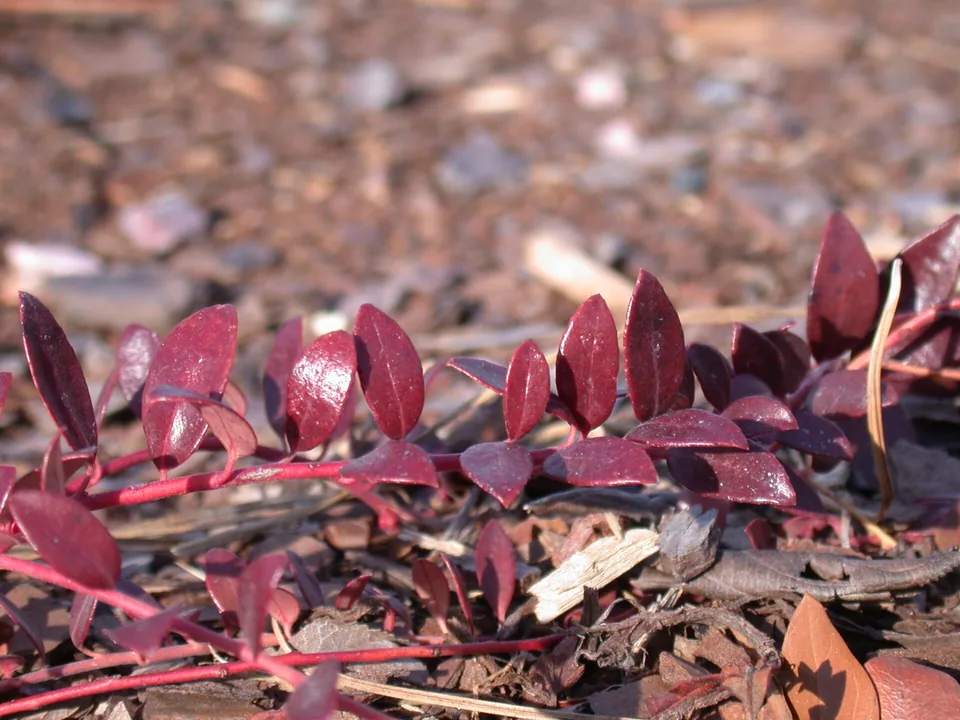
Creeping Blueberry is an evergreen shrub that can form a dense mat as a groundcover. [1] It prefers acidic, well-drained soil and grows in sun or light shade. [1] Its berries are edible raw or cooked. [1]
This record is incomplete: the sources we read do not cover every field yet.
Not yet covered by our sources: Pruning
Creeping Blueberry care
How to water Creeping Blueberry
Watering
Drought tolerant
What the sources say (1)
#drought tolerant #specialized bees #native bees #evergreen #nectarWatering notes
Good drainage; moist to occasionally dry soil
What the sources say (1)
Soil Drainage:
Good Drainage
Moist
Occasionally DryHow much light Creeping Blueberry needs
Full sun to light shade; fruits best in full sun
What the sources say (1)
It will grow in both sunny or lightly shaded locations; however, it will fruit best in full sun.How much cold Creeping Blueberry can take
Hardiness, coldest zone
6a [winter low −23.3 to −20.6 °C (−10 to −5 °F)]
What the sources say (1)
USDA Plant Hardiness Zone:
6a, 6b, 7a, 7b, 8a, 8b, 9a, 9bHardiness, warmest zone
9b [winter low −3.9 to −1.1 °C (25 to 30 °F)]
What the sources say (1)
USDA Plant Hardiness Zone:
6a, 6b, 7a, 7b, 8a, 8b, 9a, 9bBest soil for Creeping Blueberry
6.0
What the sources say (1)
Soil pH:
Acid (<6.0)Where to grow Creeping Blueberry
Yes
What the sources say (1)
This plant does not like its roots disturbed, so growing as a container plant is an option prior to placing in its permanent location.How to propagate Creeping Blueberry
Division, layering, seed, stem cutting
What the sources say (1)
Recommended Propagation Strategy:
Division
Layering
Seed
Stem CuttingHow to grow Creeping Blueberry
The plant
Life cycle
perennial
What the sources say (1)
Life Cycle:
Perennial
Woody
Recommended Propagation Strategy:
Division
Layering
Seed
Stem CuttingFamily
Ericaceae
What the sources say (1)
Creeping Blueberry is an evergreen shrub in the Ericaceae family native to only 4 states in the southeastern US.Mature height
25.4-50.8 cm (10 in-1 ft 8 in)
What the sources say (1)
Dimensions:
Height: 0 ft. 10 in. - 1 ft. 8 in.
Width: 2 ft. 0 in. - 3 ft. 0 in.Mature width
60.96-91.44 cm (2-3 ft)
What the sources say (1)
Dimensions:
Height: 0 ft. 10 in. - 1 ft. 8 in.
Width: 2 ft. 0 in. - 3 ft. 0 in.Creeping Blueberry pests and problems
Pests and diseases
Symptom: None noted
What to do: Not applicable
What the sources say (1)
Insects, Diseases, and Other Plant Problems: None noted.
— Vaccinium crassifolium (Creeping Blueberry, Thick-leaved Whortlberry) | North Carolina Extension Gardener Plant Toolbox [1]
Remedies
Each remedy shows what official sources say about it; traditional remedies without an official source are marked as such. Harmful ones are listed so you know to avoid them.
Treating the plant
botrytis blight
pruning dead twigs and branches Works
How: Prune and remove any dead twigs or branches during the dormant season.
Control of Botrytis blight can be achieved by pruning and removing any dead twigs or branches during the dormant season.
— portal.ct.gov [7] What the evidence says Control of Botrytis blight can be achieved by pruning and removing any dead twigs or branches during the dormant season.
— portal.ct.gov [7]
mummy berry
removing mummified berries Official source, not independently tested
How: Rake and remove mummified berries from the vicinity of the planting, or cover fallen mummies with about 2 inches of soil or mulch, before budbreak.
If possible, rake and remove mummified berries from the vicinity of the planting. Alternative measures include covering fallen mummies with approximately 2 inches of soil or mulch
— portal.ct.gov [7]
phomopsis twig blight
pruning blighted wood Official source, not independently tested
How: Prune and remove blighted or discolored wood from the planting during the dormant season or whenever newly infected tips appear.
all blighted or discolored wood should be pruned and removed from the vicinity of the planting during the dormant season or whenever newly infected tips appear.
— portal.ct.gov [7]
putnam scale
pruning heavily infested old wood Official source, not independently tested
How: Prune to remove old, heavily infested wood.
Pruning to remove old, heavily infested wood helps keep damage to a minimum.
— portal.ct.gov [7]
birds eating fruit
plastic netting Official source, not independently tested
How: Cover the shrubs either individually or in groups with plastic netting.
The most serious pests are birds that devour fruits. To protect the shrubs, cover them either individually or in groups with plastic netting.
— Vaccinium (Bilberries, Blueberries, Blueberry, Cranberries, Huckleberries) | North Carolina Extension Gardener Plant Toolbox [3]
Calendar
Summer (June to July)
What the sources say (2)
Small purple-black round fruits that appear from June to July.Fruit in the form of berries form in the summerNot stated in the sources we read.
Months as given by the sources, which are mostly from the United States (northern hemisphere). In the southern hemisphere they shift by about six months.
Edibility
Reported by the source, quoted verbatim. Do not eat a plant on the basis of this page alone: identification mistakes can be dangerous.
Fruit in the form of berries form in the summer and are edible both raw and cooked.
[1]
Similar plants
- Bilberry Vaccinium myrtillus
- Black Highbush Blueberry Vaccinium fuscatum
- Cranberry Vaccinium macrocarpon
- Deerberry Vaccinium stamineum
- Elliott's Blueberry Vaccinium elliottii
- Highbush blueberry Vaccinium corymbosum
- Highbush Blueberry Vaccinium formosum
- Japanese Blueberries Vaccinium oldhamii
Sources
Every value above is quoted from these documents. Links lead to the original publisher.
- Vaccinium crassifolium (Creeping Blueberry, Thick-leaved Whortlberry) | North Carolina Extension Gardener Plant Toolbox · plants.ces.ncsu.edu, consulted
- Thick-leaved Whortlberry - Vaccinium crassifolium | North Carolina Extension Gardener Plant Toolbox · plants.ces.ncsu.edu, consulted
- Vaccinium (Bilberries, Blueberries, Blueberry, Cranberries, Huckleberries) | North Carolina Extension Gardener Plant Toolbox · plants.ces.ncsu.edu, consulted
- Cranberries - Vaccinium | North Carolina Extension Gardener Plant Toolbox · plants.ces.ncsu.edu, consulted
- Bilberries - Vaccinium | North Carolina Extension Gardener Plant Toolbox · plants.ces.ncsu.edu, consulted
- Huckleberries - Vaccinium | North Carolina Extension Gardener Plant Toolbox · plants.ces.ncsu.edu, consulted
- portal.ct.gov · portal.ct.gov
Written by Emilio Marruso · last checked