
How to Grow and Care for Japanese Blueberries
Vaccinium oldhamii
Written by Emilio Marruso · last checked
At a glance
This perennial gives you fruit you can eat raw or cooked, picked from summer to fall. Give it a moist spot with good drainage and acidic soil, ideally in full sun, and it can grow up to 12 feet tall. Plant it in late spring or early summer, or grow it in a container if space is short.
- Sun
Best in full sun, but also grows in dappled light or partial shade
What the sources say (2)
Light: Full sun to dappled sunlight or partial shade; best in full sun
It does best in full sun with soil that has an abundance of acid.
— Vaccinium oldhamii (Japanese Blueberries, Natsuhaze) | North Carolina Extension Gardener Plant Toolbox [1] Light: Dappled Sunlight (Shade through upper canopy all day) Full sun (6 or more hours of direct sunlight a day) Partial Shade (Direct sunlight only part of the day, 2-6 hours)
— Vaccinium oldhamii (Japanese Blueberries, Natsuhaze) | North Carolina Extension Gardener Plant Toolbox [1] - Water
Keep the soil moist, but make sure water drains well
What the sources say (1)
Watering: Moist site with good drainage
requires a moist site with good drainage
— Vaccinium oldhamii (Japanese Blueberries, Natsuhaze) | North Carolina Extension Gardener Plant Toolbox [1] - Cold
Survives winters down to −20 °F (−28.9 °C)
Very hardy · USDA 5a · RHS H7 · Z5
What the sources say (2)
Hardiness, coldest zone: 5a [winter low −28.9 to −26.1 °C (−20 to −15 °F)]
USDA Plant Hardiness Zone: 5a, 5b, 6a, 6b, 7a, 7b, 8a, 8b, 9a, 9b
— Vaccinium oldhamii (Japanese Blueberries, Natsuhaze) | North Carolina Extension Gardener Plant Toolbox [1] Hardiness, warmest zone: 9b [winter low −3.9 to −1.1 °C (25 to 30 °F)]
USDA Plant Hardiness Zone: 5a, 5b, 6a, 6b, 7a, 7b, 8a, 8b, 9a, 9b
— Vaccinium oldhamii (Japanese Blueberries, Natsuhaze) | North Carolina Extension Gardener Plant Toolbox [1] - Soil
Acidic soil, pH 6.0 or lower; in high-pH soil the leaves turn yellow
What the sources say (1)
Soil pH, maximum: 6.0
Soil pH: Acid (<6.0)
— Vaccinium oldhamii (Japanese Blueberries, Natsuhaze) | North Carolina Extension Gardener Plant Toolbox [1] - Planting
Plant in late spring or early summer
What the sources say (1)
Planting: Late spring or early summer
In late spring or early summer, they can then be planted outdoors in a permanent location protected from high winds.
— Vaccinium oldhamii (Japanese Blueberries, Natsuhaze) | North Carolina Extension Gardener Plant Toolbox [1] - Harvest
Pick the fruit from summer to fall; eat it raw or cooked
What the sources say (1)
Harvest: Summer to fall
Display/Harvest Time: Fall Summer
— Vaccinium oldhamii (Japanese Blueberries, Natsuhaze) | North Carolina Extension Gardener Plant Toolbox [1] - Size
Grows up to 12 ft tall
What the sources say (1)
Mature height: 365.76 cm (12 ft)
This multistemmed edible shrub can grow to a height of 12 feet and requires a moist site with good drainage
— Vaccinium oldhamii (Japanese Blueberries, Natsuhaze) | North Carolina Extension Gardener Plant Toolbox [1] - Propagation
Grow new plants from seed or stem cuttings
What the sources say (1)
Propagation: Seed, stem cutting
Recommended Propagation Strategy: Seed Stem Cutting
— Vaccinium oldhamii (Japanese Blueberries, Natsuhaze) | North Carolina Extension Gardener Plant Toolbox [1] - Sowing
Start seeds in a greenhouse in a shady spot and keep them there for their first winter
What the sources say (2)
Sowing: Started in a greenhouse in a somewhat shady area, first winter under those conditions
Seed can be started in a greenhouse in a somewhat shady area.
— Vaccinium oldhamii (Japanese Blueberries, Natsuhaze) | North Carolina Extension Gardener Plant Toolbox [1] Spending their first winter in these conditions will be beneficial for the seedlings.
— Vaccinium oldhamii (Japanese Blueberries, Natsuhaze) | North Carolina Extension Gardener Plant Toolbox [1] - Containers
Grows in containers too
What the sources say (1)
In containers: Yes
This blueberry can be used in a wide range of locations: in a container, meadow
— Vaccinium oldhamii (Japanese Blueberries, Natsuhaze) | North Carolina Extension Gardener Plant Toolbox [1]
Overview
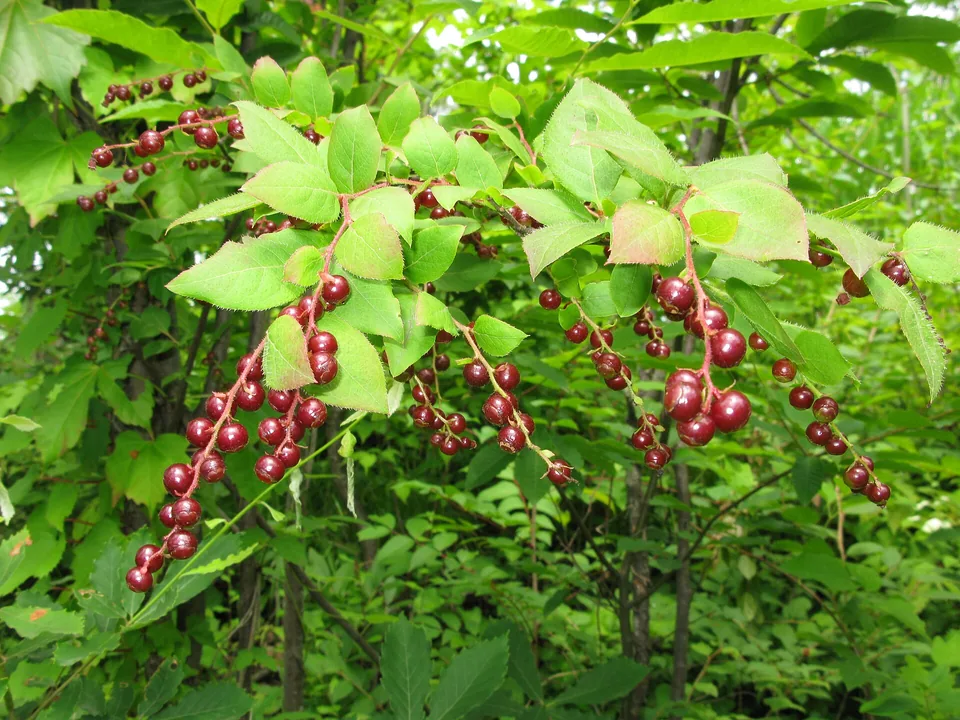
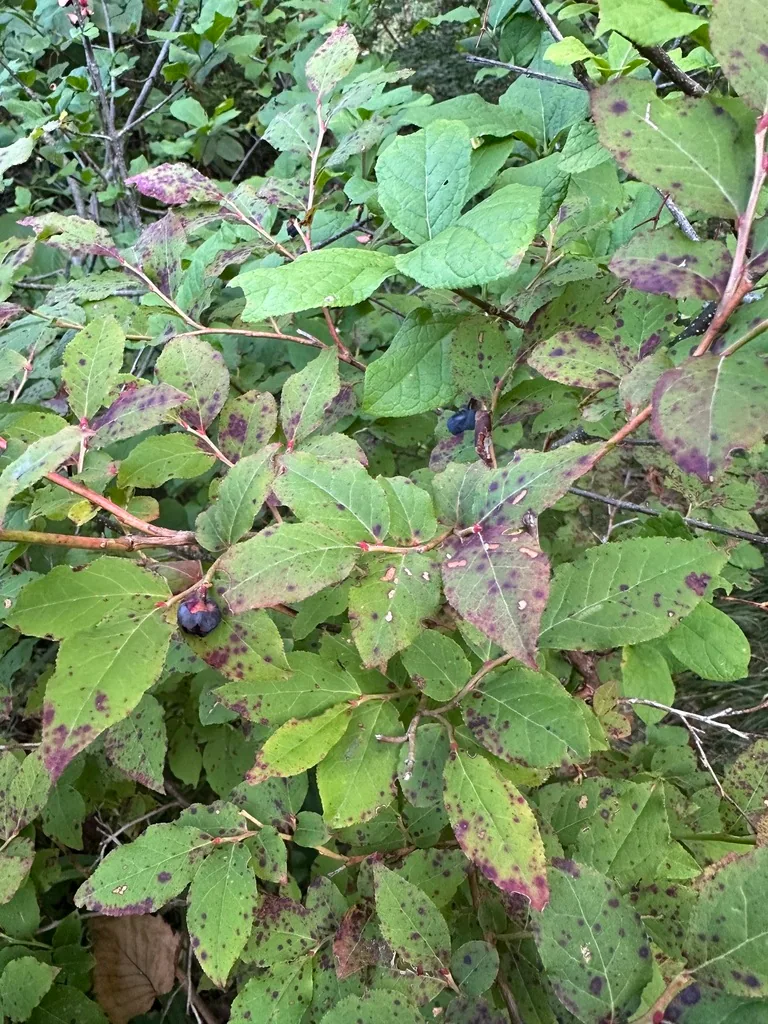
Japanese blueberry is a multistemmed edible shrub that can grow to a height of 12 feet [3.7 m]. [1] It requires a moist site with good drainage and does best in full sun. [1] Its fruits are edible both raw and cooked. [1]
This record is incomplete: the sources we read do not cover every field yet.
Not yet covered by our sources: Spacing
Japanese Blueberries care
Measurements in square brackets are our conversion into the other unit system; the quoted text is unchanged.
How to water Japanese Blueberries
Moist site with good drainage
What the sources say (1)
requires a moist site with good drainageHow much light Japanese Blueberries needs
Full sun to dappled sunlight or partial shade; best in full sun
What the sources say (2)
It does best in full sun with soil that has an abundance of acid.Light:
Dappled Sunlight (Shade through upper canopy all day)
Full sun (6 or more hours of direct sunlight a day)
Partial Shade (Direct sunlight only part of the day, 2-6 hours)How much cold Japanese Blueberries can take
Hardiness, coldest zone
5a [winter low −28.9 to −26.1 °C (−20 to −15 °F)]
What the sources say (1)
USDA Plant Hardiness Zone:
5a, 5b, 6a, 6b, 7a, 7b, 8a, 8b, 9a, 9bHardiness, warmest zone
9b [winter low −3.9 to −1.1 °C (25 to 30 °F)]
What the sources say (1)
USDA Plant Hardiness Zone:
5a, 5b, 6a, 6b, 7a, 7b, 8a, 8b, 9a, 9bBest soil for Japanese Blueberries
6.0
What the sources say (1)
Soil pH:
Acid (<6.0)Where to grow Japanese Blueberries
In containers
Yes
What the sources say (1)
This blueberry can be used in a wide range of locations: in a container, meadowSpacing
Not stated in the sources we read.
How to propagate Japanese Blueberries
Seed, stem cutting
What the sources say (1)
Recommended Propagation Strategy:
Seed
Stem CuttingHow to grow Japanese Blueberries
The plant
Life cycle
perennial
What the sources say (1)
Family:
Ericaceae
Life Cycle:
Perennial
Recommended Propagation Strategy:
Seed
Stem CuttingFamily
Ericaceae
What the sources say (1)
Japanese blueberries are in the Ericaceae (heath) family and native to east China, South Korea, and Japan.Mature height
365.76 cm (12 ft)
What the sources say (1)
This multistemmed edible shrub can grow to a height of 12 feet and requires a moist site with good drainageJapanese Blueberries pests and problems
Leaf chlorosis
Symptom: Leaves become chlorotic in high pH soils
What to do: Grow in acidic soil
What the sources say (1)
Leaves will become chlorotic in high pH soils.
— Vaccinium oldhamii (Japanese Blueberries, Natsuhaze) | North Carolina Extension Gardener Plant Toolbox [1]
Remedies
Each remedy shows what official sources say about it; traditional remedies without an official source are marked as such. Harmful ones are listed so you know to avoid them.
Treating the plant
birds eating fruit
protective netting Works
How: Net frame of posts and wires over the planting, with the net spread over and dropped down on all sides; secure the edges because birds will tunnel under unsecured netting.
Exclusion of birds using protective netting is the most effective way to prevent bird damage.
— umass.edu [6] What the evidence says Exclusion of birds using protective netting is the most effective way to prevent bird damage.
— umass.edu [6]
iron chlorosis in high pH soil
azalea camellia rhododendron food Official source, not independently tested
Changes in soil pH will be slow and may take up to a year for results to show in soil tests.
— pnwhandbooks.org [7] How: Home gardeners should use products marketed as azalea, camellia and/or rhododendron food.
Home gardeners should use products marketed as azalea, camellia and/or rhododendron food.
— pnwhandbooks.org [7]
Calendar
Sowing
Started in a greenhouse in a somewhat shady area, first winter under those conditions
What the sources say (2)
Seed can be started in a greenhouse in a somewhat shady area.Spending their first winter in these conditions will be beneficial for the seedlings.Planting
Late spring or early summer
What the sources say (1)
In late spring or early summer, they can then be planted outdoors in a permanent location protected from high winds.Harvest
Summer to fall
What the sources say (1)
Display/Harvest Time:
Fall
SummerMonths as given by the sources, which are mostly from the United States (northern hemisphere). In the southern hemisphere they shift by about six months.
Edibility
Reported by the source, quoted verbatim. Do not eat a plant on the basis of this page alone: identification mistakes can be dangerous.
The fruits are edible both raw and cooked.
[1]
Similar plants
- Bilberry Vaccinium myrtillus
- Black Highbush Blueberry Vaccinium fuscatum
- Cranberry Vaccinium macrocarpon
- Creeping Blueberry Vaccinium crassifolium
- Deerberry Vaccinium stamineum
- Elliott's Blueberry Vaccinium elliottii
- Highbush blueberry Vaccinium corymbosum
- Highbush Blueberry Vaccinium formosum
Sources
Every value above is quoted from these documents. Links lead to the original publisher.
- Vaccinium oldhamii (Japanese Blueberries, Natsuhaze) | North Carolina Extension Gardener Plant Toolbox · plants.ces.ncsu.edu, consulted
- Japanese Blueberries - Vaccinium oldhamii | North Carolina Extension Gardener Plant Toolbox · plants.ces.ncsu.edu, consulted
- Vaccinium (Bilberries, Blueberries, Blueberry, Cranberries, Huckleberries) | North Carolina Extension Gardener Plant Toolbox · plants.ces.ncsu.edu, consulted
- Cranberries - Vaccinium | North Carolina Extension Gardener Plant Toolbox · plants.ces.ncsu.edu, consulted
- Huckleberries - Vaccinium | North Carolina Extension Gardener Plant Toolbox · plants.ces.ncsu.edu, consulted
- umass.edu · umass.edu
- pnwhandbooks.org · pnwhandbooks.org
Written by Emilio Marruso · last checked