
How to Grow and Care for Alaska blueberry
Vaccinium ovalifolium
Written by Emilio Marruso · last checked
At a glance
This plant gives you fruit with a pleasant sweet flavor and a mild tang, good raw or cooked. Give it acidic soil, pH 4.0–6.0, that stays moist but drains freely, and water it moderately. It grows up to 6 feet tall, and you can start new plants from seed, cuttings, layering or suckers.
- Water
Water moderately; keep the soil moist but well drained
- Cold
Survives winters down to −40 °F (−40 °C)
Very hardy · USDA 3 · RHS H7 · Z3
What the sources say (1)
Hardiness, coldest zone: 3 [winter low −40 to −34.4 °C (−40 to −30 °F)]
Hardiness Zone 3+ Soil textures
— Black Huckleberry (Vaccinium ovalifolium) — Practical Plants [2] - Soil
Acidic soil, pH 4.0–6.0
What the sources say (2)
Soil pH, minimum: 4.0
Prefers a very acid soil with a pH in the range of 4.0 to 6, plants soon become chlorotic when lime is present.
— Vaccinium ovalifolium - Useful Temperate Plants [1] Soil pH, maximum: 6.0
Prefers a very acid soil with a pH in the range of 4.0 to 6, plants soon become chlorotic when lime is present.
— Vaccinium ovalifolium - Useful Temperate Plants [1] - Harvest
Edible fruit, sweet and mildly tangy, good raw or cooked
- Size
Up to 6 ft tall
What the sources say (1)
Mature height: up to 183 cm (6 ft)
Form: Erect, slender, spreading shrub to 6 feet tall.
— Virginia Tech Dendrology Fact Sheet [6] - Propagation
From seed, half-ripe cuttings, layering or dividing suckers
What the sources say (4)
Propagation: Seed; half-ripe cuttings; layering; division of suckers
Seed - sow late winter in a greenhouse in a lime-free potting mix and only just cover the seed
— Black Huckleberry (Vaccinium ovalifolium) — Practical Plants [2] Cuttings of half-ripe wood, 5 - 8cm with a heel, August in a frame [14] .
— Black Huckleberry (Vaccinium ovalifolium) — Practical Plants [2] Layering in late summer or early autumn [14] .
— Black Huckleberry (Vaccinium ovalifolium) — Practical Plants [2] Division of suckers in spring or early autumn [3] .
— Black Huckleberry (Vaccinium ovalifolium) — Practical Plants [2] - Sowing
Sow in late winter in a greenhouse
What the sources say (1)
Sowing: Late winter, in a greenhouse
Seed - sow late winter in a greenhouse in a lime-free potting mix and only just cover the seed
— Black Huckleberry (Vaccinium ovalifolium) — Practical Plants [2]
Overview
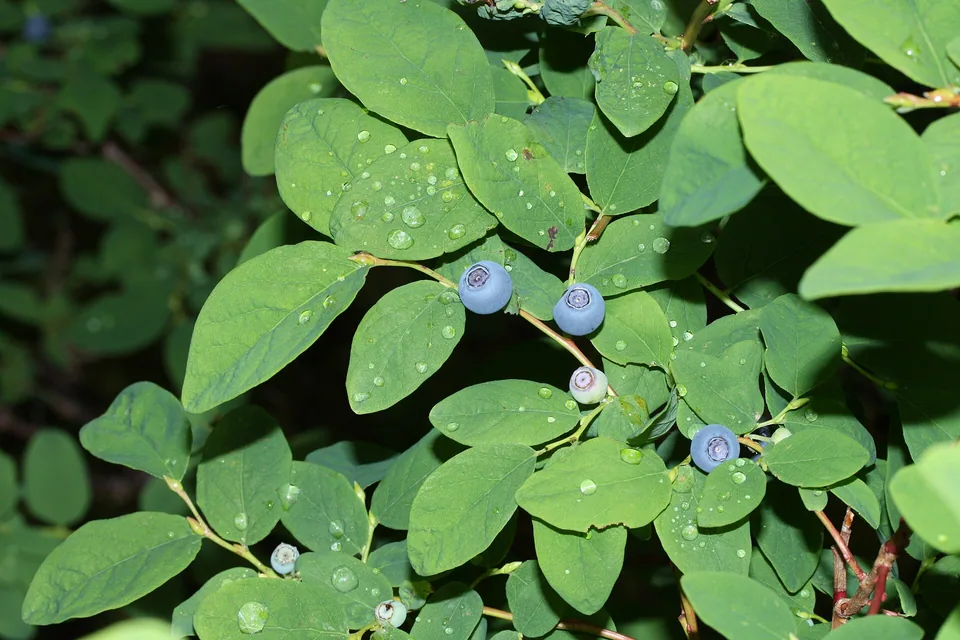
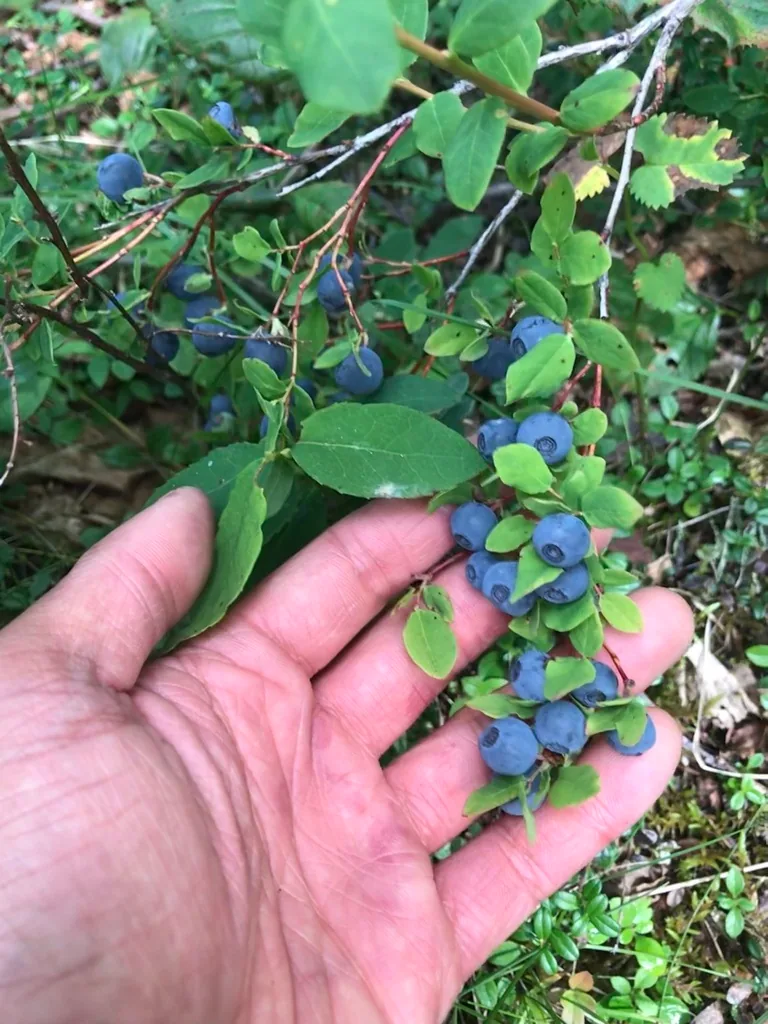
Vaccinium ovalifolium, oval-leaf blueberry, is a deciduous shrub of northern North America whose blue-black berries are edible. [1][6] It can be propagated by seed, cuttings, layering and division of suckers. [2]
This record is incomplete: the sources we read do not cover every field yet.
Not yet covered by our sources: Light, Planting, Harvest, Spacing
Alaska blueberry care
How to water Alaska blueberry
Watering
Moderate
What the sources say (1)
Water
moderate
HardinessWatering notes
Requires a moist but freely-draining soil
What the sources say (1)
Requires a moist but freely-draining lime free soilHow much light Alaska blueberry needs
Not stated in the sources we read.
How much cold Alaska blueberry can take
3 [winter low −40 to −34.4 °C (−40 to −30 °F)]
What the sources say (1)
Hardiness
Zone 3+
Soil texturesBest soil for Alaska blueberry
Soil pH, minimum
4.0
What the sources say (1)
Prefers a very acid soil with a pH in the range of 4.0 to 6, plants soon become chlorotic when lime is present.Soil pH, maximum
6.0
What the sources say (1)
Prefers a very acid soil with a pH in the range of 4.0 to 6, plants soon become chlorotic when lime is present.Where to grow Alaska blueberry
Not stated in the sources we read.
How to propagate Alaska blueberry
Seed; half-ripe cuttings; layering; division of suckers
What the sources say (4)
Seed - sow late winter in a greenhouse in a lime-free potting mix and only just cover the seedCuttings of half-ripe wood, 5 - 8cm with a heel, August in a frame [14] .Layering in late summer or early autumn [14] .Division of suckers in spring or early autumn [3] .How to grow Alaska blueberry
Remedies
The sources we checked give no remedies for this plant.
Calendar
Sowing
Late winter, in a greenhouse
What the sources say (1)
Seed - sow late winter in a greenhouse in a lime-free potting mix and only just cover the seedPlanting
Not stated in the sources we read.
Harvest
Not stated in the sources we read.
Months as given by the sources, which are mostly from the United States (northern hemisphere). In the southern hemisphere they shift by about six months.
Edibility
Reported by the source, quoted verbatim. Do not eat a plant on the basis of this page alone: identification mistakes can be dangerous.
Fruit - raw or cooked [1] [4] [5] [6] [12] . Mildly acidic [2] [9] . A pleasant sweet flavour [10] .
[2]
Indicative values
Values from a secondary source, not checked word for word like the rest of this page. Use them as a starting point.
- Life cycle
- PerennialIndicative value, adapt it to your climate · Secondary source
- Light
- Deep shade, Filtered shade, Part sun/part shadeIndicative value, adapt it to your climate · Secondary source
- Hours of sun
- 3-4 hoursIndicative value, adapt it to your climate · Secondary source
- Soil
- Acidic, Bog, Humus richIndicative value, adapt it to your climate · Secondary source
- Care level
- MediumIndicative value, adapt it to your climate · Secondary source
- Growth rate
- ModerateIndicative value, adapt it to your climate · Secondary source
- Pruning
- August, June, July, AugustIndicative value, adapt it to your climate · Secondary source
- Pests
- Virus, Pest resistant, Disease resistantIndicative value, adapt it to your climate · Secondary source
Similar plants
- Bilberry Vaccinium myrtillus
- Black Highbush Blueberry Vaccinium fuscatum
- Cranberry Vaccinium macrocarpon
- Creeping Blueberry Vaccinium crassifolium
- Deerberry Vaccinium stamineum
- Elliott's Blueberry Vaccinium elliottii
- Highbush blueberry Vaccinium corymbosum
- Highbush Blueberry Vaccinium formosum
Sources
Every value above is quoted from these documents. Links lead to the original publisher.
- Vaccinium ovalifolium - Useful Temperate Plants · temperate.theferns.info, consulted
- Black Huckleberry (Vaccinium ovalifolium) — Practical Plants · practicalplants.org, consulted
- Indicator Plants – Coastal Indicator Plants of BC (FRST 201) · blogs.ubc.ca, consulted
- Family Names · courses.washington.edu, consulted
- Vaccinium ovalifolium - Trees and Shrubs Online · treesandshrubsonline.org, consulted
- Virginia Tech Dendrology Fact Sheet · dendro.cnre.vt.edu, consulted
Written by Emilio Marruso · last checked