
How to Grow and Care for Chaste Tree
Vitex agnus-castus
Written by Emilio Marruso · last checked
At a glance
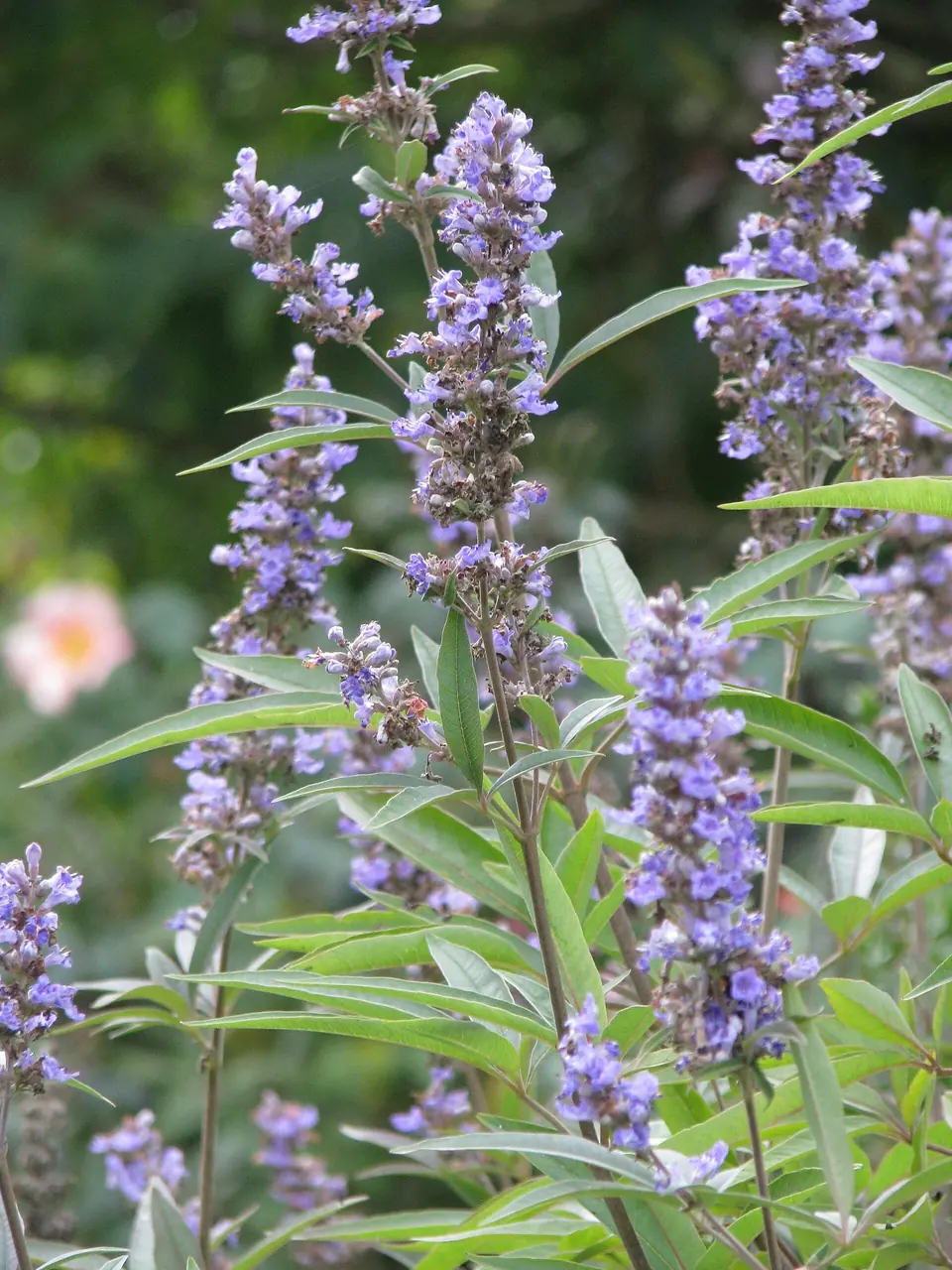
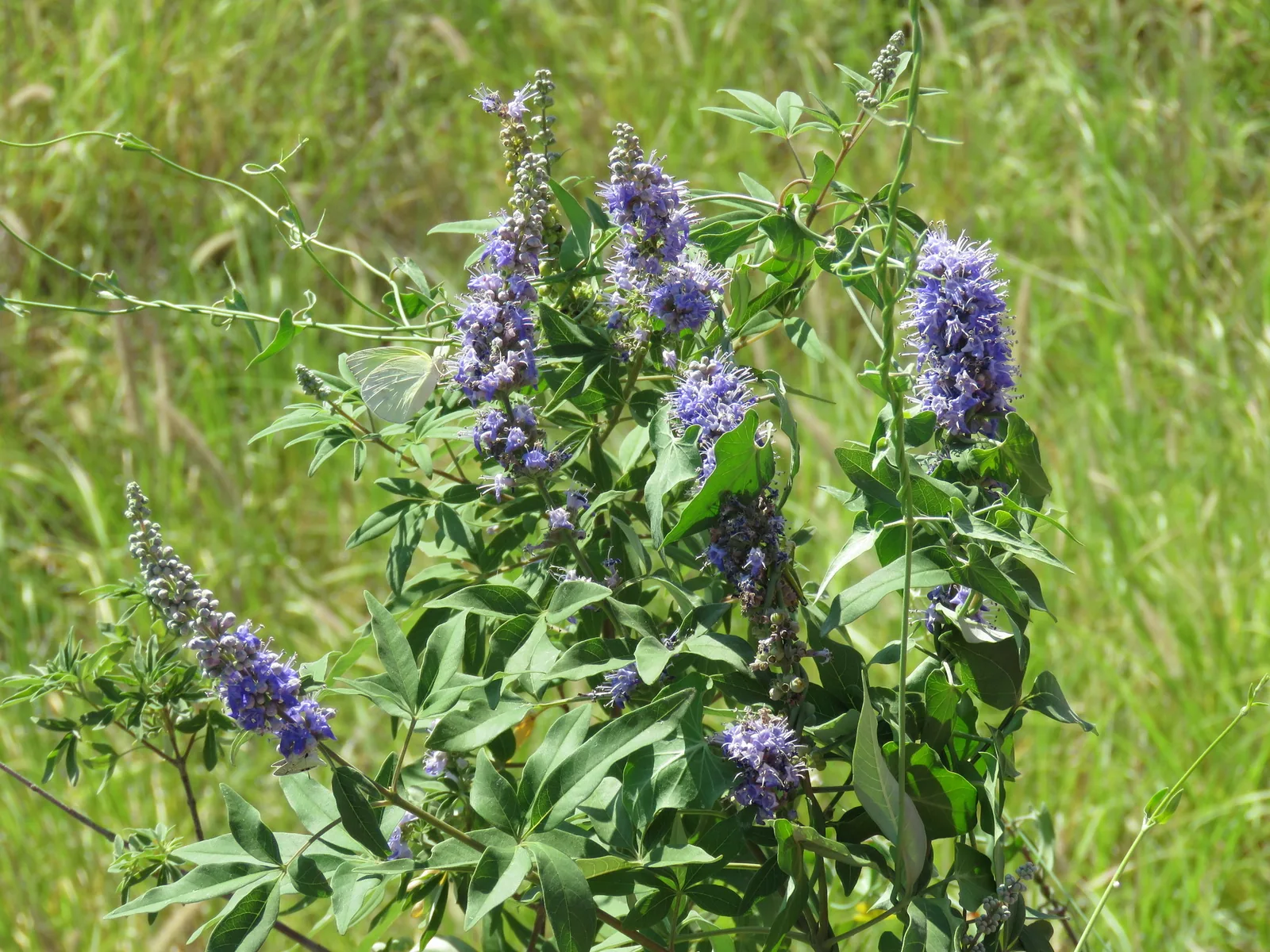
The chaste tree is an easygoing shrub that grows 10–15 feet tall, or up to 20 feet when grown as a tree. Once settled in, it handles drought well and only asks for soil that drains and never stays wet. Prune and feed it in late winter, then enjoy its fruit display in fall.
- Water
Handles drought once settled; keep the soil moist but never wet
What the sources say (4)
Watering: Drought tolerant once established; adequate but not wet soil moisture
This tree is resistant to damage by deer and is moderately salt-tolerant. It has good drought tolerance once established.
— Vitex agnus-castus (Chasteberry, Chastetree, Chaste Tree, Lilac Chastetree, Monk's Pepper, Texas Lilac) | North Carolina Extension Gardener Plant Toolbox [1] After becoming established, it does well in a hot, dry setting (e.g. xeric or water-wise garden) and tolerates drought conditions.
— Chastetree | Home & Garden Information Center [3] Watering notes: Avoid soil that is not well-drained or stays wet; root rot can occur in too moist soils
If planted in soil that is not well-drained or remains wet, it can succumb to root rot and dieback.
— Chastetree | Home & Garden Information Center [3] Thrips can cause damage. Root rot can occur in too moist soils.
— Vitex agnus-castus (Chasteberry, Chastetree, Chaste Tree, Lilac Chastetree, Monk's Pepper, Texas Lilac) | North Carolina Extension Gardener Plant Toolbox [1] - Soil
Well-drained soil: in soggy ground the roots rot
What the sources say (2)
Watering notes: Avoid soil that is not well-drained or stays wet; root rot can occur in too moist soils
If planted in soil that is not well-drained or remains wet, it can succumb to root rot and dieback.
— Chastetree | Home & Garden Information Center [3] Thrips can cause damage. Root rot can occur in too moist soils.
— Vitex agnus-castus (Chasteberry, Chastetree, Chaste Tree, Lilac Chastetree, Monk's Pepper, Texas Lilac) | North Carolina Extension Gardener Plant Toolbox [1] - Feeding
Feed in late winter, so new growth isn't hurt by freezes
What the sources say (1)
When: Late winter, to avoid freeze damage to new growth
Fertilize in the late winter to avoid freeze risk to new growth.
— Louisiana Super Plants: Shoal Creek Chaste Tree [5] - Pruning
Prune from late winter to early spring
What the sources say (2)
Pruning: Late winter to early spring
Pruning can be done in early spring as flowering occurs on new wood.
— Vitex agnus-castus (Chasteberry, Chastetree, Chaste Tree, Lilac Chastetree, Monk's Pepper, Texas Lilac) | North Carolina Extension Gardener Plant Toolbox [1] Their size can be controlled easily by late winter pruning to keep the plant
— Chaste Tree [4] - Harvest
Its fruit shows up in fall
What the sources say (1)
Harvest: Fall (fruit display/harvest time)
Fruit Color: Purple/Lavender Display/Harvest Time: Fall Fruit Type:
— Vitex agnus-castus (Chasteberry, Chastetree, Chaste Tree, Lilac Chastetree, Monk's Pepper, Texas Lilac) | North Carolina Extension Gardener Plant Toolbox [1] - Pests
Thrips; leaf spot and root rot in wet soil; water the soil, not the leaves
What the sources say (2)
Pests: thrips
Insects, Diseases, and Other Plant Problems : Thrips can cause damage. Root rot can occur in too moist soils.
— Vitex agnus-castus (Chasteberry, Chastetree, Chaste Tree, Lilac Chastetree, Monk's Pepper, Texas Lilac) | North Carolina Extension Gardener Plant Toolbox [1] Diseases: root rot, leaf spot, dieback
If planted in soil that is not well-drained or remains wet, it can succumb to root rot and dieback. Leaf spots can be a problem, especially if overhead irrigation is used.
— Chastetree | Home & Garden Information Center [3] - Size
10–15 ft tall as a shrub, up to 20 ft as a tree; as wide as it is tall
What the sources say (4)
Mature height: 304.8-457.2 cm (10-15 ft) as a shrub; up to 609.6 (20 ft) as a tree
Although typically grown as a 10- to 15-foot shrub, in tree form it can reach heights and widths of up to 20 feet.
— Vitex agnus-castus (Chasteberry, Chastetree, Chaste Tree, Lilac Chastetree, Monk's Pepper, Texas Lilac) | North Carolina Extension Gardener Plant Toolbox [1] Form: A large shrub to 15 feet (occasionally a small tree to 20 feet) and of equal spread.
— Virginia Tech Dendrology Fact Sheet [6] Mature width: up to 609.6 cm (20 ft) in tree form; equal to height
Although typically grown as a 10- to 15-foot shrub, in tree form it can reach heights and widths of up to 20 feet.
— Vitex agnus-castus (Chasteberry, Chastetree, Chaste Tree, Lilac Chastetree, Monk's Pepper, Texas Lilac) | North Carolina Extension Gardener Plant Toolbox [1] Form: A large shrub to 15 feet (occasionally a small tree to 20 feet) and of equal spread.
— Virginia Tech Dendrology Fact Sheet [6] - Propagation
Grows from seed
What the sources say (1)
Propagation: Seed
Life Cycle: Woody Recommended Propagation Strategy: Seed Country Or Region Of Origin:
— Vitex agnus-castus (Chasteberry, Chastetree, Chaste Tree, Lilac Chastetree, Monk's Pepper, Texas Lilac) | North Carolina Extension Gardener Plant Toolbox [1]
Overview
Chaste tree is a deciduous shrub or small tree grown as a landscape plant. [3] It is drought tolerant once established and does best in well-drained soil. [1][3] It can reseed and become invasive in some areas. [3]
Chaste Tree care
How to water Chaste Tree
Watering
Drought tolerant once established; adequate but not wet soil moisture
What the sources say (2)
This tree is resistant to damage by deer and is moderately salt-tolerant. It has good drought tolerance once established.After becoming established, it does well in a hot, dry setting (e.g. xeric or water-wise garden) and tolerates drought conditions.Watering notes
Avoid soil that is not well-drained or stays wet; root rot can occur in too moist soils
What the sources say (2)
If planted in soil that is not well-drained or remains wet, it can succumb to root rot and dieback.Thrips can cause damage. Root rot can occur in too moist soils.How much light Chaste Tree needs
The sources disagree:
Light: full sun to part shade Water: average water requirements, tolerates drought
[7]
What the sources say (3)
Light:
Full sun (6 or more hours of direct sunlight a day)It prefers full sun and loose, well-drained soil with adequate but not wet soil moisture.It needs
full sun to flower but is not particular about soil type.How much cold Chaste Tree can take
Hardiness, coldest zone
The sources give different values depending on region, zone or growing conditions.
What each source says
According to NC State Extension: 7a [winter low −17.8 to −15 °C (0 to 5 °F)]
According to Clemson Extension: 7 [winter low −17.8 to −12.2 °C (0 to 10 °F)]
According to University of Arkansas Extension: 6 [winter low −23.3 to −17.8 °C (−10 to 0 °F)]
What the sources say (3)
According to NC State Extension: USDA Plant Hardiness Zone:
7a, 7b, 8a, 8bAccording to Clemson Extension: It is an excellent selection for southern landscapes in USDA zones 7 to 9According to University of Arkansas Extension: Chaste tree is a tough, drought-resistant plant hardy from zones 6 to 9.Hardiness, warmest zone
The sources give different values depending on region, zone or growing conditions.
What each source says
According to NC State Extension: 8b [winter low −9.4 to −6.7 °C (15 to 20 °F)]
According to Clemson Extension: 9 [winter low −6.7 to −1.1 °C (20 to 30 °F)]
According to University of Arkansas Extension: 9 [winter low −6.7 to −1.1 °C (20 to 30 °F)]
What the sources say (3)
According to NC State Extension: USDA Plant Hardiness Zone:
7a, 7b, 8a, 8bAccording to Clemson Extension: It is an excellent selection for southern landscapes in USDA zones 7 to 9According to University of Arkansas Extension: Chaste tree is a tough, drought-resistant plant hardy from zones 6 to 9.How to propagate Chaste Tree
Seed
What the sources say (1)
Life Cycle:
Woody
Recommended Propagation Strategy:
Seed
Country Or Region Of Origin:How to grow Chaste Tree
The plant
Family
Mature height
304.8-457.2 cm (10-15 ft) as a shrub; up to 609.6 (20 ft) as a tree
What the sources say (2)
Although typically grown as a 10- to 15-foot shrub, in tree form it can reach heights and widths of up to 20 feet.Form: A large shrub to 15 feet (occasionally a small tree to 20 feet) and of equal spread.Mature width
up to 609.6 cm (20 ft) in tree form; equal to height
What the sources say (2)
Although typically grown as a 10- to 15-foot shrub, in tree form it can reach heights and widths of up to 20 feet.Form: A large shrub to 15 feet (occasionally a small tree to 20 feet) and of equal spread.Pests and diseases
Pests
thrips
What the sources say (1)
Insects, Diseases, and Other Plant Problems : Thrips can cause damage. Root rot can occur in too moist soils.Diseases
root rot, leaf spot, dieback
What the sources say (1)
If planted in soil that is not well-drained or remains wet, it can succumb to root rot and dieback. Leaf spots can be a problem, especially if overhead irrigation is used.Fertilizing
When
Late winter, to avoid freeze damage to new growth
What the sources say (1)
Fertilize in the late winter to avoid freeze risk to new growth.Chaste Tree pests and problems
Root rot
Symptom: Root rot and dieback in soil that is not well-drained or remains wet
What to do: Plant in well-drained soil
What the sources say (1)
If planted in soil that is not well-drained or remains wet, it can succumb to root rot and dieback.
— Chastetree | Home & Garden Information Center [3] Thrips
Symptom: Thrips can cause damage
What the sources say (1)
Thrips can cause damage. Root rot can occur in too moist soils.
— Vitex agnus-castus (Chasteberry, Chastetree, Chaste Tree, Lilac Chastetree, Monk's Pepper, Texas Lilac) | North Carolina Extension Gardener Plant Toolbox [1] Leaf spots
Symptom: Leaf spots, especially if overhead irrigation is used
What to do: Several cultivars have resistance to leaf spot diseases
What the sources say (1)
Leaf spots can be a problem, especially if overhead irrigation is used. Several cultivars are available that have resistance to leaf spot diseases.
— Chastetree | Home & Garden Information Center [3]
Remedies
The sources we checked give no remedies for this plant.
Calendar
Harvest
Fall (fruit display/harvest time)
What the sources say (1)
Fruit Color:
Purple/Lavender
Display/Harvest Time:
Fall
Fruit Type:Pruning
Late winter to early spring
What the sources say (2)
Pruning can be done in early spring as flowering occurs on new wood.Their size can be controlled easily by late
winter pruning to keep the plantMonths as given by the sources, which are mostly from the United States (northern hemisphere). In the southern hemisphere they shift by about six months.
Similar plants
- Beach Vitex Vitex rotundifolia
- Chastetree Vitex negundo
- Aaron's Beard Hypericum calycinum
- Abies grandis Abies grandis
- Abraham Trachystemon orientalis
- Abyssinian banana Ensete ventricosum
- Acacia longifolia Acacia longifolia
- Acacia retinodes Acacia retinodes
Sources
Every value above is quoted from these documents. Links lead to the original publisher.
- Vitex agnus-castus (Chasteberry, Chastetree, Chaste Tree, Lilac Chastetree, Monk's Pepper, Texas Lilac) | North Carolina Extension Gardener Plant Toolbox · plants.ces.ncsu.edu, consulted
- European Medicines Agency · ema.europa.eu, consulted
- Chastetree | Home & Garden Information Center · hgic.clemson.edu, consulted
- Chaste Tree · uaex.uada.edu, consulted
- Louisiana Super Plants: Shoal Creek Chaste Tree · lsuagcenter.com, consulted
- Virginia Tech Dendrology Fact Sheet · dendro.cnre.vt.edu, consulted
- UNF: Vitex agnus-castus · unf.edu, consulted
Written by Emilio Marruso · last checked