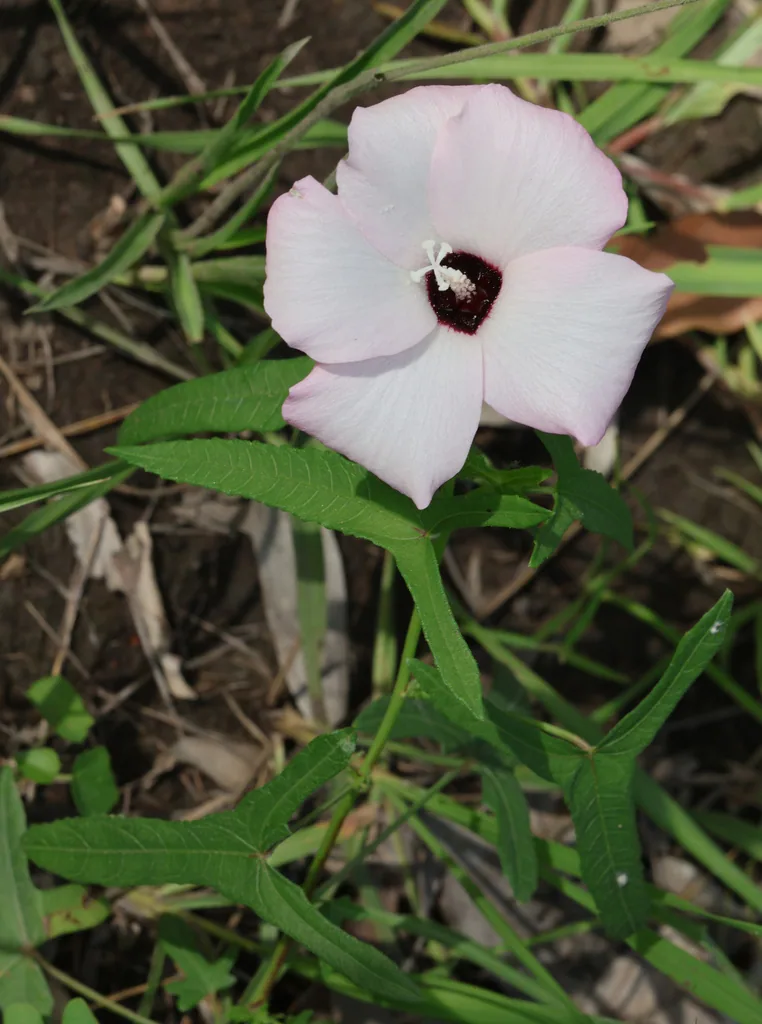
How to Grow and Care for Musk okra
Abelmoschus moschatus
Written by Emilio Marruso · last checked
Toxic to: People · Why
At a glance
Musk mallow is a sun lover with a tasty side: its young leaves and shoots go into soups, the unripe pods cook just like okra, and the seeds add flavor to dishes. Start the seeds in spring under cover, plant them out after the last frosts, and keep the soil moist. Each spring, cut the stems back to 6 inches.
- Sun
Full sun
- Water
Plenty of water, keep the soil moist; let it dry out when the leaves die back in the dry season
What the sources say (3)
Watering: Moderate to abundant water; requires moist soils
Watering Needs: Moderate water to abundant water
— Musk Mallow (Abelmoschus moschatus) [5] It requires moist soils.
— Abelmoschus moschatus [2] Watering notes: Allow the plant to dry out when the foliage dies off in the dry season
The plant should be allowed to dry out when foliage dies off during the dry season.
— Abelmoschus moschatus subsp. tuberosus - Australian Native Plants Society (Australia) [4] - Soil
Well-drained soil: soggy soil makes the roots rot
- Planting
Plant out after the last frosts
What the sources say (1)
Planting: After the last expected frosts
plant them out after the last expected frosts
— Abelmoschus moschatus - Useful Temperate Plants [1] - Pruning
In spring, cut the stems back to 6 inches
What the sources say (1)
Pruning: Spring: cut stems back to about 15 cm [5.9 in]
It is best to cut back the stems to about 15cm long in the spring
— Abelmoschus moschatus - Useful Temperate Plants [1] - Harvest
Cook young leaves and shoots in soups, green pods like okra; seeds add flavor
- Pests
Spider mites, slugs, whiteflies and powdery mildew
- Propagation
From seed, small tubers or stem cuttings
What the sources say (2)
Propagation: Seed, small tubers, stem cuttings, half-ripe wood cuttings
Cuttings of half-ripe wood, July in a frame
— Abelmoschus moschatus - Useful Temperate Plants [1] Propagation may be from seeds, small tubers or stem cuttings.
— Abelmoschus moschatus subsp. tuberosus - Australian Native Plants Society (Australia) [4] - Sowing
Sow in spring in a greenhouse
- Safety
No known hazards to people
Overview
Musk mallow is an annual to perennial hibiscus-like plant up to 2 m [6.6 ft] tall that usually dies back to its root in dry or cold seasons. [1] It is grown as an ornamental and for aromatic seed oil, and its young leaves and unripe pods are cooked as a vegetable. [3][1] It needs a sunny position and well-drained, moist soil. [1][2]
This record is incomplete: the sources we read do not cover every field yet.
Not yet covered by our sources: Hardiness, coldest zone, Hardiness, warmest zone
Musk okra care
Measurements in square brackets are our conversion into the other unit system; the quoted text is unchanged.
How to water Musk okra
Watering
Moderate to abundant water; requires moist soils
Watering notes
Allow the plant to dry out when the foliage dies off in the dry season
What the sources say (1)
The plant should be allowed to dry out when foliage dies off during the dry season.How much light Musk okra needs
How much cold Musk okra can take
Hardiness, coldest zone
Not stated in the sources we read.
Hardiness, warmest zone
Not stated in the sources we read.
Best soil for Musk okra
The sources give different values depending on region, zone or growing conditions.
What each source says
According to Temperate Plants Database: 5.5-7 (tolerating 5-8)
According to Agroforestry Database: 6-7.8
How to propagate Musk okra
Seed, small tubers, stem cuttings, half-ripe wood cuttings
Musk okra pests and problems
Root rot
Symptom: Root rot in poorly drained soils
What to do: Plant in well-drained soil
What the sources say (1)
Root rot may occur in poorly drained soils.
— Abelmoschus moschatus [2] Spider mites, slugs and whiteflies
Symptom: Pest infestations
What to do: Control spider mites, slugs and whiteflies
What the sources say (1)
spider mites, slugs and whiteflies are to be controlled
— Abelmoschus moschatus [2] Powdery mildew
Symptom: Powdery mildew
What the sources say (1)
It is reportedly susceptible to powdery mildews.
— Abelmoschus moschatus [2]
Remedies
The sources we checked give no remedies for this plant.
Is Musk okra poisonous?
Reported by the source, quoted verbatim. This is not medical or veterinary advice: if a person or an animal may have eaten this plant, contact a poison control centre or a veterinarian.
Known Hazards None known
[1]
Calendar
Spring, in a greenhouse
What each source says
Central India: March-April, as late as the first week of July
After the last expected frosts
What the sources say (1)
plant them out after the last expected frostsFruits ripen from November to January
What each source says
April sown crop (India): November to January
Spring: cut stems back to about 15 cm [5.9 in]
What the sources say (1)
It is best to cut back the stems to about 15cm long in the springMonths as given by the sources, which are mostly from the United States (northern hemisphere). In the southern hemisphere they shift by about six months.
Edibility
Reported by the source, quoted verbatim. Do not eat a plant on the basis of this page alone: identification mistakes can be dangerous.
Indicative values
Values from a secondary source, not checked word for word like the rest of this page. Use them as a starting point.
- Life cycle
- Herbaceous PerennialIndicative value, adapt it to your climate · Secondary source
- Mature height
- 45.7-61 cm (1.5-2 ft)Indicative value, adapt it to your climate · Secondary source
- Hours of sun
- 6-8 hoursIndicative value, adapt it to your climate · Secondary source
- Drought tolerant
- yesIndicative value, adapt it to your climate · Secondary source
- USDA hardiness zones
- 9-11 [winter low −6.7 to 10 °C (20 to 50 °F)]Indicative value, adapt it to your climate · Secondary source
- Care level
- MediumIndicative value, adapt it to your climate · Secondary source
- Growth rate
- LowIndicative value, adapt it to your climate · Secondary source
Similar plants
- Okra Abelmoschus esculentus
- Sunset Huskmallow Abelmoschus manihot
- Abies grandis Abies grandis
- Abraham Trachystemon orientalis
- Abyssinian banana Ensete ventricosum
- Acacia longifolia Acacia longifolia
- Acanthus hungaricus Acanthus hungaricus
- Aconite Aconitum napellus
Sources
Every value above is quoted from these documents. Links lead to the original publisher.
- Abelmoschus moschatus - Useful Temperate Plants · temperate.theferns.info, consulted
- Abelmoschus moschatus · apps.worldagroforestry.org, consulted
- View crop · ecocrop.apps.fao.org, consulted
- Abelmoschus moschatus subsp. tuberosus - Australian Native Plants Society (Australia) · anpsa.org.au, consulted
- Musk Mallow (Abelmoschus moschatus) · desert-tropicals.com, consulted
Written by Emilio Marruso · last checked