
How to Grow and Care for Saltbush
Atriplex halimus
Written by Emilio Marruso · last checked
Toxic to: People · Why
At a glance
Mediterranean saltbush is a tough, easygoing plant. Give it full sun and it shrugs off drought, asking only for moderate water once the soil has dried. Its leaves are edible raw or cooked and can be picked any time of year, with just a light harvest in winter. Grow it from seed or cuttings and enjoy a year-round green pantry.
- Sun
Full sun
- Water
Water moderately, only once the soil has dried; it handles drought very well
What the sources say (1)
Watering: Water moderately, waiting until the soil has dried; very resistant to drought
Always water moderately, waiting until the soil has dried; Silvery orache is very resistant to drought.
— Atriplex halimus or Saltbush | Care and Growing [3] - Soil
Avoid heavy or rich soil that stays wet in winter
What the sources say (2)
- Planting
Plant in late spring or early summer, after the last frosts
What the sources say (1)
Planting: Late spring or early summer, after the last expected frosts
plant out in late spring or early summer after the last expected frosts
— Atriplex halimus - Useful Temperate Plants [1] - Pruning
Prune after flowering
What the sources say (1)
Pruning: After flowering
Prune after flowering to maintain a compact appearance.
— Atriplex halimus or Saltbush | Care and Growing [3] - Harvest
Pick leaves any time of year to eat raw or cooked; pick only a few in winter
What the sources say (1)
Harvest: Leaves any time of the year; winter harvesting must be light
The leaves can be used at any time of the year though winter harvesting must be light because the plant is not growing much at this time
— Atriplex halimus - Useful Temperate Plants [1] - Propagation
From seed or cuttings: half-ripe stems in midsummer, mature wood in late fall
What the sources say (3)
Propagation: Seed; cuttings of half-ripe wood (mid summer) or mature wood (late autumn); cuttings in spring or summer
Cuttings of half-ripe wood, mid summer in a frame. Very easy.
— Atriplex halimus - Useful Temperate Plants [1] Cuttings of mature wood of the current season's growth, late autumn in a frame.
— Atriplex halimus - Useful Temperate Plants [1] Sea orache propagates easily by cuttings in spring or summer.
— Atriplex halimus or Saltbush | Care and Growing [3] - Sowing
Sow in mid-spring in a cold frame
What the sources say (1)
Sowing: Mid spring (cold frame)
Seed - sow mid spring in a cold frame in a compost of peat and sand.
— Atriplex halimus - Useful Temperate Plants [1] - Safety
Not toxic, but with chemical fertilizers its leaves can build up harmful nitrates
Overview
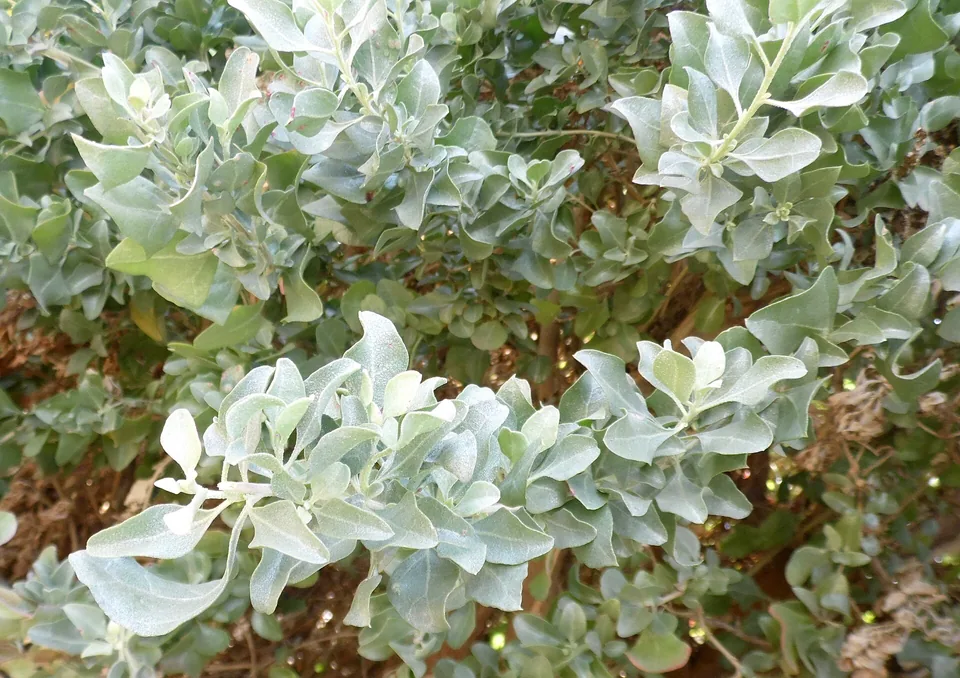
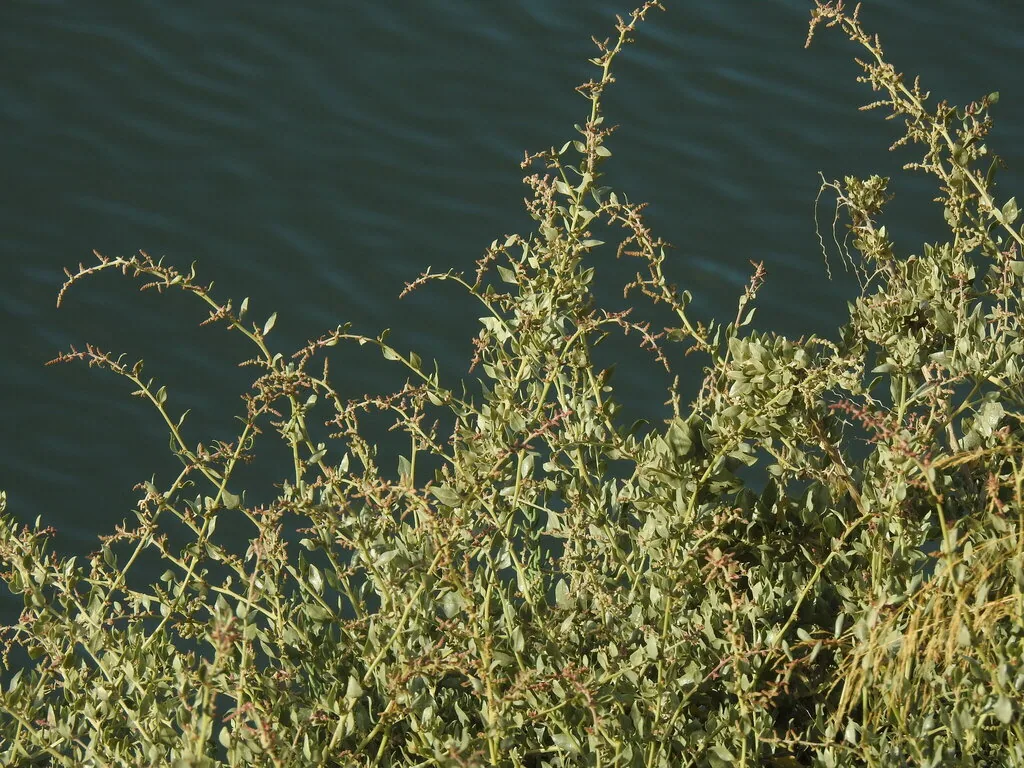
Atriplex halimus is an evergreen shrub grown as a hedge in maritime areas and in soil reclamation projects. [1] It succeeds in full sun in well-drained soil and is very resistant to drought. [1][3] It has excellent tolerance to drought, salinity and alkaline soils and is used as forage for sheep and goats. [6]
This record is incomplete: the sources we read do not cover every field yet.
Not yet covered by our sources: Hardiness, coldest zone, Hardiness, warmest zone
Saltbush care
How to water Saltbush
Watering
Water moderately, waiting until the soil has dried; very resistant to drought
What the sources say (1)
Always water moderately, waiting until the soil has dried; Silvery orache is very resistant to drought.Watering notes
Dislikes very wet climates; prone to winter wet on heavy or rich soils
How much light Saltbush needs
How much cold Saltbush can take
Hardiness, coldest zone
Not stated in the sources we read.
Hardiness, warmest zone
Not stated in the sources we read.
How to propagate Saltbush
Seed; cuttings of half-ripe wood (mid summer) or mature wood (late autumn); cuttings in spring or summer
What the sources say (3)
Cuttings of half-ripe wood, mid summer in a frame. Very easy.Cuttings of mature wood of the current season's growth, late autumn in a frame.Sea orache propagates easily by cuttings in spring or summer.Remedies
Each remedy shows what official sources say about it; traditional remedies without an official source are marked as such. Harmful ones are listed so you know to avoid them.
Getting rid of it
monoxia obesula beetle damage
shredding attacked plants Not verified
Traditional remedy, not verified by an official source.
How: Have the attacked plants shredded; free green-waste shredding operations are organised in spring and autumn in the municipalities, or take the green waste to the waste centre or compost it.
Is Saltbush poisonous?
Reported by the source, quoted verbatim. This is not medical or veterinary advice: if a person or an animal may have eaten this plant, contact a poison control centre or a veterinarian.
Calendar
Sowing
Mid spring (cold frame)
What the sources say (1)
Seed - sow mid spring in a cold frame in a compost of peat and sand.Planting
Late spring or early summer, after the last expected frosts
What the sources say (1)
plant out in late spring or early summer after the last expected frostsHarvest
Leaves any time of the year; winter harvesting must be light
What the sources say (1)
The leaves can be used at any time of the year though winter harvesting must be light because the plant is not growing much at this timePruning
After flowering
What the sources say (1)
Prune after flowering to maintain a compact appearance.Months as given by the sources, which are mostly from the United States (northern hemisphere). In the southern hemisphere they shift by about six months.
Edibility
Reported by the source, quoted verbatim. Do not eat a plant on the basis of this page alone: identification mistakes can be dangerous.
Similar plants
- Fourwing saltbush Atriplex canescens
- Garden orache Atriplex hortensis
- Abies grandis Abies grandis
- Abraham Trachystemon orientalis
- Abyssinian banana Ensete ventricosum
- Acacia longifolia Acacia longifolia
- Acanthus hungaricus Acanthus hungaricus
- Aconite Aconitum napellus
Sources
Every value above is quoted from these documents. Links lead to the original publisher.
- Atriplex halimus - Useful Temperate Plants · temperate.theferns.info, consulted
- Atriplex halimus - Trees and Shrubs Online · treesandshrubsonline.org, consulted
- Atriplex halimus or Saltbush | Care and Growing · consultaplantas.com, consulted
- · cretanflora.com, consulted
- Managing rangelands: promoting sustainable native shrub species: Atriplex halimus: mitigating highly saline soils · repo.mel.cgiar.org, consulted
- Dryland Systems Solutions · mel.cgiar.org, consulted
- Saltbush (Atriplex halimus) — Practical Plants · practicalplants.org, consulted
Written by Emilio Marruso · last checked