
How to Grow and Care for Field marigold
Calendula arvensis
Written by Emilio Marruso · last checked
Toxic to: Livestock, People · Why
At a glance
Field marigold is a cheerful little annual, just 6–12 inches tall, that asks only for a sunny or partly sunny spot. Sow it right where it will grow from spring to early summer, and again in September; it self-sows freely, so it comes back on its own. Its young shoots and leaves are edible raw or cooked, and the flower heads can be pickled.
- Sun
Full sun or at least partial sun
What the sources say (2)
- Cold
Survives winters down to −10 °F (−23.3 °C)
Very hardy · USDA 6 · RHS H7 · Z6
What the sources say (1)
Hardiness, coldest zone: 6 [winter low −23.3 to −17.8 °C (−10 to 0 °F)]
Hardiness Zone 6+ Soil textures sandy, loamy, clay
— Field Marigold (Calendula arvensis) — Practical Plants [4] - Harvest
Eat young shoots and leaves raw or cooked; the flower heads can be pickled
- Size
6–12 inches tall
What the sources say (1)
Mature height: 15-30 cm [6–12 in]
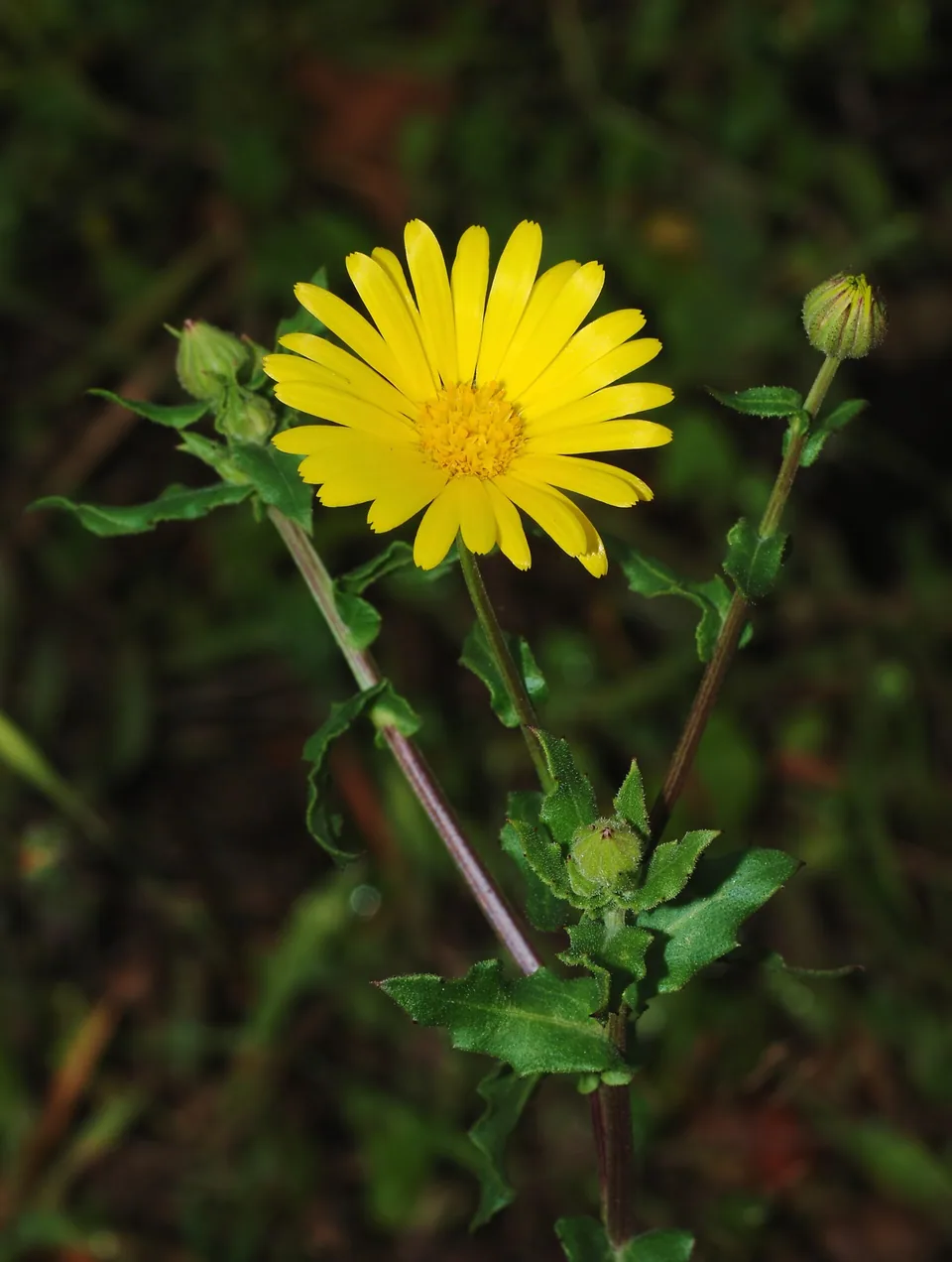
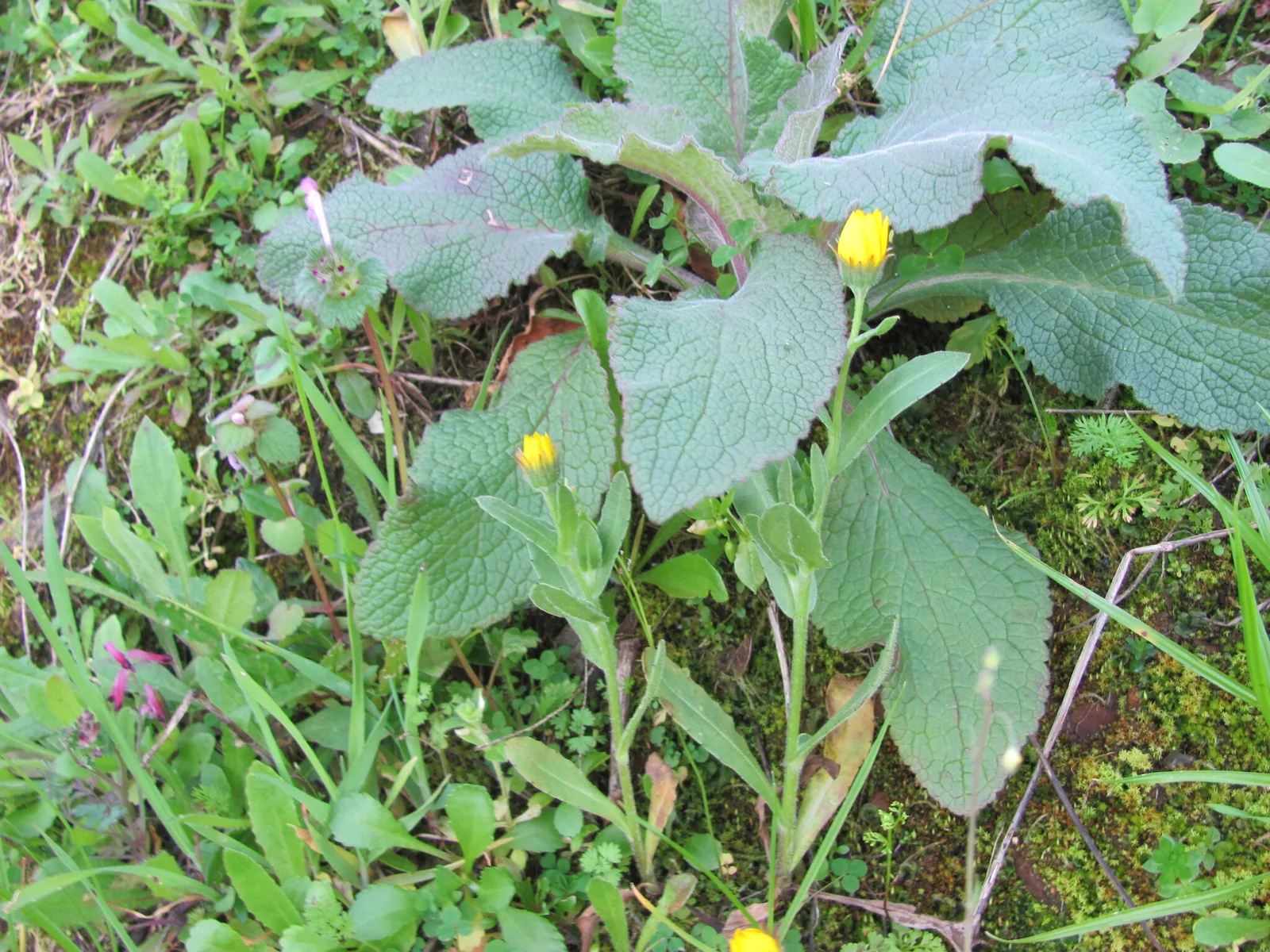
Calendula arvensis is an upright, single or multi-stemmed herbaceous annual that grows from 15 to 30 cm in height
— United States [2] - Propagation
An annual grown from seed; it self-sows freely and comes back on its own
What the sources say (3)
Propagation: Seed; self-sows freely
It reproduces via seed and is both self-compatible and pollinated by insects
— United States [2] Plants usually self-sow quite freely in the garden
— Calendula arvensis - Useful Temperate Plants [3] Life cycle: annual
This herbaceous annual has spread outside its native range in Europe and naturalized elsewhere on multiple continents
— United States [2] - Sowing
Sow in place from spring to early summer, and again in September
What the sources say (1)
Sowing: Spring to early summer, and again in September (in situ)
Seed - sow in situ from spring to early summer and again in September
— Calendula arvensis - Useful Temperate Plants [3] - Safety
No known hazards to people and no evidence of harm to animals
Overview
Field marigold is an annual considered a weed in natural systems and reproduces via seed. [2] It is also grown as an ornamental in gardens, succeeding in any well-drained soil and self-sowing freely. [3] It prefers warm, loose, mainly sandy loams and grows on open or disturbed soils. [2]
This record is incomplete: the sources we read do not cover every field yet.
Not yet covered by our sources: Hardiness, warmest zone
Field marigold care
How to water Field marigold
The sources give different values depending on region, zone or growing conditions.
What each source says
According to Practical Plants: Moderate water; drought intolerant
According to USDA APHIS: Tolerates or prefers dry soils
How much light Field marigold needs
Sunny or at least partially sunny position
How much cold Field marigold can take
Hardiness, coldest zone
6 [winter low −23.3 to −17.8 °C (−10 to 0 °F)]
What the sources say (1)
Hardiness
Zone 6+
Soil textures
sandy, loamy, clayHardiness, warmest zone
Not stated in the sources we read.
How to propagate Field marigold
How to grow Field marigold
The plant
Life cycle
annual
What the sources say (1)
This herbaceous annual has spread outside its native range in Europe and naturalized elsewhere on multiple continentsFamily
Asteraceae
What the sources say (1)
Species Family: Asteraceae Information Synonyms: Calendula aegyptiaca Pers., C. gracilis DC.Mature height
15-30 cm [6–12 in]
What the sources say (1)
Calendula arvensis is an upright, single or multi-stemmed herbaceous annual that grows from 15 to 30 cm in heightRemedies
Each remedy shows what official sources say about it; traditional remedies without an official source are marked as such. Harmful ones are listed so you know to avoid them.
Getting rid of it
weedy field marigold
hand pulling and bagging plants Official source, not independently tested
How: Pull plants by hand and bag them to avoid spread.
he refers to it as a strong competitor and controls it through hand pulling and bagging the plants to avoid spread
— United States [2]
Is Field marigold toxic to pets?
Reported by the source, quoted verbatim. This is not medical or veterinary advice: if a person or an animal may have eaten this plant, contact a poison control centre or a veterinarian.
Animals
We found no evidence of toxicity to animals.
[2]The source flags the risk for this animal but does not explain why.
People
## Known Hazards None known
[3]
Calendar
Spring to early summer, and again in September (in situ)
What the sources say (1)
Seed - sow in situ from spring to early summer and again in SeptemberMonths as given by the sources, which are mostly from the United States (northern hemisphere). In the southern hemisphere they shift by about six months.
Edibility
Reported by the source, quoted verbatim. Do not eat a plant on the basis of this page alone: identification mistakes can be dangerous.
Similar plants
- Calendula Calendula officinalis
- African Daisy Dimorphotheca pluvialis
- African Marigold Tagetes erecta
- Ageratum Ageratum houstonianum
- Alpine aster Aster alpinus
- American Burnweed Erechtites hieraciifolius
- Appalachian Blazing Star Liatris squarrulosa
- Appalachian Ironweed Vernonia glauca
Sources
Every value above is quoted from these documents. Links lead to the original publisher.
- Calendula arvensis L. - Herbari Virtual del Mediterrani Occidental · herbarivirtual.uib.cat, consulted
- United States · aphis.usda.gov, consulted
- Calendula arvensis - Useful Temperate Plants · temperate.theferns.info, consulted
- Field Marigold (Calendula arvensis) — Practical Plants · practicalplants.org, consulted
- Plants of Hawai'i | Bishop Museum · plantsofhawaii.org, consulted
- Calendula arvensis (Field Marigold) - World of Flowering Plants · worldoffloweringplants.com, consulted
Written by Emilio Marruso · last checked