
How to Grow and Care for Dusty Miller
Centaurea cineraria
Written by Emilio Marruso · last checked
At a glance
Centaurea cineraria is an easygoing plant for bright spots: it grows in full sun to partial shade, and once established it handles dry spells. Give it well-drained, moderately rich soil and plenty of sun to keep it compact, 6 inches to 2 feet tall. It also thrives in containers, and you can start new plants from seed or summer cuttings.
- Sun
Full sun to partial shade
What the sources say (2)
Light: Full sun to partial shade
Light: Full sun (6 or more hours of direct sunlight a day) Partial Shade (Direct sunlight only part of the day, 2-6 hours)
— Centaurea cineraria (Dusty Miller, Silver Dust, Silver Ragwort) | North Carolina Extension Gardener Plant Toolbox [1] It will tolerate poor soils and partial shade but can become leggy.
— Centaurea cineraria (Dusty Miller, Silver Dust, Silver Ragwort) | North Carolina Extension Gardener Plant Toolbox [1] - Water
Likes moist soil but handles drought once established
What the sources say (2)
Watering: Drought tolerant when established
It will tolerate poor soils and partial shade but can become leggy. It is drought tolerant when established,
— Centaurea cineraria (Dusty Miller, Silver Dust, Silver Ragwort) | North Carolina Extension Gardener Plant Toolbox [1] Watering notes: Prefers moist, well-drained, moderately rich soils
Dusty miller prefers moist, well-drained, moderately rich soils in full sun.
— Centaurea cineraria (Dusty Miller, Silver Dust, Silver Ragwort) | North Carolina Extension Gardener Plant Toolbox [1] - Cold
Survives winters down to 10 °F (−12.2 °C)
Hardy in cold winters · USDA 8a · RHS H5 · Z8
What the sources say (2)
Hardiness, coldest zone: 8a [winter low −12.2 to −9.4 °C (10 to 15 °F)]
USDA Plant Hardiness Zone: 8a, 8b, 9a, 9b, 10a, 10b
— Centaurea cineraria (Dusty Miller, Silver Dust, Silver Ragwort) | North Carolina Extension Gardener Plant Toolbox [1] Hardiness, warmest zone: 10b [winter low 1.7 to 4.4 °C (35 to 40 °F)]
USDA Plant Hardiness Zone: 8a, 8b, 9a, 9b, 10a, 10b
— Centaurea cineraria (Dusty Miller, Silver Dust, Silver Ragwort) | North Carolina Extension Gardener Plant Toolbox [1] - Soil
Well-drained, moderately rich soil, pH up to 6.0
What the sources say (2)
Watering notes: Prefers moist, well-drained, moderately rich soils
Dusty miller prefers moist, well-drained, moderately rich soils in full sun.
— Centaurea cineraria (Dusty Miller, Silver Dust, Silver Ragwort) | North Carolina Extension Gardener Plant Toolbox [1] Soil pH, maximum: 6.0
Soil pH: Acid (<6.0) Soil Drainage: Good Drainage
— Centaurea cineraria (Dusty Miller, Silver Dust, Silver Ragwort) | North Carolina Extension Gardener Plant Toolbox [1] - Pruning
After a long freeze, cut back the dead leaves; new growth comes in late spring
- Watch out
In poor soil or partial shade it gets leggy: give it full sun
- Size
6 in to 2 ft tall, 1 ft to 1 ft 2 in wide
What the sources say (2)
Mature height: 15.24-60.96 cm (6 in - 2 ft)
Dimensions: Height: 0 ft. 6 in. - 2 ft. 0 in. Width: 1 ft. 0 in. - 1 ft. 2 in.
— Centaurea cineraria (Dusty Miller, Silver Dust, Silver Ragwort) | North Carolina Extension Gardener Plant Toolbox [1] Mature width: 30.48-35.56 cm (1 ft - 1 ft 2 in)
Dimensions: Height: 0 ft. 6 in. - 2 ft. 0 in. Width: 1 ft. 0 in. - 1 ft. 2 in.
— Centaurea cineraria (Dusty Miller, Silver Dust, Silver Ragwort) | North Carolina Extension Gardener Plant Toolbox [1] - Propagation
From seed or from tip cuttings taken in summer
What the sources say (1)
Propagation: Seed; stem cuttings (summer tip cuttings from semi-hard wood)
The plant can be grown from seed or cuttings. In the summer, take tip cuttings from semi-hard wood.
— Centaurea cineraria (Dusty Miller, Silver Dust, Silver Ragwort) | North Carolina Extension Gardener Plant Toolbox [1] - Containers
Grows in containers too
What the sources say (1)
In containers: Yes
Use dusty miller in a container, as an edging plant along sidewalks, for accent, or on slopes.
— Centaurea cineraria (Dusty Miller, Silver Dust, Silver Ragwort) | North Carolina Extension Gardener Plant Toolbox [1]
Overview
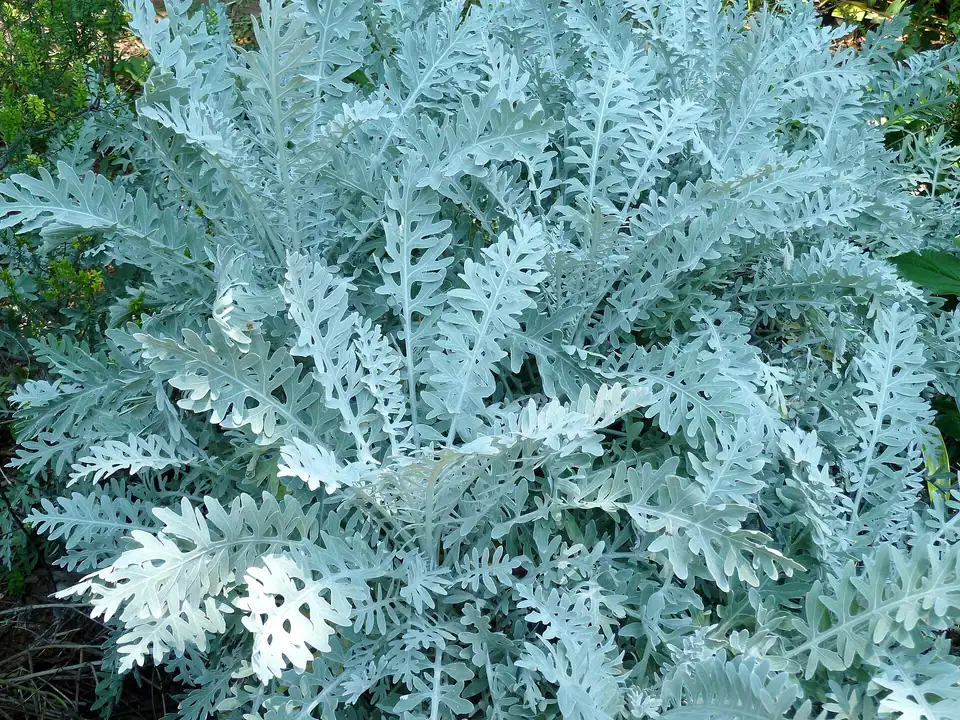
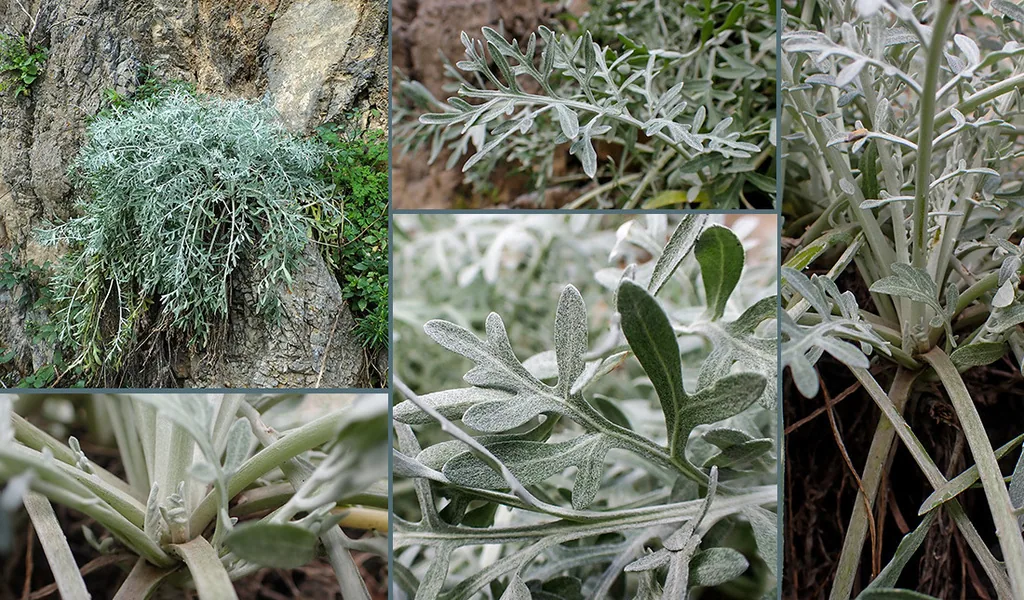
Dusty miller is an herbaceous sub-shrub from the Mediterranean region grown for its dense, downy, gray-green foliage. [1] It prefers moist, well-drained soils in full sun, tolerates partial shade, and is drought tolerant when established. [1] It is used in containers, as an edging plant, for accent, or on slopes, and can be grown from seed or cuttings. [1]
This record is incomplete: the sources we read do not cover every field yet.
Not yet covered by our sources: Pruning
Dusty Miller care
How to water Dusty Miller
Watering
Drought tolerant when established
What the sources say (1)
It will tolerate poor soils and partial shade but can become leggy. It is drought tolerant when established,Watering notes
Prefers moist, well-drained, moderately rich soils
What the sources say (1)
Dusty miller prefers moist, well-drained, moderately rich soils in full sun.How much light Dusty Miller needs
Full sun to partial shade
What the sources say (2)
Light:
Full sun (6 or more hours of direct sunlight a day)
Partial Shade (Direct sunlight only part of the day, 2-6 hours)It will tolerate poor soils and partial shade but can become leggy.How much cold Dusty Miller can take
Hardiness, coldest zone
8a [winter low −12.2 to −9.4 °C (10 to 15 °F)]
What the sources say (1)
USDA Plant Hardiness Zone:
8a, 8b, 9a, 9b, 10a, 10bHardiness, warmest zone
10b [winter low 1.7 to 4.4 °C (35 to 40 °F)]
What the sources say (1)
USDA Plant Hardiness Zone:
8a, 8b, 9a, 9b, 10a, 10bBest soil for Dusty Miller
6.0
What the sources say (1)
Soil pH:
Acid (<6.0)
Soil Drainage:
Good DrainageWhere to grow Dusty Miller
Yes
What the sources say (1)
Use dusty miller in a container, as an edging plant along sidewalks, for accent, or on slopes.How to propagate Dusty Miller
Seed; stem cuttings (summer tip cuttings from semi-hard wood)
What the sources say (1)
The plant can be grown from seed or cuttings. In the summer, take tip cuttings from semi-hard wood.How to grow Dusty Miller
The plant
Life cycle
annual or perennial
What the sources say (1)
It is hardy in zones 8 to 10 and can be grown as an annual or perennial.Family
Asteraceae
What the sources say (1)
Dusty miller is an herbaceous sub-shrub in the Asteraceae (aster) family and native to the Mediterranean region.Mature height
15.24-60.96 cm (6 in - 2 ft)
What the sources say (1)
Dimensions: Height: 0 ft. 6 in. - 2 ft. 0 in. Width: 1 ft. 0 in. - 1 ft. 2 in.Mature width
30.48-35.56 cm (1 ft - 1 ft 2 in)
What the sources say (1)
Dimensions: Height: 0 ft. 6 in. - 2 ft. 0 in. Width: 1 ft. 0 in. - 1 ft. 2 in.Dusty Miller pests and problems
Legginess
Symptom: Plants can become leggy in poor soils and partial shade.
What to do: Grow in full sun.
What the sources say (1)
Dusty miller prefers moist, well-drained, moderately rich soils in full sun. It will tolerate poor soils and partial shade but can become leggy.
— Centaurea cineraria (Dusty Miller, Silver Dust, Silver Ragwort) | North Carolina Extension Gardener Plant Toolbox [1] Freeze dieback
Symptom: Plants die back to the crowns when temperatures are below freezing for long periods.
What to do: Dead foliage should be cut back; new growth emerges in late spring.
What the sources say (1)
will die back to the crowns when temperatures are below freezing for long periods of time. Dead foliage should be cut back. New growth will emerge in late spring.
— Centaurea cineraria (Dusty Miller, Silver Dust, Silver Ragwort) | North Carolina Extension Gardener Plant Toolbox [1]
Remedies
Each remedy shows what official sources say about it; traditional remedies without an official source are marked as such. Harmful ones are listed so you know to avoid them.
Treating the plant
aphids
insecticidal soap Official source, not independently tested
How: Apply on the foliage.
Insecticidal soap or ultra-fine horticultural oil, which are among the compounds registered for control of this pest in Connecticut, can be applied to control aphids on foliage.
— portal.ct.gov [4] ultra-fine horticultural oil Official source, not independently tested
How: Apply on the foliage.
Insecticidal soap or ultra-fine horticultural oil, which are among the compounds registered for control of this pest in Connecticut, can be applied to control aphids on foliage.
— portal.ct.gov [4]
Calendar
Pruning
Not stated in the sources we read.
Months as given by the sources, which are mostly from the United States (northern hemisphere). In the southern hemisphere they shift by about six months.
Similar plants
- Cornflower Centaurea cyanus
- Mountain Bluet Centaurea montana
- Spotted Knapweed Centaurea maculosa
- Yellow Star Thistle Centaurea solstitialis
- Brown knapweed Centaurea jacea
- Bighead knapweed Centaurea macrocephala
- Tyrol knapweed Centaurea nigrescens
- Whitewash cornflower Centaurea dealbata
Sources
Every value above is quoted from these documents. Links lead to the original publisher.
- Centaurea cineraria (Dusty Miller, Silver Dust, Silver Ragwort) | North Carolina Extension Gardener Plant Toolbox · plants.ces.ncsu.edu, consulted
- Dusty Miller - Centaurea cineraria | North Carolina Extension Gardener Plant Toolbox · plants.ces.ncsu.edu, consulted
- Silver Dust - Centaurea cineraria | North Carolina Extension Gardener Plant Toolbox · plants.ces.ncsu.edu, consulted
- portal.ct.gov · portal.ct.gov
Written by Emilio Marruso · last checked