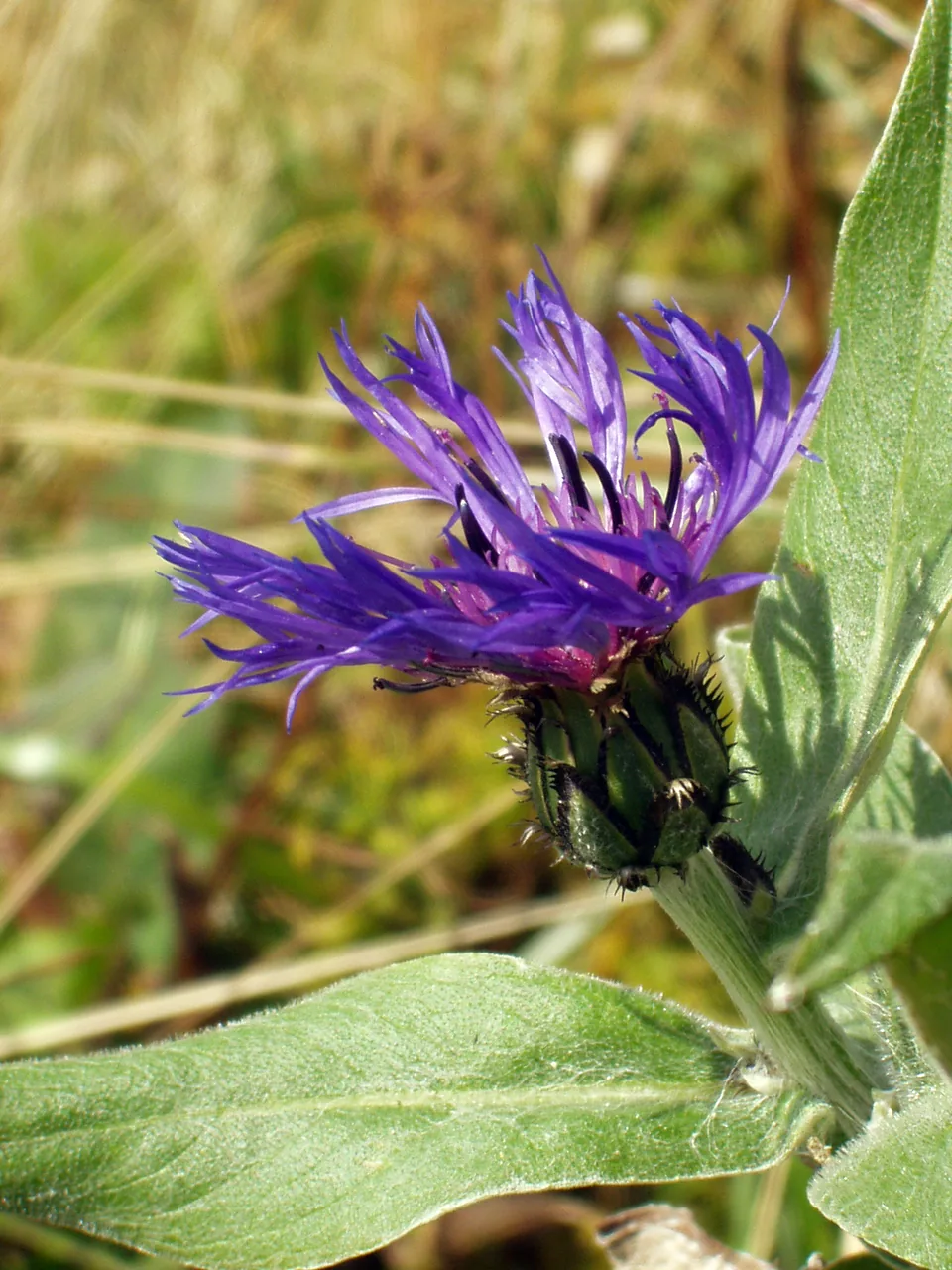
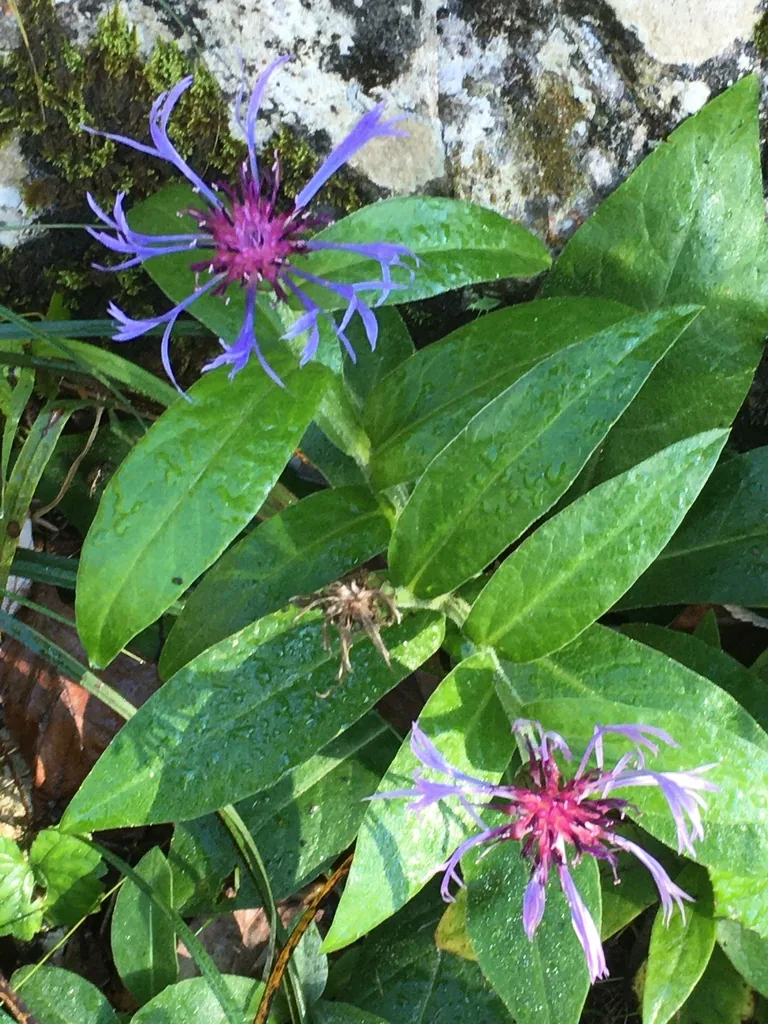

How to Grow and Care for Mountain Bluet
Centaurea montana
Written by Emilio Marruso · last checked
At a glance
This perennial from the daisy family comes back year after year and stays compact, growing 1 to 2 feet tall and 1 to 1.5 feet wide. Give it a spot in full sun, with 6 or more hours of direct light a day. Best of all, it's easy to share: divide the clumps, sow its seed or replant the runners it sends out.
- Sun
Full sun: 6 or more hours of direct sunlight a day
What the sources say (1)
Light: Full sun (6 or more hours of direct sunlight a day)
Light: Full sun (6 or more hours of direct sunlight a day)
— Centaurea montana (Mountain Bluet, Perennial Bachelor's Button, Perennial Cornflower) | North Carolina Extension Gardener Plant Toolbox [1] - Cold
Survives winters down to −40 °F (−40 °C)
Very hardy · USDA 3a · RHS H7 · Z3
What the sources say (2)
Hardiness, coldest zone: 3a [winter low −40 to −37.2 °C (−40 to −35 °F)]
USDA Plant Hardiness Zone: 3a, 3b, 4a, 4b, 5a, 5b, 6a, 6b, 7a, 7b, 8a, 8b
— Centaurea montana (Mountain Bluet, Perennial Bachelor's Button, Perennial Cornflower) | North Carolina Extension Gardener Plant Toolbox [1] Hardiness, warmest zone: 8b [winter low −9.4 to −6.7 °C (15 to 20 °F)]
USDA Plant Hardiness Zone: 3a, 3b, 4a, 4b, 5a, 5b, 6a, 6b, 7a, 7b, 8a, 8b
— Centaurea montana (Mountain Bluet, Perennial Bachelor's Button, Perennial Cornflower) | North Carolina Extension Gardener Plant Toolbox [1] - Size
1 to 2 ft tall and 1 to 1.5 ft wide
What the sources say (2)
Mature height: 30-61 cm (1 to 2 feet)
Dimensions: Height: 1 ft. 0 in. - 2 ft. 0 in. Width: 1 ft. 0 in. - 1 ft. 6 in.
— Centaurea montana (Mountain Bluet, Perennial Bachelor's Button, Perennial Cornflower) | North Carolina Extension Gardener Plant Toolbox [1] Mature width: 30-46 cm (1 to 1.5 feet)
Dimensions: Height: 1 ft. 0 in. - 2 ft. 0 in. Width: 1 ft. 0 in. - 1 ft. 6 in.
— Centaurea montana (Mountain Bluet, Perennial Bachelor's Button, Perennial Cornflower) | North Carolina Extension Gardener Plant Toolbox [1] - Propagation
Divide the clumps, sow seed or replant its runners
What the sources say (2)
Propagation: Division, seed, stolons
It propagates two ways: by stolons, which rapidly form colonies when optimum growing conditions exist, or by seed.
— Centaurea montana (Mountain Bluet, Perennial Bachelor's Button, Perennial Cornflower) | North Carolina Extension Gardener Plant Toolbox [1] Recommended Propagation Strategy: Division Seed Country Or Region Of Origin
— Centaurea montana (Mountain Bluet, Perennial Bachelor's Button, Perennial Cornflower) | North Carolina Extension Gardener Plant Toolbox [1]
Overview
Mountain bluet is an erect, clump-forming perennial flower native to Europe. [1] It is grown in average, dry to medium moisture, well-drained soils in full sun and is drought tolerant. [1] It spreads by stolons or seed, and plants need to be divided every 2-3 years. [1]
This record is incomplete: the sources we read do not cover every field yet.
Not yet covered by our sources: Watering, Pruning
Mountain Bluet care
How to water Mountain Bluet
Not stated in the sources we read.
How much light Mountain Bluet needs
Full sun (6 or more hours of direct sunlight a day)
What the sources say (1)
Light:
Full sun (6 or more hours of direct sunlight a day)How much cold Mountain Bluet can take
Hardiness, coldest zone
3a [winter low −40 to −37.2 °C (−40 to −35 °F)]
What the sources say (1)
USDA Plant Hardiness Zone:
3a, 3b, 4a, 4b, 5a, 5b, 6a, 6b, 7a, 7b, 8a, 8bHardiness, warmest zone
8b [winter low −9.4 to −6.7 °C (15 to 20 °F)]
What the sources say (1)
USDA Plant Hardiness Zone:
3a, 3b, 4a, 4b, 5a, 5b, 6a, 6b, 7a, 7b, 8a, 8bHow to propagate Mountain Bluet
Division, seed, stolons
What the sources say (2)
It propagates two ways: by stolons, which rapidly form colonies when optimum growing conditions exist, or by seed.Recommended Propagation Strategy:
Division
Seed
Country Or Region Of OriginHow to grow Mountain Bluet
The plant
Life cycle
perennial
What the sources say (1)
Genus: Centaurea Species: montana Family: Asteraceae Uses (Ethnobotany): Borders, cottage gardens and naturalized areas Life Cycle: PerennialFamily
Asteraceae
What the sources say (1)
Genus: Centaurea Species: montana Family: Asteraceae Uses (Ethnobotany): Borders, cottage gardens and naturalized areas Life Cycle: PerennialMature height
30-61 cm (1 to 2 feet)
What the sources say (1)
Dimensions: Height: 1 ft. 0 in. - 2 ft. 0 in. Width: 1 ft. 0 in. - 1 ft. 6 in.Mature width
30-46 cm (1 to 1.5 feet)
What the sources say (1)
Dimensions: Height: 1 ft. 0 in. - 2 ft. 0 in. Width: 1 ft. 0 in. - 1 ft. 6 in.Remedies
Each remedy shows what official sources say about it; traditional remedies without an official source are marked as such. Harmful ones are listed so you know to avoid them.
Treating the plant
powdery mildew
removing infected plant parts Official source, not independently tested
How: Remove and destroy infected plant parts if practical; keep air circulation good and humidity low.
Remove and destroy infected plant parts if practical.
— pnwhandbooks.org [3]
Getting rid of it
invasive escape
pulling, cutting or mowing before seed Not verified
Traditional remedy, not verified by an official source.
How: Before seed production pull, cut or mow; if flowers are present dispose of the plants properly; remove as much of the root as possible.
hand pulling or digging out Not verified
Traditional remedy, not verified by an official source.
How: Small infestations can be hand pulled or dug out when plants are young, removing the whole root because seedlings can regenerate from root fragments.
Calendar
Pruning
Not stated in the sources we read.
Months as given by the sources, which are mostly from the United States (northern hemisphere). In the southern hemisphere they shift by about six months.
Indicative values
Values from a secondary source, not checked word for word like the rest of this page. Use them as a starting point.
- Hours of sun
- 6-8 hoursIndicative value, adapt it to your climate · Secondary source
- Watering
- MinimumIndicative value, adapt it to your climate · Secondary source
- Drought tolerant
- yesIndicative value, adapt it to your climate · Secondary source
- Soil
- Well-drainedIndicative value, adapt it to your climate · Secondary source
- Soil pH
- 6-7.5Indicative value, adapt it to your climate · Secondary source
- Care level
- MediumIndicative value, adapt it to your climate · Secondary source
- Growth rate
- ModerateIndicative value, adapt it to your climate · Secondary source
- Pruning
- May, June, JulyIndicative value, adapt it to your climate · Secondary source
- Pests
- Blight, needle cast, Mildew, Mold, Rabbit resistantIndicative value, adapt it to your climate · Secondary source
Similar plants
- Cornflower Centaurea cyanus
- Dusty Miller Centaurea cineraria
- Spotted Knapweed Centaurea maculosa
- Yellow Star Thistle Centaurea solstitialis
- Brown knapweed Centaurea jacea
- Bighead knapweed Centaurea macrocephala
- Tyrol knapweed Centaurea nigrescens
- Whitewash cornflower Centaurea dealbata
Sources
Every value above is quoted from these documents. Links lead to the original publisher.
- Centaurea montana (Mountain Bluet, Perennial Bachelor's Button, Perennial Cornflower) | North Carolina Extension Gardener Plant Toolbox · plants.ces.ncsu.edu, consulted
- Mountain Bluet - Centaurea montana | North Carolina Extension Gardener Plant Toolbox · plants.ces.ncsu.edu, consulted
- pnwhandbooks.org · pnwhandbooks.org
Written by Emilio Marruso · last checked