
How to Grow and Care for Pink Sundew
Drosera capillaris
Written by Emilio Marruso · last checked
At a glance
This tiny plant catches insects and feeds itself, so it never needs fertilizer. Give it full sun and keep its nutrient-free mix moist with rainwater or distilled water, and it will thrive in a small pot, even indoors. At just 1 inch tall, it fits on any windowsill, and when it fades after flowering, you can save its seeds and start again.
- Sun
Full sun
What the sources say (2)
Light: Full sun
Light: Full sun (6 or more hours of direct sunlight a day)
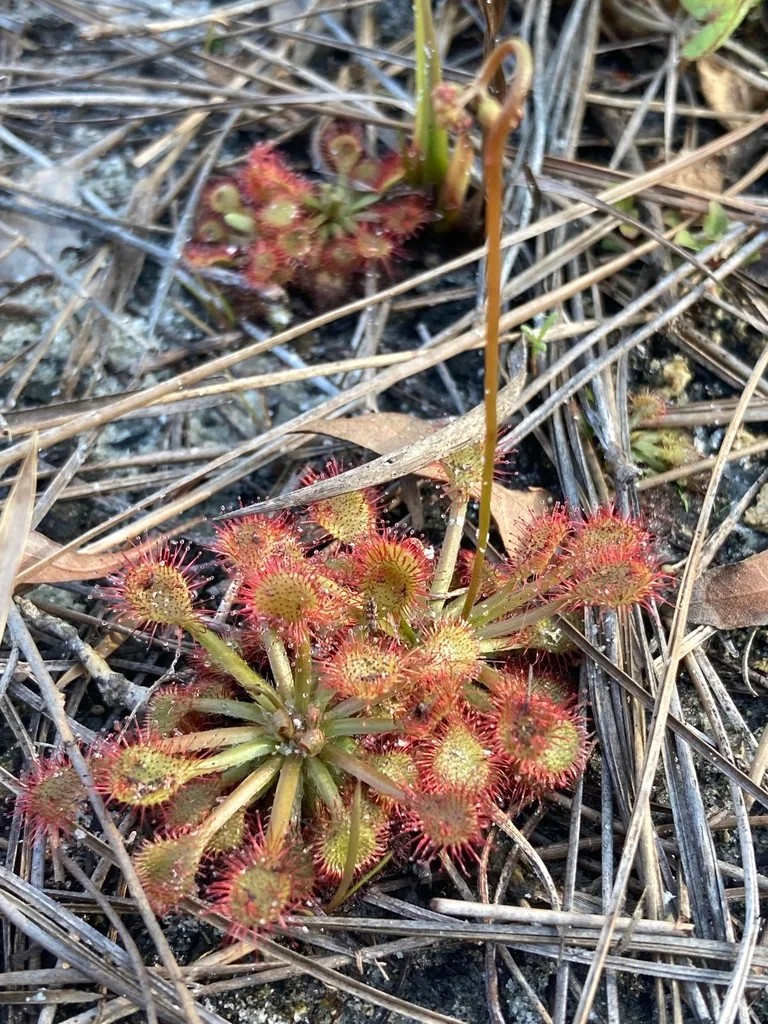
— Drosera capillaris (Bog Sundew, Pink Sundew) | North Carolina Extension Gardener Plant Toolbox [1] If placed in full sun, the entire plant will appear red in color.
— Drosera capillaris (Bog Sundew, Pink Sundew) | North Carolina Extension Gardener Plant Toolbox [1] - Water
Keep moist with rainwater or distilled water; set the pot in a tray of distilled water
What the sources say (2)
Watering: Keep the nutrient-free growing medium moist with distilled water or rainwater
Like all carnivorous plants, it grows best in a nutrient-free medium that is kept moist with distilled water or rainwater.
— Drosera capillaris (Bog Sundew, Pink Sundew) | North Carolina Extension Gardener Plant Toolbox [1] Watering notes: Place the plant in a small pot and set the pot in a tray of distilled water
Place the plant in a small pot and set the pot in a tray of distilled water.
— Drosera capillaris (Bog Sundew, Pink Sundew) | North Carolina Extension Gardener Plant Toolbox [1] - Cold
Survives winters down to 10 °F (−12.2 °C)
Hardy in cold winters · USDA 8a · RHS H5 · Z8
What the sources say (2)
Hardiness, coldest zone: 8a [winter low −12.2 to −9.4 °C (10 to 15 °F)]
USDA Plant Hardiness Zone: 8a, 8b, 9a, 9b, 10a, 10b
— Drosera capillaris (Bog Sundew, Pink Sundew) | North Carolina Extension Gardener Plant Toolbox [1] Hardiness, warmest zone: 10b [winter low 1.7 to 4.4 °C (35 to 40 °F)]
USDA Plant Hardiness Zone: 8a, 8b, 9a, 9b, 10a, 10b
— Drosera capillaris (Bog Sundew, Pink Sundew) | North Carolina Extension Gardener Plant Toolbox [1] - Soil
Nutrient-free mix, pH no higher than 6.0
What the sources say (2)
Watering: Keep the nutrient-free growing medium moist with distilled water or rainwater
Like all carnivorous plants, it grows best in a nutrient-free medium that is kept moist with distilled water or rainwater.
— Drosera capillaris (Bog Sundew, Pink Sundew) | North Carolina Extension Gardener Plant Toolbox [1] Soil pH, maximum: 6.0
Soil pH: Acid (<6.0)
— Drosera capillaris (Bog Sundew, Pink Sundew) | North Carolina Extension Gardener Plant Toolbox [1] - Feeding
Never feed it: it gets its food from the insects it traps
What the sources say (2)
Avoid: Do not fertilize: it gets its nutrients from the insects it traps
Do not fertilize the plant; it will get all the nutrients it needs from the insects it traps.
— Drosera capillaris (Bog Sundew, Pink Sundew) | North Carolina Extension Gardener Plant Toolbox [1] Do not apply fertilizers and always use rainwater or distilled water for irrigation.
— Drosera (Sundew) | North Carolina Extension Gardener Plant Toolbox [4] - Watch out
Short-lived: it can fade after flowering, so save its seeds
What the sources say (1)
Life cycle: annual or short-lived herbaceous perennial
Pink sundew is a native annual or short-lived herbaceous perennial found in wet, peaty, pine savannas.
— Drosera capillaris (Bog Sundew, Pink Sundew) | North Carolina Extension Gardener Plant Toolbox [1] - Size
1 inch tall and 1–3 inches wide
What the sources say (2)
Mature height: 2.5 cm (1 in)
Height: 0 ft. 1 in. - 0 ft. 1 in.
— Drosera capillaris (Bog Sundew, Pink Sundew) | North Carolina Extension Gardener Plant Toolbox [1] Mature width: 2.5-7.6 cm (1-3 in)
Width: 0 ft. 1 in. - 0 ft. 3 in.
— Drosera capillaris (Bog Sundew, Pink Sundew) | North Carolina Extension Gardener Plant Toolbox [1] - Propagation
From seed: after flowering, save the seeds and start new plants
What the sources say (3)
Propagation: Seed
Recommended Propagation Strategy: Seed
— Drosera capillaris (Bog Sundew, Pink Sundew) | North Carolina Extension Gardener Plant Toolbox [1] After flowering, the plant can decline. When this happens, it is a good idea to save seeds and start new plants.
— Drosera capillaris (Bog Sundew, Pink Sundew) | North Carolina Extension Gardener Plant Toolbox [1] Saving seeds: After flowering, when the plant declines, save seeds and start new plants
After flowering, the plant can decline. When this happens, it is a good idea to save seeds and start new plants.
— Drosera capillaris (Bog Sundew, Pink Sundew) | North Carolina Extension Gardener Plant Toolbox [1] - Containers
Grows well in a small pot, indoors too
What the sources say (5)
In containers: Yes
It makes an ideal plant for a pot, either inside or outside.
— Drosera capillaris (Bog Sundew, Pink Sundew) | North Carolina Extension Gardener Plant Toolbox [1] Place the plant in a small pot and set the pot in a tray of distilled water.
— Drosera capillaris (Bog Sundew, Pink Sundew) | North Carolina Extension Gardener Plant Toolbox [1] Indoors: Yes
It makes an ideal plant for a pot, either inside or outside.
— Drosera capillaris (Bog Sundew, Pink Sundew) | North Carolina Extension Gardener Plant Toolbox [1] it can continue to grow through the winter if kept in a warm and bright location such as a greenhouse or indoors.
— Drosera capillaris (Bog Sundew, Pink Sundew) | North Carolina Extension Gardener Plant Toolbox [1] Watering notes: Place the plant in a small pot and set the pot in a tray of distilled water
Place the plant in a small pot and set the pot in a tray of distilled water.
— Drosera capillaris (Bog Sundew, Pink Sundew) | North Carolina Extension Gardener Plant Toolbox [1]
Overview
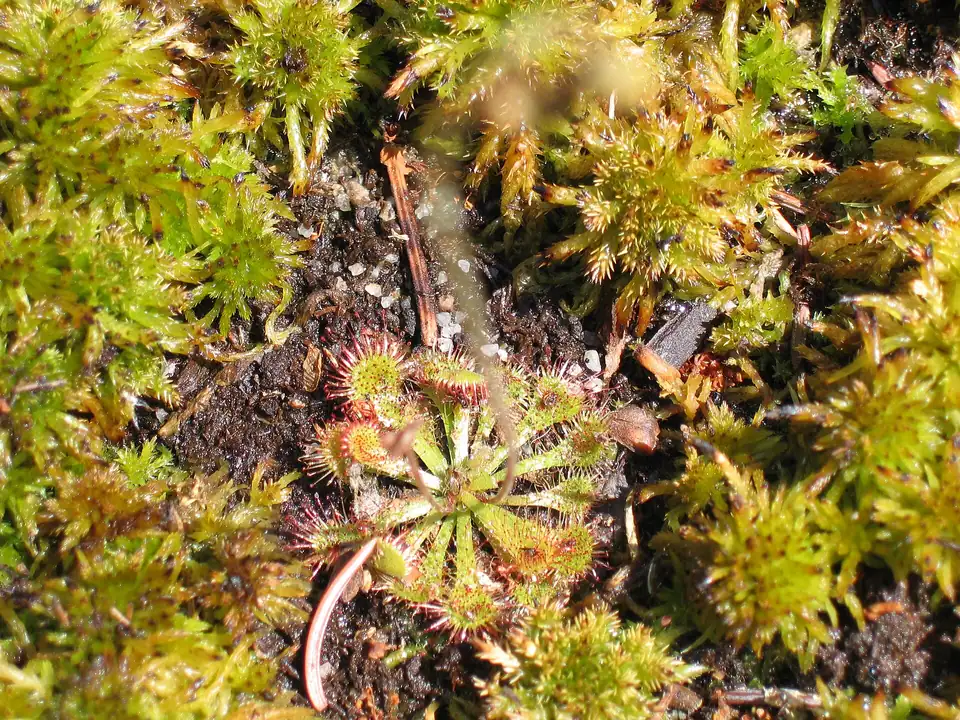
Pink sundew is a native annual or short-lived herbaceous perennial found in wet, peaty, pine savannas. [1] It grows best in a nutrient-free medium kept moist with distilled water or rainwater and is not fertilized. [1] It suits a small pot, indoors or outdoors, and a terrarium. [1]
This record is incomplete: the sources we read do not cover every field yet.
Not yet covered by our sources: Pruning
Pink Sundew care
How to water Pink Sundew
Watering
Keep the nutrient-free growing medium moist with distilled water or rainwater
What the sources say (1)
Like all carnivorous plants, it grows best in a nutrient-free medium that is kept moist with distilled water or rainwater.Watering notes
Place the plant in a small pot and set the pot in a tray of distilled water
What the sources say (1)
Place the plant in a small pot and set the pot in a tray of distilled water.How much light Pink Sundew needs
Full sun
What the sources say (2)
Light:
Full sun (6 or more hours of direct sunlight a day)If placed in full sun, the entire plant will appear red in color.How much cold Pink Sundew can take
Hardiness, coldest zone
8a [winter low −12.2 to −9.4 °C (10 to 15 °F)]
What the sources say (1)
USDA Plant Hardiness Zone:
8a, 8b, 9a, 9b, 10a, 10bHardiness, warmest zone
10b [winter low 1.7 to 4.4 °C (35 to 40 °F)]
What the sources say (1)
USDA Plant Hardiness Zone:
8a, 8b, 9a, 9b, 10a, 10bBest soil for Pink Sundew
6.0
What the sources say (1)
Soil pH:
Acid (<6.0)Where to grow Pink Sundew
Indoors
Yes
What the sources say (2)
It makes an ideal plant for a pot, either inside or outside.it can continue to grow through the winter if kept in a warm and bright location such as a greenhouse or indoors.In containers
Yes
What the sources say (2)
It makes an ideal plant for a pot, either inside or outside.Place the plant in a small pot and set the pot in a tray of distilled water.How to propagate Pink Sundew
Seed
What the sources say (2)
Recommended Propagation Strategy:
SeedAfter flowering, the plant can decline. When this happens, it is a good idea to save seeds and start new plants.How to grow Pink Sundew
The plant
Life cycle
annual or short-lived herbaceous perennial
What the sources say (1)
Pink sundew is a native annual or short-lived herbaceous perennial found in wet, peaty, pine savannas.Family
Droseraceae
What the sources say (1)
It is a member of the sundew family (Droseraceae).Mature height
2.5 cm (1 in)
What the sources say (1)
Height: 0 ft. 1 in. - 0 ft. 1 in.Mature width
2.5-7.6 cm (1-3 in)
What the sources say (1)
Width: 0 ft. 1 in. - 0 ft. 3 in.Harvest and storage
Saving seeds
After flowering, when the plant declines, save seeds and start new plants
What the sources say (1)
After flowering, the plant can decline. When this happens, it is a good idea to save seeds and start new plants.Fertilizing
Avoid
Do not fertilize: it gets its nutrients from the insects it traps
What the sources say (2)
Do not fertilize the plant; it will get all the nutrients it needs from the insects it traps.Do not apply fertilizers and always use rainwater or distilled water for irrigation.Pink Sundew pests and problems
Decline after flowering
Symptom: The plant can decline after flowering; the species is short-lived
What to do: Save seeds and start new plants
What the sources say (1)
After flowering, the plant can decline. When this happens, it is a good idea to save seeds and start new plants.
— Drosera capillaris (Bog Sundew, Pink Sundew) | North Carolina Extension Gardener Plant Toolbox [1]
Remedies
Each remedy shows what official sources say about it; traditional remedies without an official source are marked as such. Harmful ones are listed so you know to avoid them.
Treating the plant
aphids
submerging the plant in distilled water Not verified
Traditional remedy, not verified by an official source.
How: Submerge the entire plant, pot and all, in distilled water for about 24 hours, let the soil drain, and repeat if more aphids appear within a few days.
neem oil spray Not verified
Traditional remedy, not verified by an official source.
How: If submerging fails to rid the plant of the infestation, apply a light spray of neem oil.
fungus gnats
yellow sticky traps Works
How: Place yellow sticky traps near the base of the plants and replace as needed to catch adult gnats.
Yellow sticky traps, available at garden centers or online, easily catch adult fungus gnats.
— extension.umn.edu [5] What the evidence says Yellow sticky traps are effective at capturing fungus gnats.
— extension.umn.edu [5] cinnamon dusting Not verified
Traditional remedy, not verified by an official source.
How: Apply a liberal dusting of cinnamon on the soil surface to smother the larvae and discourage adults from laying eggs.
bacillus thuringiensis Works
How: Add a product containing Bacillus thuringiensis, a bacterium ingested by the larvae that kills them.
You can also add a product containing Bacillus thuringiensis , a type of bacteria that is ingested by the pests as they feed, killing them.
— gardenerspath.com [6] What the evidence says A natural bacterium called Bacillus thuringiensis var. israelensis (BTI), found in mosquito dunks, works against fungus gnat larvae.
— extension.umn.edu [5]
Calendar
Pruning
Not stated in the sources we read.
Months as given by the sources, which are mostly from the United States (northern hemisphere). In the southern hemisphere they shift by about six months.
Similar plants
- Roundleaf Sundew Drosera rotundifolia
- Spoonleaf Sundew Drosera intermedia
- Sundew Drosera filiformis
- Cape sundew Drosera capensis
- Venus flytrap Dionaea muscipula
- Abies grandis Abies grandis
- Abraham Trachystemon orientalis
- Abyssinian banana Ensete ventricosum
Sources
Every value above is quoted from these documents. Links lead to the original publisher.
- Drosera capillaris (Bog Sundew, Pink Sundew) | North Carolina Extension Gardener Plant Toolbox · plants.ces.ncsu.edu, consulted
- Bog Sundew - Drosera capillaris | North Carolina Extension Gardener Plant Toolbox · plants.ces.ncsu.edu, consulted
- Sundew - Drosera | North Carolina Extension Gardener Plant Toolbox · plants.ces.ncsu.edu, consulted
- Drosera (Sundew) | North Carolina Extension Gardener Plant Toolbox · plants.ces.ncsu.edu, consulted
- extension.umn.edu · extension.umn.edu
- gardenerspath.com · gardenerspath.com
Written by Emilio Marruso · last checked