
How to Grow and Care for Flowering crabapple
Malus baccata
Written by Emilio Marruso · last checked
Toxic to: People · Why
At a glance
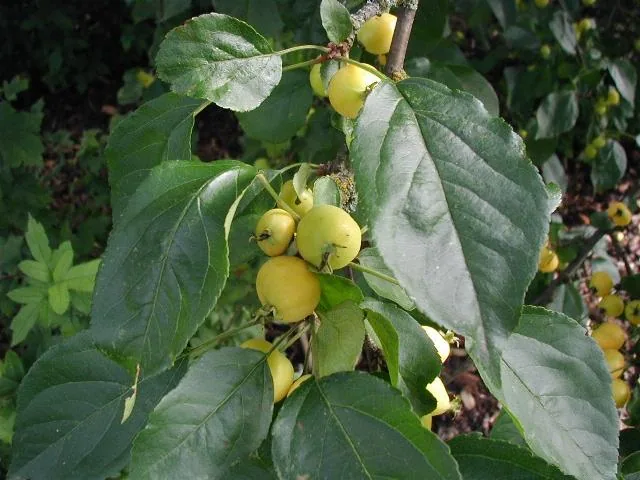
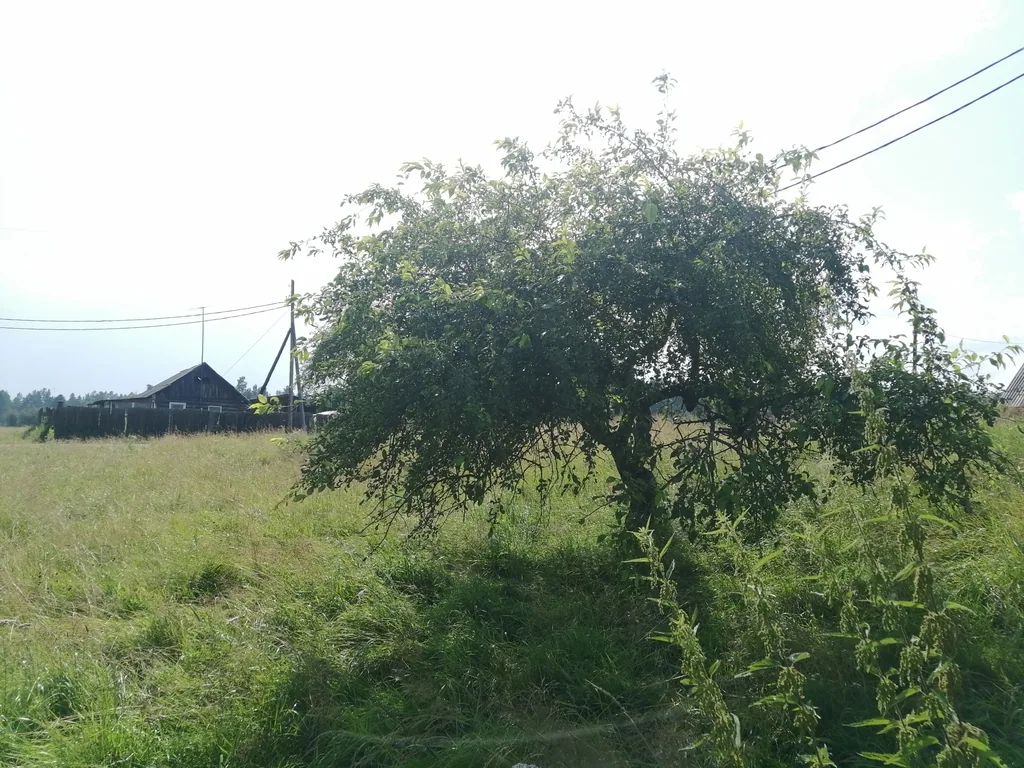
This apple tree grows into a striking tree 25 to 45 feet tall, happy in full sun or part shade. Its fruit tastes sour but is pleasant to eat, a fun treat to pick right from your own garden. You can start it from seed sown in autumn, as soon as the seed is ripe, or from cuttings of mature wood.
- Sun
Full sun to part shade
What the sources say (2)
Light: Full sun to part shade
Preferences Light: Full sun to part shade. Water: Medium. Soil: Tolerates a wide range of soils.
— NORTH DAKOTA STATE UNIVERSITY [2] Prefers a sunny position but succeeds in partial shade though it fruits less well in such a situation
— Malus baccata - Useful Temperate Plants [3] - Cold
Survives winters down to −50 °F (−45.6 °C)
Very hardy · USDA 2 · RHS H7 · Z2
What the sources say (1)
Hardiness, coldest zone: 2 [winter low −45.6 to −40 °C (−50 to −40 °F)]
General Scientific Name: Malus baccata Family: Rosaceae (Rose) Hardiness: Zone 2 Leaves: Deciduous
— NORTH DAKOTA STATE UNIVERSITY [2] - Harvest
The fruit is sour but pleasant to eat
- Size
25 to 45 ft tall
What the sources say (1)
Mature height: 762-1372 cm (25-45 ft)
Scientific Name: Malus baccata Family: Rosaceae (Rose) Hardiness: Zone 2 Leaves: Deciduous Plant Type: Tree Growth Rate: Medium Mature Height: 25’-45’
— Siberian Crabapple | NDSU Agriculture [1] - Propagation
From seed (keep stored seed 3 months at 34 °F (1 °C) first) or from cuttings of mature wood
What the sources say (1)
Propagation: Seed (stratify stored seed 3 months at 1 C); cuttings of mature wood
Cuttings of mature wood, late autumn in a frame
— Malus baccata - Useful Temperate Plants [3] - Sowing
Sow in autumn in a cold frame, as soon as the seed is ripe
What the sources say (1)
Sowing: Autumn, as soon as the seed is ripe (cold frame)
Seed - best sown as soon as it is ripe in the autumn in a cold frame.
— Malus baccata - Useful Temperate Plants [3] - Safety
Eat only the fruit: the seeds and other parts may contain poisonous compounds
Overview
Siberian crabapple is a deciduous tree with white flowers and red fruit, and is the hardiest species of Malus. [2] It grows in full sun to part shade and tolerates a wide range of soils. [2] The fruit is edible and the species is also used in ornamental landscaping. [3]
This record is incomplete: the sources we read do not cover every field yet.
Not yet covered by our sources: Watering, Hardiness, warmest zone, Pruning
Flowering crabapple care
How to water Flowering crabapple
Not stated in the sources we read.
How much light Flowering crabapple needs
Full sun to part shade
What the sources say (2)
Preferences Light: Full sun to part shade. Water: Medium. Soil: Tolerates a wide range of soils.Prefers a sunny position but succeeds in partial shade though it fruits less well in such a situationHow much cold Flowering crabapple can take
Hardiness, coldest zone
2 [winter low −45.6 to −40 °C (−50 to −40 °F)]
What the sources say (1)
General Scientific Name: Malus baccata Family: Rosaceae (Rose) Hardiness: Zone 2 Leaves: DeciduousHardiness, warmest zone
Not stated in the sources we read.
How to propagate Flowering crabapple
Seed (stratify stored seed 3 months at 1 C); cuttings of mature wood
What the sources say (1)
Cuttings of mature wood, late autumn in a frameHow to grow Flowering crabapple
The plant
Family
Rosaceae
What the sources say (1)
Scientific Name: Malus baccata Family: Rosaceae (Rose) Hardiness: Zone 2 Leaves: Deciduous Plant Type: Tree Growth Rate: Medium Mature Height: 25’-45’Mature height
762-1372 cm (25-45 ft)
What the sources say (1)
Scientific Name: Malus baccata Family: Rosaceae (Rose) Hardiness: Zone 2 Leaves: Deciduous Plant Type: Tree Growth Rate: Medium Mature Height: 25’-45’Remedies
Each remedy shows what official sources say about it; traditional remedies without an official source are marked as such. Harmful ones are listed so you know to avoid them.
Treating the plant
aphids
strong water stream Works
How: Wash aphids from foliage with a strong stream of water.
Wash aphids from foliage with a strong stream of water.
— hortsense.cahnrs.wsu.edu [6] What the evidence says Wash aphids from foliage with a strong stream of water.
— hortsense.cahnrs.wsu.edu [6] hand-wipe or prune infested tips Official source, not independently tested
How: Hand-wipe or prune to control small, localized infestations when practical.
Hand-wipe or prune to control small, localized infestations when practical.
— hortsense.cahnrs.wsu.edu [6]
fall webworm
bacillus thuringiensis Official source, not independently tested
How: Small nests can be pruned out or sprayed with Bacillus thuringiensis.
Fall webworm makes nests on the branches and feeds inside the nest. Small nests can be pruned out or sprayed with Bacillus thuringiensis .
— edis.ifas.ufl.edu [7]
tent caterpillar
pull out the nest and crush the caterpillars Official source, not independently tested
Do not burn nests while they are still in the tree since this can cause severe damage to the tree and could start an uncontrolled fire.
— edis.ifas.ufl.edu [7] How: Small nests are pruned out or simply pull the nest out of the tree and crush the caterpillars.
Small nests are pruned out or simply pull the nest out of the tree and crush the caterpillars.
— edis.ifas.ufl.edu [7]
scale insects
horticultural oil Works
How: Scales of various types are usually controlled with horticultural oil.
Scales of various types are usually controlled with horticultural oil.
— edis.ifas.ufl.edu [7] What the evidence says Scales of various types are usually controlled with horticultural oil.
— edis.ifas.ufl.edu [7]
fire blight
dormant pruning of infected branches Works
How: During dormancy when the weather is dry, prune infected branches, cutting at least 4 inches below the base of the canker. Disinfect pruning tools frequently.
During dormancy when the weather is dry, prune infected branches, cutting at least 4 inches below the base of the canker. Disinfect pruning tools frequently.
— extension.psu.edu [8] What the evidence says Since fire blight bacteria overwinter in cankers and small twigs, prune out and destroy infected growth during the dormant season.
— lancaster.unl.edu [9]
cedar apple rust
remove galls from nearby junipers Official source, not independently tested
How: Remove the galls from juniper branches during dormancy.
Remove the galls from juniper branches during dormancy.
— extension.psu.edu [8]
Is Flowering crabapple poisonous?
Reported by the source, quoted verbatim. This is not medical or veterinary advice: if a person or an animal may have eaten this plant, contact a poison control centre or a veterinarian.
the seed and other parts of the plant (but not the fruit) are likely to contain cyanogenic glycosides
[3]
Calendar
Sowing
Autumn, as soon as the seed is ripe (cold frame)
What the sources say (1)
Seed - best sown as soon as it is ripe in the autumn in a cold frame.Pruning
Not stated in the sources we read.
Months as given by the sources, which are mostly from the United States (northern hemisphere). In the southern hemisphere they shift by about six months.
Edibility
Reported by the source, quoted verbatim. Do not eat a plant on the basis of this page alone: identification mistakes can be dangerous.
A sour taste, but the fruit is palatable
[3]
Indicative values
Values from a secondary source, not checked word for word like the rest of this page. Use them as a starting point.
- Life cycle
- PerennialIndicative value, adapt it to your climate · Secondary source
- Hours of sun
- 6-8 hoursIndicative value, adapt it to your climate · Secondary source
- Watering
- AverageIndicative value, adapt it to your climate · Secondary source
- Soil pH
- 5.5-7Indicative value, adapt it to your climate · Secondary source
- Care level
- MediumIndicative value, adapt it to your climate · Secondary source
- Growth rate
- LowIndicative value, adapt it to your climate · Secondary source
- Pruning
- February, March, AprilIndicative value, adapt it to your climate · Secondary source
Similar plants
- Apple Malus sylvestris
- Hall Crabapple Malus halliana
- Malus floribunda Malus floribunda
- Paradise apple Malus domestica
- Southern Crabapple Malus angustifolia
- Sweet Crabapple Malus coronaria
- Tea Crabapple Malus hupehensis
- Yunnan Crabapple Malus yunnanensis
Sources
Every value above is quoted from these documents. Links lead to the original publisher.
- Siberian Crabapple | NDSU Agriculture · ndsu.edu, consulted
- NORTH DAKOTA STATE UNIVERSITY · ag.ndsu.edu, consulted
- Malus baccata - Useful Temperate Plants · temperate.theferns.info, consulted
- Malus baccata - Trees and Shrubs Online · treesandshrubsonline.org, consulted
- Malus baccata (L.) Borkh. | Plants of the World Online | Kew Science · powo.science.kew.org, consulted
- hortsense.cahnrs.wsu.edu · hortsense.cahnrs.wsu.edu
- edis.ifas.ufl.edu · edis.ifas.ufl.edu
- extension.psu.edu · extension.psu.edu
- lancaster.unl.edu · lancaster.unl.edu
Written by Emilio Marruso · last checked