
How to Grow and Care for Tea Crabapple
Malus hupehensis
Written by Emilio Marruso · last checked
Toxic to: People · Why
At a glance
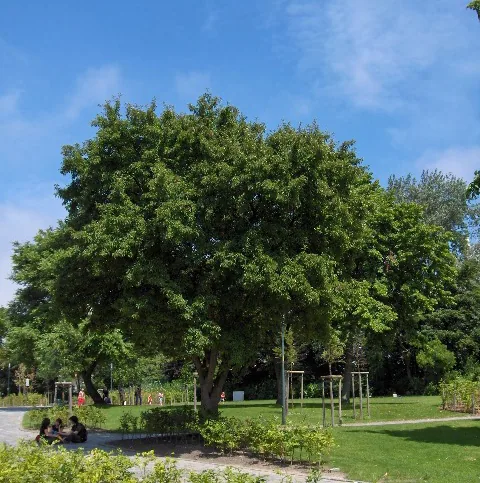
This tea crabapple is an easygoing tree: it likes full sun to light shade, does best in moist, well-drained soil, and still tolerates drought. It grows 20–25 feet tall and just as wide. In fall it gives sour fruit you can eat raw or cooked, and in China its leaves are even used as a tea.
- Sun
Full sun to light shade
What the sources say (1)
Light: Full sun to light shade
Tea Crabapple does best in full sun to light shade, moist, well-drained loam, clay, or sandy soil.
— Malus hupehensis (Chinese Crab, Chinese Crabapple, Flowering Tea Crabapple, Hupeh Crabapple, Tea Crabapple) | North Carolina Extension Gardener Plant Toolbox [1] - Water
Likes moist soil but tolerates drought
What the sources say (1)
Watering notes: Does best in moist, well-drained soil; tolerates drought
Tea Crabapple does best in full sun to light shade, moist, well-drained loam, clay, or sandy soil. It will tolerate heavy clay and drought.
— Malus hupehensis (Chinese Crab, Chinese Crabapple, Flowering Tea Crabapple, Hupeh Crabapple, Tea Crabapple) | North Carolina Extension Gardener Plant Toolbox [1] - Cold
Survives winters down to −30 °F (−34.4 °C)
Very hardy · USDA 4a · RHS H7 · Z4
What the sources say (2)
Hardiness, coldest zone: 4a [winter low −34.4 to −31.7 °C (−30 to −25 °F)]
USDA Plant Hardiness Zone: 4a, 4b, 5a, 5b, 6a, 6b, 7a, 7b, 8a, 8b
— Malus hupehensis (Chinese Crab, Chinese Crabapple, Flowering Tea Crabapple, Hupeh Crabapple, Tea Crabapple) | North Carolina Extension Gardener Plant Toolbox [1] Hardiness, warmest zone: 8b [winter low −9.4 to −6.7 °C (15 to 20 °F)]
USDA Plant Hardiness Zone: 4a, 4b, 5a, 5b, 6a, 6b, 7a, 7b, 8a, 8b
— Malus hupehensis (Chinese Crab, Chinese Crabapple, Flowering Tea Crabapple, Hupeh Crabapple, Tea Crabapple) | North Carolina Extension Gardener Plant Toolbox [1] - Soil
Moist, well-drained soil
What the sources say (1)
Watering notes: Does best in moist, well-drained soil; tolerates drought
Tea Crabapple does best in full sun to light shade, moist, well-drained loam, clay, or sandy soil. It will tolerate heavy clay and drought.
— Malus hupehensis (Chinese Crab, Chinese Crabapple, Flowering Tea Crabapple, Hupeh Crabapple, Tea Crabapple) | North Carolina Extension Gardener Plant Toolbox [1] - Harvest
Pick in fall; the sour fruit is good raw or cooked, and the leaves make a tea
What the sources say (1)
Harvest: Fall
Display/Harvest Time: Fall
— Malus hupehensis (Chinese Crab, Chinese Crabapple, Flowering Tea Crabapple, Hupeh Crabapple, Tea Crabapple) | North Carolina Extension Gardener Plant Toolbox [1] - Pests
Aphids and spider mites; can get fire blight and honey fungus
What the sources say (2)
Pests: aphids, spider mites
This plant has good disease resistance, but can be susceptible to fire blight and honey fungus. Aphids and spider mites can also be a problem.
— Malus hupehensis (Chinese Crab, Chinese Crabapple, Flowering Tea Crabapple, Hupeh Crabapple, Tea Crabapple) | North Carolina Extension Gardener Plant Toolbox [1] Diseases: fire blight, honey fungus
This plant has good disease resistance, but can be susceptible to fire blight and honey fungus. Aphids and spider mites can also be a problem.
— Malus hupehensis (Chinese Crab, Chinese Crabapple, Flowering Tea Crabapple, Hupeh Crabapple, Tea Crabapple) | North Carolina Extension Gardener Plant Toolbox [1] - Watch out
Deer often damage it
- Size
20–25 ft tall and 20–25 ft wide
What the sources say (2)
Mature height: 609.6-762 cm (20-25 ft)
Dimensions: Height: 20 ft. 0 in. - 25 ft. 0 in. Width: 20 ft. 0 in. - 25 ft. 0 in.
— Malus hupehensis (Chinese Crab, Chinese Crabapple, Flowering Tea Crabapple, Hupeh Crabapple, Tea Crabapple) | North Carolina Extension Gardener Plant Toolbox [1] Mature width: 609.6-762 cm (20-25 ft)
Dimensions: Height: 20 ft. 0 in. - 25 ft. 0 in. Width: 20 ft. 0 in. - 25 ft. 0 in.
— Malus hupehensis (Chinese Crab, Chinese Crabapple, Flowering Tea Crabapple, Hupeh Crabapple, Tea Crabapple) | North Carolina Extension Gardener Plant Toolbox [1] - Propagation
By grafting or from seed
What the sources say (1)
Propagation: Grafting, seed
Recommended Propagation Strategy: Grafting Seed
— Malus hupehensis (Chinese Crab, Chinese Crabapple, Flowering Tea Crabapple, Hupeh Crabapple, Tea Crabapple) | North Carolina Extension Gardener Plant Toolbox [1] - Safety
The seeds can be toxic: remove them before eating the fruit
Overview
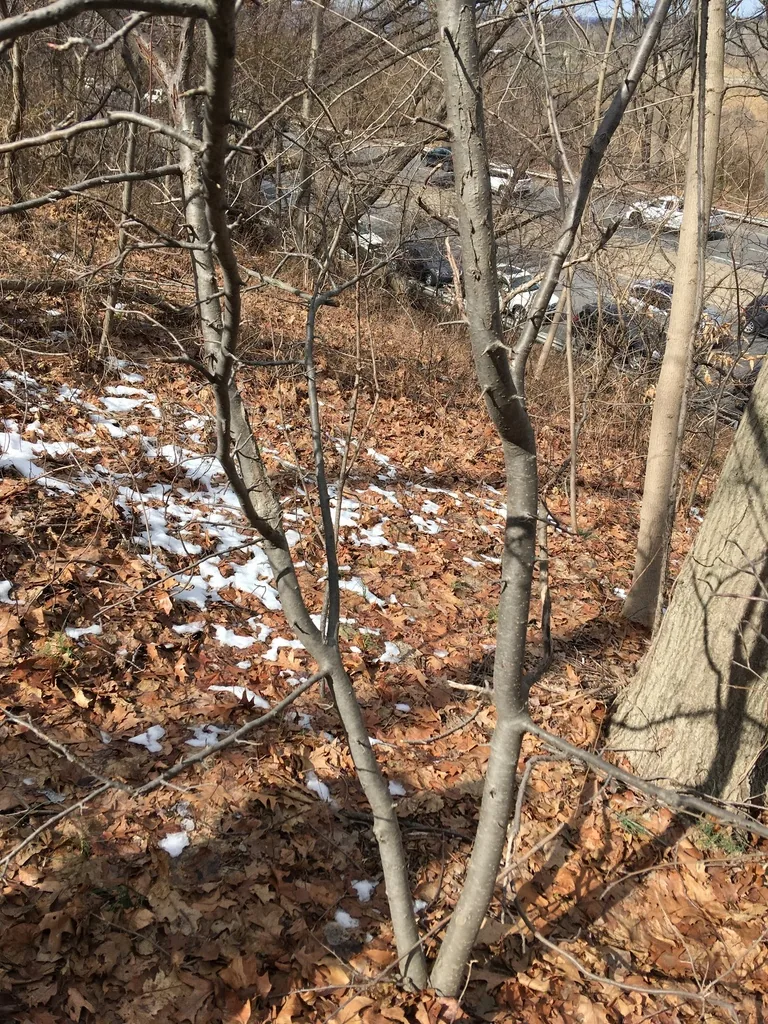
Tea crabapple is a deciduous large shrub or tree with fragrant white spring flowers and small sour fruit. [1] It does best in full sun to light shade and moist, well-drained soil, and tolerates heavy clay and drought. [1] It is susceptible to fire blight and honey fungus, and is frequently damaged by deer. [1]
This record is incomplete: the sources we read do not cover every field yet.
Not yet covered by our sources: Watering, Pruning
Tea Crabapple care
How to water Tea Crabapple
Watering
Not stated in the sources we read.
Watering notes
Does best in moist, well-drained soil; tolerates drought
What the sources say (1)
Tea Crabapple does best in full sun to light shade, moist, well-drained loam, clay, or sandy soil. It will tolerate heavy clay and drought.How much light Tea Crabapple needs
Full sun to light shade
What the sources say (1)
Tea Crabapple does best in full sun to light shade, moist, well-drained loam, clay, or sandy soil.How much cold Tea Crabapple can take
Hardiness, coldest zone
4a [winter low −34.4 to −31.7 °C (−30 to −25 °F)]
What the sources say (1)
USDA Plant Hardiness Zone:
4a, 4b, 5a, 5b, 6a, 6b, 7a, 7b, 8a, 8bHardiness, warmest zone
8b [winter low −9.4 to −6.7 °C (15 to 20 °F)]
What the sources say (1)
USDA Plant Hardiness Zone:
4a, 4b, 5a, 5b, 6a, 6b, 7a, 7b, 8a, 8bHow to propagate Tea Crabapple
Grafting, seed
What the sources say (1)
Recommended Propagation Strategy:
Grafting
SeedHow to grow Tea Crabapple
The plant
Life cycle
perennial
What the sources say (1)
Species: hupehensis Family: Rosaceae Life Cycle: Perennial WoodyFamily
Rosaceae
What the sources say (1)
Species: hupehensis Family: Rosaceae Life Cycle: Perennial WoodyMature height
609.6-762 cm (20-25 ft)
What the sources say (1)
Dimensions: Height: 20 ft. 0 in. - 25 ft. 0 in. Width: 20 ft. 0 in. - 25 ft. 0 in.Mature width
609.6-762 cm (20-25 ft)
What the sources say (1)
Dimensions: Height: 20 ft. 0 in. - 25 ft. 0 in. Width: 20 ft. 0 in. - 25 ft. 0 in.Pests and diseases
Pests
aphids, spider mites
What the sources say (1)
This plant has good disease resistance, but can be susceptible to fire blight and honey fungus. Aphids and spider mites can also be a problem.Diseases
fire blight, honey fungus
What the sources say (1)
This plant has good disease resistance, but can be susceptible to fire blight and honey fungus. Aphids and spider mites can also be a problem.Tea Crabapple pests and problems
Fire blight and honey fungus
Symptom: Plant can be susceptible to fire blight and honey fungus.
What the sources say (1)
can be susceptible to fire blight and honey fungus
— Malus hupehensis (Chinese Crab, Chinese Crabapple, Flowering Tea Crabapple, Hupeh Crabapple, Tea Crabapple) | North Carolina Extension Gardener Plant Toolbox [1] Aphids and spider mites
Symptom: Aphids and spider mites can be a problem.
What the sources say (1)
Aphids and spider mites can also be a problem.
— Malus hupehensis (Chinese Crab, Chinese Crabapple, Flowering Tea Crabapple, Hupeh Crabapple, Tea Crabapple) | North Carolina Extension Gardener Plant Toolbox [1] Deer damage
Symptom: Frequently damaged by deer.
What the sources say (1)
it is not tolerant of air pollution and is frequently damaged by deer
— Malus hupehensis (Chinese Crab, Chinese Crabapple, Flowering Tea Crabapple, Hupeh Crabapple, Tea Crabapple) | North Carolina Extension Gardener Plant Toolbox [1]
Remedies
Each remedy shows what official sources say about it; traditional remedies without an official source are marked as such. Harmful ones are listed so you know to avoid them.
Treating the plant
fire blight
pruning out blighted twigs and cankers Official source, not independently tested
How: Remove all infection sources, such as blighted twigs and cankers, before growth starts in the spring; make pruning cuts 12 to 18 inches below any sign of infected tissue.
Remove all infection sources, such as blighted twigs and cankers, before growth starts in the spring.
— hgic.clemson.edu [3]
apple scab
raking and removing fallen leaves Official source, not independently tested
How: Rake and remove leaves to reduce early spring infection sources.
Rake and remove leaves to reduce early spring infection sources.
— hgic.clemson.edu [3]
cedar apple rust
removing nearby cedars or pruning out galls Official source, not independently tested
How: If possible, remove Eastern red cedars from the area or prune out galls on nearby cedars.
If possible, remove Eastern red cedars from the area or prune out galls on nearby cedars.
— hgic.clemson.edu [3]
aphids
strong stream of water Official source, not independently tested
How: Wash aphids from foliage with a strong stream of water.
Wash aphids from foliage with a strong stream of water.
— hortsense.cahnrs.wsu.edu [4] hand-wiping or pruning infested shoots Official source, not independently tested
How: Hand-wipe or prune to control small, localized infestations when practical.
Hand-wipe or prune to control small, localized infestations when practical.
— hortsense.cahnrs.wsu.edu [4] insecticidal soap spray Works
How: Insecticidal soap sprays help manage aphids with little impact on beneficial insects.
Insecticidal soap or 1% horticultural oil sprays will help manage aphids with little impact on beneficial insects.
— hgic.clemson.edu [5] What the evidence says Insecticidal soap or 1% horticultural oil sprays will help manage aphids with little impact on beneficial insects.
— hgic.clemson.edu [5]
Is Tea Crabapple poisonous?
Reported by the source, quoted verbatim. This is not medical or veterinary advice: if a person or an animal may have eaten this plant, contact a poison control centre or a veterinarian.
Calendar
Harvest
Fall
What the sources say (1)
Display/Harvest Time:
FallPruning
Not stated in the sources we read.
Months as given by the sources, which are mostly from the United States (northern hemisphere). In the southern hemisphere they shift by about six months.
Edibility
Reported by the source, quoted verbatim. Do not eat a plant on the basis of this page alone: identification mistakes can be dangerous.
Similar plants
- Apple Malus sylvestris
- Flowering crabapple Malus baccata
- Hall Crabapple Malus halliana
- Malus floribunda Malus floribunda
- Paradise apple Malus domestica
- Southern Crabapple Malus angustifolia
- Sweet Crabapple Malus coronaria
- Yunnan Crabapple Malus yunnanensis
Sources
Every value above is quoted from these documents. Links lead to the original publisher.
- Malus hupehensis (Chinese Crab, Chinese Crabapple, Flowering Tea Crabapple, Hupeh Crabapple, Tea Crabapple) | North Carolina Extension Gardener Plant Toolbox · plants.ces.ncsu.edu, consulted
- Malus (Apple, Crabapple, Culinary Apple, Eating Apples, Wild Apples) | North Carolina Extension Gardener Plant Toolbox · plants.ces.ncsu.edu, consulted
- hgic.clemson.edu · hgic.clemson.edu
- hortsense.cahnrs.wsu.edu · hortsense.cahnrs.wsu.edu
- hgic.clemson.edu · hgic.clemson.edu
Written by Emilio Marruso · last checked