
How to Grow and Care for Myoporum insulare
Myoporum insulare
Written by Emilio Marruso · last checked
Toxic to: People · Why
At a glance
You can start Myoporum insulare two ways: sow the seed in spring in a greenhouse, or root cuttings of firm young growth. Plant it out in late spring or early summer, once the last frosts are behind you. Its sweet, juicy fruit brings birds to the garden, though the taste can turn salty and bitter.
- Cold
Survives winters down to 20 °F (−6.7 °C)
Hardy in average winters · USDA 9 · RHS H4 · Z9
What the sources say (1)
Hardiness, coldest zone: 9 [winter low −6.7 to −1.1 °C (20 to 30 °F)]
Water moderate Hardiness Zone 9+ Soil textures sandy, loamy, clay
— Boobyalla (Myoporum insulare) — Practical Plants [5] - Planting
Plant in late spring or early summer, after the last frosts
What the sources say (1)
Planting: Late spring or early summer, after the last expected frosts
Plant them out into their permanent positions in late spring or early summer, after the last expected frosts.
— Boobyalla (Myoporum insulare) — Practical Plants [5] - Harvest
Sweet, juicy fruit that can taste salty and bitter; birds eat them
- Propagation
Grow new plants from seed or from cuttings of firm young growth
What the sources say (1)
Propagation: Seed; cuttings of firm young growth
It can be propagated by either seed or cuttings of firm young growth which can successfully strike by simply placing the branchlets directly into the soil.
— Myoporum insulare - Growing Native Plants [1] - Sowing
Sow in spring in a greenhouse
What the sources say (1)
Sowing: Spring (in a greenhouse)
Seed - sow spring in a greenhouse. When they are large enough to handle, prick the seedlings out into individual pots
— Boobyalla (Myoporum insulare) — Practical Plants [5] - Safety
Don't eat lots of the fruit: related plants have fruit that can harm the liver
Overview
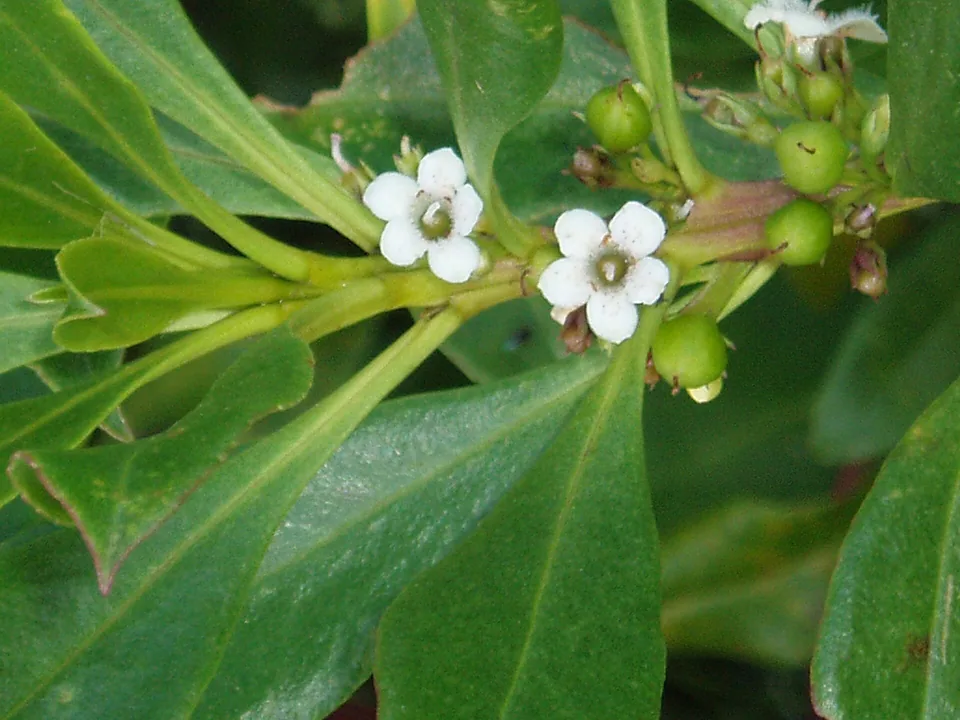
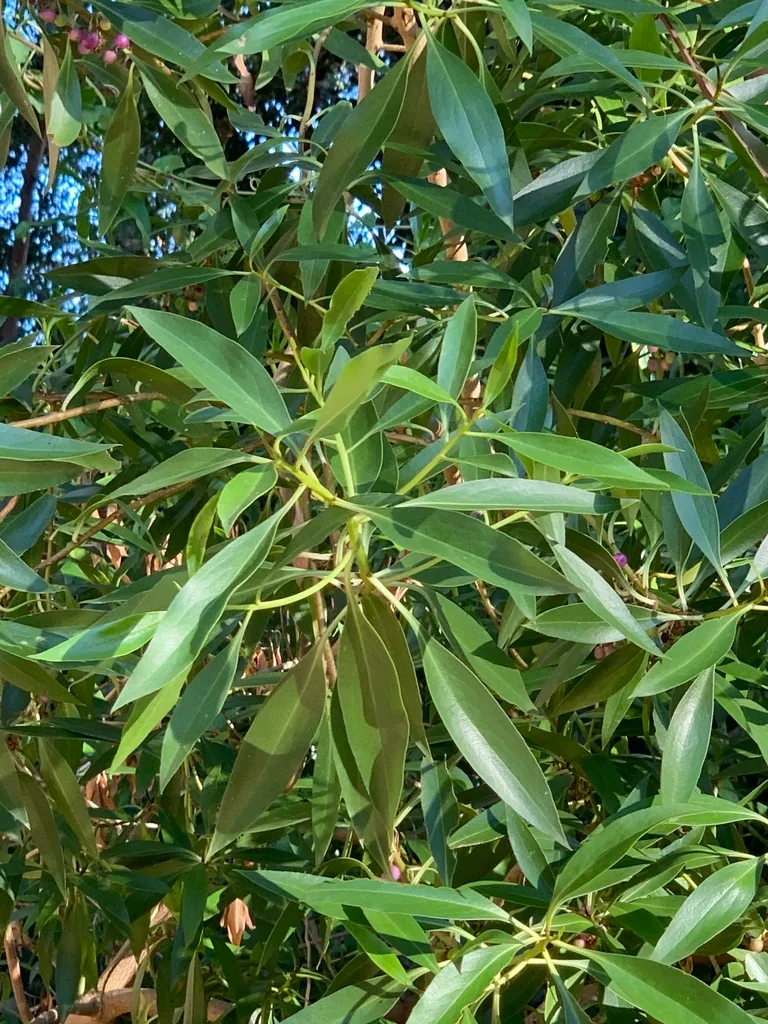
Myoporum insulare is a coastal Australian shrub used as a hedge, wind-break or screen. [6][1] It is propagated by seed or by cuttings. [1]
This record is incomplete: the sources we read do not cover every field yet.
Not yet covered by our sources: Light, Hardiness, warmest zone, Pruning
Myoporum insulare care
How to water Myoporum insulare
The sources give different values depending on region, zone or growing conditions.
What each source says
According to Australian Native Plants Society: Drought tolerant once established
According to Practical Plants: Drought intolerant; moderate water
What the sources say (2)
According to Australian Native Plants Society: It is drought tolerant once established but can be damaged by moderate to heavy frosts.According to Practical Plants: Tolerances
high wind, maritime exposure
Wind
Yes
Maritime
Yes
Tolerates Nutritionally Poor Soil
No
Drought
intolerantHow much light Myoporum insulare needs
Not stated in the sources we read.
How much cold Myoporum insulare can take
Hardiness, coldest zone
9 [winter low −6.7 to −1.1 °C (20 to 30 °F)]
What the sources say (1)
Water
moderate
Hardiness
Zone 9+
Soil textures
sandy, loamy, clayHardiness, warmest zone
Not stated in the sources we read.
How to propagate Myoporum insulare
Seed; cuttings of firm young growth
What the sources say (1)
It can be propagated by either seed or cuttings of firm young growth which can successfully strike by simply placing the branchlets directly into the soil.Remedies
Each remedy shows what official sources say about it; traditional remedies without an official source are marked as such. Harmful ones are listed so you know to avoid them.
First aid
First aid: not a substitute for a doctor
plant ingestion
removing plant pieces and sipping water or milk Official source, not independently tested
Give them a few sips of water or milk. - Call the poison center at 1-800-222-1222.
— nnepc.org [8] How: Take all pieces of the plant out of the person’s mouth.
Take all pieces of the plant out of the person’s mouth.
— nnepc.org [8]
Getting rid of it
tasmanian ngaio
digging out Not verified
Traditional remedy, not verified by an official source.
How: Dig out; remove seeds to greenwaste or landfill if practical; follow up treated areas 3 times per year.
Is Myoporum insulare poisonous?
Reported by the source, quoted verbatim. This is not medical or veterinary advice: if a person or an animal may have eaten this plant, contact a poison control centre or a veterinarian.
Calendar
Sowing
Spring (in a greenhouse)
What the sources say (1)
Seed - sow spring in a greenhouse. When they are large enough to handle, prick the seedlings out into individual potsPlanting
Late spring or early summer, after the last expected frosts
What the sources say (1)
Plant them out into their permanent positions in late spring or early summer, after the last expected frosts.Pruning
Not stated in the sources we read.
Months as given by the sources, which are mostly from the United States (northern hemisphere). In the southern hemisphere they shift by about six months.
Edibility
Reported by the source, quoted verbatim. Do not eat a plant on the basis of this page alone: identification mistakes can be dangerous.
The fruit are sweet and juicy to eat, however can be salty and bitter, and are eaten by birds.
[1]
Similar plants
- Ngaio Myoporum laetum
- Aaron's Beard Hypericum calycinum
- Abies grandis Abies grandis
- Abraham Trachystemon orientalis
- Abyssinian banana Ensete ventricosum
- Acacia longifolia Acacia longifolia
- Acacia retinodes Acacia retinodes
- Acanthus hungaricus Acanthus hungaricus
Sources
Every value above is quoted from these documents. Links lead to the original publisher.
- Myoporum insulare - Growing Native Plants · anbg.gov.au, consulted
- Myoporum insulare - Australian Native Plants Society (Australia) · anpsa.org.au, consulted
- Myoporum insulare (MYMIN)[Overview]| EPPO Global Database · gd.eppo.int, consulted
- Myoporum insulare - Useful Temperate Plants · temperate.theferns.info, consulted
- Boobyalla (Myoporum insulare) — Practical Plants · practicalplants.org, consulted
- Myoporum insulare · plantselector.botanicgardens.sa.gov.au, consulted
- Myoporum insulare - Understorey Network · database.understorey-network.org.au, consulted
- nnepc.org · nnepc.org
Written by Emilio Marruso · last checked