
How to Grow and Care for Devil's Backbone
Pedilanthus tithymaloides
Written by Emilio Marruso · last checked
Toxic to: Cats, Dogs, People · Why
At a glance
This easygoing plant is happy indoors or in a pot, asking only for bright, indirect light and soil that dries a little between waterings. It has few pests, needs just a light trim in late winter, and can reach 2 to 10 feet tall. Best of all, you can make new plants from simple stem cuttings to share with friends.
- Sun
Bright, indirect light; outdoors, full sun to part shade
What the sources say (4)
Light: Bright, indirect light
According to NC State Extension (cultural conditions): Light: Full sun (6 or more hours of direct sunlight a day) Partial Shade (Direct sunlight only part of the day, 2-6 hours)
— Euphorbia tithymaloides (Devil's Backbone, Japanese Poinsettia, Myrtle-leaved Spurge, Redbird Flower, Slipper Flower, Zig Zag Plant) | North Carolina Extension Gardener Plant Toolbox [1] fall and winter: Plant in direct sun in fall and winter but give it a little protection from stinging hot rays in spring and summer.
— Care Of Devil's Backbone Houseplant - Tips For Growing Pedilanthus Indoors | Gardening Know How [4] This plant prefers bright, indirect light and well-drained, potting mix that is used for succulents.
— Euphorbia tithymaloides (Devil's Backbone, Japanese Poinsettia, Myrtle-leaved Spurge, Redbird Flower, Slipper Flower, Zig Zag Plant) | North Carolina Extension Gardener Plant Toolbox [1] Devil's backbone houseplant likes bright indirect sunlight.
— Care Of Devil's Backbone Houseplant - Tips For Growing Pedilanthus Indoors | Gardening Know How [4] - Water
Water when the soil is dry below the surface; too much rots roots, too little drops leaves
What the sources say (1)
Watering notes: Overwatering can cause root rot; leaf drop occurs if the soil is too dry
Overwatering can cause root rot. The foliage can burn from too much direct sunlight. Leggy growth is caused by too little light. Leaf drop will occur if the soil is too dry.
— Euphorbia tithymaloides (Devil's Backbone, Japanese Poinsettia, Myrtle-leaved Spurge, Redbird Flower, Slipper Flower, Zig Zag Plant) | North Carolina Extension Gardener Plant Toolbox [1] - Cold
Survives winters down to 20 °F (−6.7 °C)
Hardy in average winters · USDA 9a · RHS H4 · Z9
What the sources say (2)
Hardiness, coldest zone: 9a [winter low −6.7 to −3.9 °C (20 to 25 °F)]
USDA Plant Hardiness Zone: 9a, 9b, 10a, 10b, 11a, 11b
— Euphorbia tithymaloides (Devil's Backbone, Japanese Poinsettia, Myrtle-leaved Spurge, Redbird Flower, Slipper Flower, Zig Zag Plant) | North Carolina Extension Gardener Plant Toolbox [1] Hardiness, warmest zone: 11b [winter low 7.2 to 10 °C (45 to 50 °F)]
USDA Plant Hardiness Zone: 9a, 9b, 10a, 10b, 11a, 11b
— Euphorbia tithymaloides (Devil's Backbone, Japanese Poinsettia, Myrtle-leaved Spurge, Redbird Flower, Slipper Flower, Zig Zag Plant) | North Carolina Extension Gardener Plant Toolbox [1] - Soil
Soil from slightly acidic to alkaline, pH 6.0–8.0
What the sources say (2)
Soil pH, minimum: 6.0
Soil pH: Neutral (6.0-8.0)
— Euphorbia tithymaloides (Devil's Backbone, Japanese Poinsettia, Myrtle-leaved Spurge, Redbird Flower, Slipper Flower, Zig Zag Plant) | North Carolina Extension Gardener Plant Toolbox [1] Soil pH, maximum: 8.0
Soil pH: Neutral (6.0-8.0)
— Euphorbia tithymaloides (Devil's Backbone, Japanese Poinsettia, Myrtle-leaved Spurge, Redbird Flower, Slipper Flower, Zig Zag Plant) | North Carolina Extension Gardener Plant Toolbox [1] - Pruning
A light trim in late winter
What the sources say (1)
Pruning: Late winter (light trim)
trim back lightly in late winter to keep the plant in good form.
— Care Of Devil's Backbone Houseplant - Tips For Growing Pedilanthus Indoors | Gardening Know How [4] - Pests
Few pests: keep an eye out for mealybugs and spider mites
What the sources say (1)
Pests: mealybugs, spider mites
Devil's backbone has very few pests or diseases. Monitor for mealybugs and spider mites.
— Euphorbia tithymaloides (Devil's Backbone, Japanese Poinsettia, Myrtle-leaved Spurge, Redbird Flower, Slipper Flower, Zig Zag Plant) | North Carolina Extension Gardener Plant Toolbox [1] - Size
2 to 10 ft tall and 1 to 2 ft wide
What the sources say (2)
Mature height: 61-305 cm (2 to 10 ft)
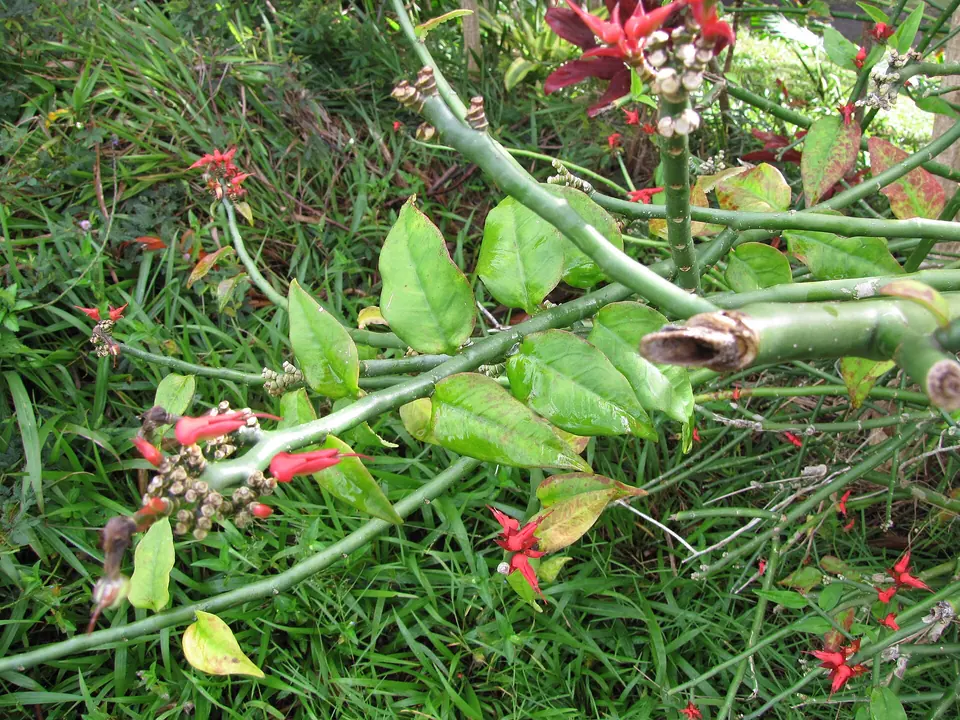
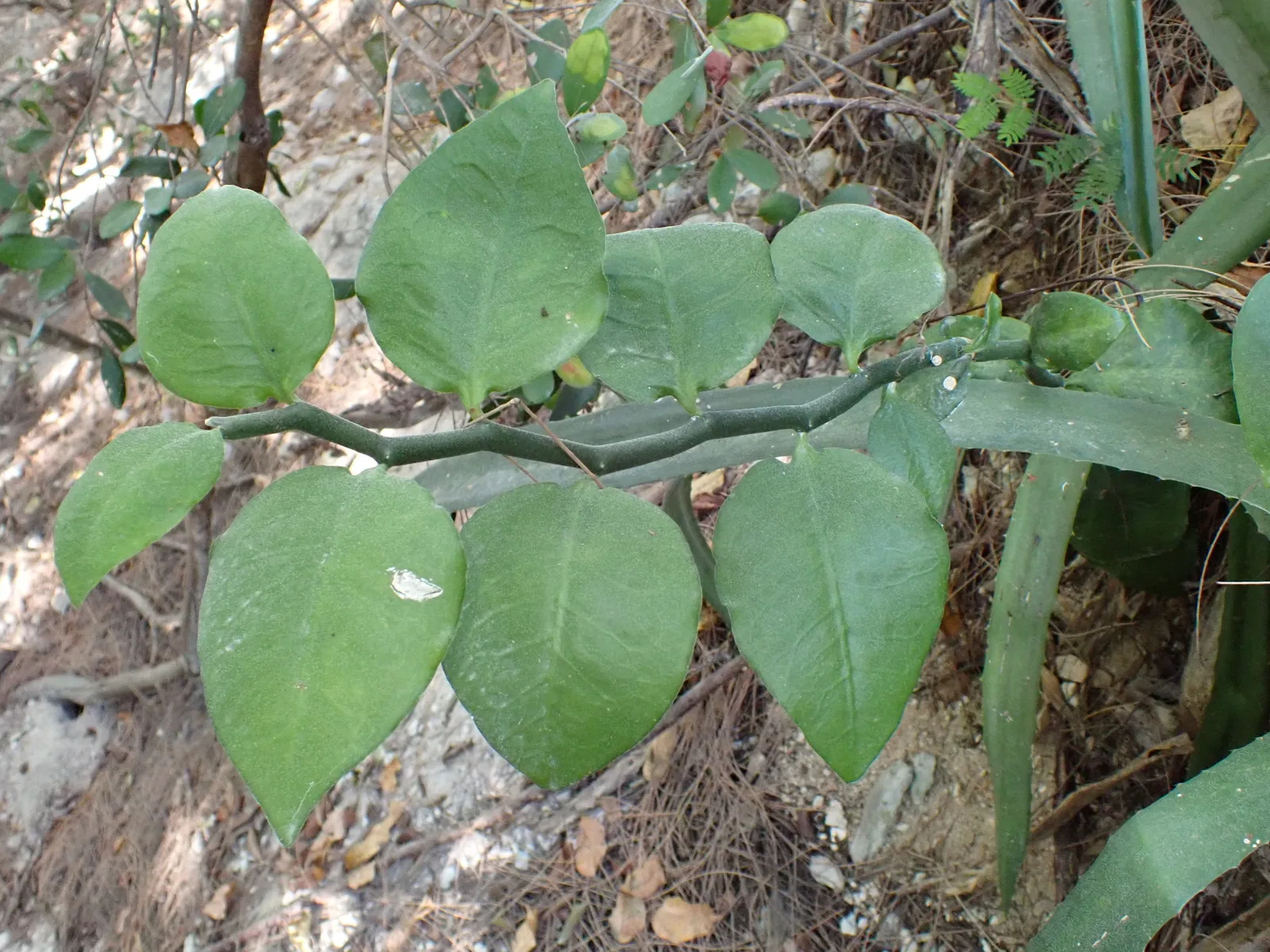
It grows from 2 to 10 feet tall and 1 to 2 feet wide and has green, zigzag shaped branches.
— Euphorbia tithymaloides (Devil's Backbone, Japanese Poinsettia, Myrtle-leaved Spurge, Redbird Flower, Slipper Flower, Zig Zag Plant) | North Carolina Extension Gardener Plant Toolbox [1] Mature width: 30-61 cm (1 to 2 ft)
It grows from 2 to 10 feet tall and 1 to 2 feet wide and has green, zigzag shaped branches.
— Euphorbia tithymaloides (Devil's Backbone, Japanese Poinsettia, Myrtle-leaved Spurge, Redbird Flower, Slipper Flower, Zig Zag Plant) | North Carolina Extension Gardener Plant Toolbox [1] - Propagation
Make new plants from stem cuttings
What the sources say (2)
Propagation: Stem cuttings
It can be propagated by stem cuttings.
— Euphorbia tithymaloides (Devil's Backbone, Japanese Poinsettia, Myrtle-leaved Spurge, Redbird Flower, Slipper Flower, Zig Zag Plant) | North Carolina Extension Gardener Plant Toolbox [1] Just cut a 4 to 6 inch (10-15 cm.) section of the stem from the plant.
— Care Of Devil's Backbone Houseplant - Tips For Growing Pedilanthus Indoors | Gardening Know How [4] - Containers
Grows well in containers and indoors
What the sources say (2)
In containers: Yes
This plant is used as an ornamental and will add interest as a container plant or houseplant.
— Euphorbia tithymaloides (Devil's Backbone, Japanese Poinsettia, Myrtle-leaved Spurge, Redbird Flower, Slipper Flower, Zig Zag Plant) | North Carolina Extension Gardener Plant Toolbox [1] Indoors: Yes
This plant is used as an ornamental and will add interest as a container plant or houseplant.
— Euphorbia tithymaloides (Devil's Backbone, Japanese Poinsettia, Myrtle-leaved Spurge, Redbird Flower, Slipper Flower, Zig Zag Plant) | North Carolina Extension Gardener Plant Toolbox [1] - Safety
Milky sap irritates skin and can harm eyes; a problem for children, dogs and cats
Overview
Devil's backbone is an erect succulent shrub native to the subtropical areas of Florida, Central America, and South America. [1] It prefers bright, indirect light and a well-drained succulent potting mix, and is watered when the soil is dry 1 to 2 inches [2.5–5.1 cm] below the surface. [1] The milky sap can cause contact dermatitis. [1]
This record is incomplete: the sources we read do not cover every field yet.
Not yet covered by our sources: Watering
Devil's Backbone care
Measurements in square brackets are our conversion into the other unit system; the quoted text is unchanged.
How to water Devil's Backbone
Watering
Not stated in the sources we read.
Watering notes
Overwatering can cause root rot; leaf drop occurs if the soil is too dry
What the sources say (1)
Overwatering can cause root rot. The foliage can burn from too much direct sunlight. Leggy growth is caused by too little light. Leaf drop will occur if the soil is too dry.How much light Devil's Backbone needs
Bright, indirect light
What each source says
According to NC State Extension (cultural conditions): Full sun to partial shade
fall and winter: Direct sun
What the sources say (4)
According to NC State Extension (cultural conditions): Light:
Full sun (6 or more hours of direct sunlight a day)
Partial Shade (Direct sunlight only part of the day, 2-6 hours)fall and winter: Plant in direct sun in fall and winter but give it a little protection from stinging hot rays in spring and summer.This plant prefers bright, indirect light and well-drained, potting mix that is used for succulents.Devil's backbone houseplant likes bright indirect sunlight.How much cold Devil's Backbone can take
Hardiness, coldest zone
9a [winter low −6.7 to −3.9 °C (20 to 25 °F)]
What the sources say (1)
USDA Plant Hardiness Zone:
9a, 9b, 10a, 10b, 11a, 11bHardiness, warmest zone
11b [winter low 7.2 to 10 °C (45 to 50 °F)]
What the sources say (1)
USDA Plant Hardiness Zone:
9a, 9b, 10a, 10b, 11a, 11bBest soil for Devil's Backbone
Soil pH, minimum
6.0
What the sources say (1)
Soil pH:
Neutral (6.0-8.0)Soil pH, maximum
8.0
What the sources say (1)
Soil pH:
Neutral (6.0-8.0)Where to grow Devil's Backbone
Indoors
Yes
What the sources say (1)
This plant is used as an ornamental and will add interest as a container plant or houseplant.In containers
Yes
What the sources say (1)
This plant is used as an ornamental and will add interest as a container plant or houseplant.How to propagate Devil's Backbone
Stem cuttings
What the sources say (2)
It can be propagated by stem cuttings.Just cut a 4 to 6 inch (10-15 cm.) section of the stem from the plant.How to grow Devil's Backbone
The plant
Family
Euphorbiaceae
What the sources say (1)
It is a member of the spurge family (Euphorbiaceae).Mature height
61-305 cm (2 to 10 ft)
What the sources say (1)
It grows from 2 to 10 feet tall and 1 to 2 feet wide and has green, zigzag shaped branches.Mature width
30-61 cm (1 to 2 ft)
What the sources say (1)
It grows from 2 to 10 feet tall and 1 to 2 feet wide and has green, zigzag shaped branches.Pests and diseases
Pests
mealybugs, spider mites
What the sources say (1)
Devil's backbone has very few pests or diseases. Monitor for mealybugs and spider mites.Devil's Backbone pests and problems
Mealybugs and spider mites
Symptom: The few pests the plant has
What to do: Monitor for mealybugs and spider mites
What the sources say (1)
Devil's backbone has very few pests or diseases. Monitor for mealybugs and spider mites.
— Euphorbia tithymaloides (Devil's Backbone, Japanese Poinsettia, Myrtle-leaved Spurge, Redbird Flower, Slipper Flower, Zig Zag Plant) | North Carolina Extension Gardener Plant Toolbox [1] Root rot
Symptom: Root rot from overwatering
What to do: Water only when the soil is dry below the surface
What the sources say (1)
Overwatering can cause root rot. The foliage can burn from too much direct sunlight. Leggy growth is caused by too little light. Leaf drop will occur if the soil is too dry.
— Euphorbia tithymaloides (Devil's Backbone, Japanese Poinsettia, Myrtle-leaved Spurge, Redbird Flower, Slipper Flower, Zig Zag Plant) | North Carolina Extension Gardener Plant Toolbox [1]
Remedies
The sources we checked give no remedies for this plant.
Is Devil's Backbone toxic to pets?
Reported by the source, quoted verbatim. This is not medical or veterinary advice: if a person or an animal may have eaten this plant, contact a poison control centre or a veterinarian.
Animals
#problem for children #problem for dogs #problem for cats
[1]The source flags the risk for this animal but does not explain why.
People
The milky white latex sap found in all plant parts can cause mild to severe contact dermatitis. If contact with the eyes occurs the sap can cause temporary to permanent damage to the cornea.
[1]- Poisonous parts
Poison Part: Sap/Juice
[1]- Toxic principle
Poison Toxic Principle: Diterpene esters
[1]- Symptoms
The milky white latex sap found in all plant parts can cause mild to severe contact dermatitis. If contact with the eyes occurs the sap can cause temporary to permanent damage to the cornea.
[1]- Severity
Poison Severity: Low
[1]
Calendar
Pruning
Late winter (light trim)
What the sources say (1)
trim back lightly in late winter to keep the plant in good form.Months as given by the sources, which are mostly from the United States (northern hemisphere). In the southern hemisphere they shift by about six months.
Indicative values
Values from a secondary source, not checked word for word like the rest of this page. Use them as a starting point.
- Life cycle
- PerennialIndicative value, adapt it to your climate · Secondary source
- Hours of sun
- 2-6 hoursIndicative value, adapt it to your climate · Secondary source
- Watering
- AverageIndicative value, adapt it to your climate · Secondary source
- Care level
- MediumIndicative value, adapt it to your climate · Secondary source
- Growth rate
- LowIndicative value, adapt it to your climate · Secondary source
Similar plants
- Alabama Croton Croton alabamensis
- Barbados nut Jatropha curcas
- Buddha Belly Jatropha podagrica
- Cassava Manihot esculenta
- Castor Bean Ricinus communis
- Chenille Plant Acalypha hispida
- Chinese tallow tree Triadica sebifera
- Common Three-Seed Mercury Acalypha rhomboidea
Sources
Every value above is quoted from these documents. Links lead to the original publisher.
- Euphorbia tithymaloides (Devil's Backbone, Japanese Poinsettia, Myrtle-leaved Spurge, Redbird Flower, Slipper Flower, Zig Zag Plant) | North Carolina Extension Gardener Plant Toolbox · plants.ces.ncsu.edu, consulted
- Euphorbia tithymaloides / [Species detail] / Plant Atlas · florida.plantatlas.usf.edu, consulted
- Euphorbia tithymaloides - Botany Brisbane · botanybrisbane.com, consulted
- Care Of Devil's Backbone Houseplant - Tips For Growing Pedilanthus Indoors | Gardening Know How · gardeningknowhow.com, consulted
- Devil's Backbone Plant: Grow the Zigzag Stems and Handle the Sap Safely · houseplantcentral.com, consulted
Written by Emilio Marruso · last checked