
How to Grow and Care for Black bamboo
Phyllostachys nigra
Written by Emilio Marruso · last checked
At a glance
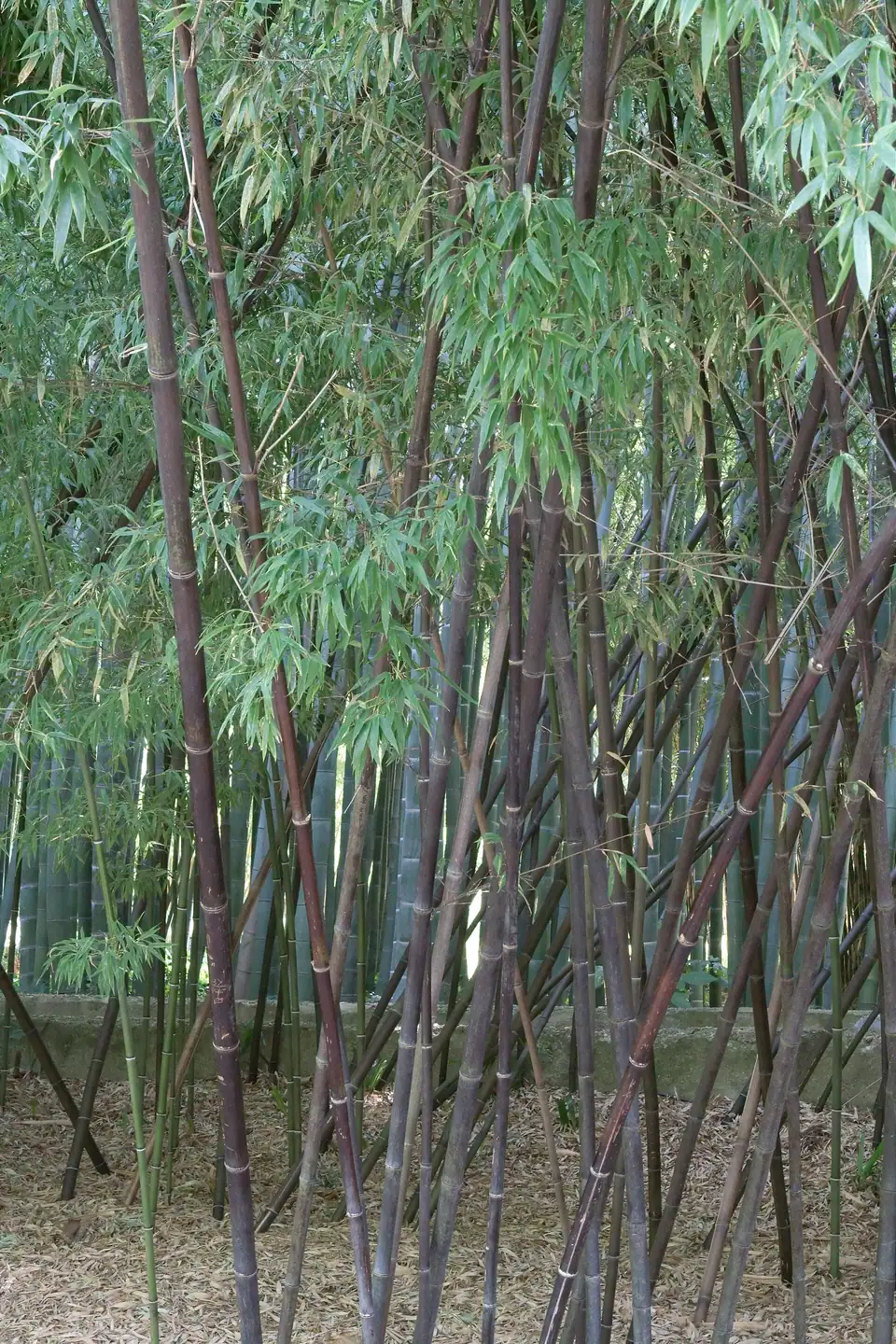
Black bamboo is a perennial whose canes reach 10 to 23 feet, happy in full sun or partial shade and even in a container. Keep the soil evenly moist, mulch it with compost and leave the fallen leaves in place, since bamboo reuses them. Just plan ahead: its running roots spread fast, so prune them every year.
- Sun
Full sun to partial shade
- Water
Evenly moist, never soggy: 1–2 inches of water a week in the growing season if it doesn't rain
What the sources say (2)
Watering: Keep the soil evenly moist but not soggy; one to two inches [2.5–5.1 cm] of water weekly during the growing season in the absence of rain
P. nigra does best with regular hydration to keep the soil evenly moist, but not soggy.
— Learn How to Plant, Grow, and Care for Black Bamboo [6] Provide one to two inches of water weekly during the growing season in the absence of rain.
— Learn How to Plant, Grow, and Care for Black Bamboo [6] - Cold
Survives winters down to 0 °F (−17.8 °C)
Hardy in very cold winters · USDA 7 · RHS H6 · Z7
What the sources say (1)
Hardiness, coldest zone: 7 [winter low −17.8 to −12.2 °C (0 to 10 °F)]
Native to China, P. nigra is hardy in Zones 7 to 10 and grows from underground rhizomes.
— Learn How to Plant, Grow, and Care for Black Bamboo [6] - Soil
Soil with a pH up to 7.0
- Feeding
Mulch with compost after planting and leave fallen leaves in place
What the sources say (2)
Natural fertilizers: Garden compost as a mulch after planting; fallen leaves left in place, as bamboo reuses their silica
Water thoroughly, then mulch the soil surface with garden compost
— [7] Don’t rake up fallen foliage, as it contains silica, which bamboo can re-use to boost its strength and stability.
— [7] - Pruning
Late winter to early spring: clean up the clump and prune canes and roots
What the sources say (1)
Pruning: Late winter to early spring (clean and prune stands; root prune)
Clean and prune stands in late winter to early spring, removing dead, damaged, or diseased culms at the soil line using clean, sharp garden shears or a pruning saw.
— Learn How to Plant, Grow, and Care for Black Bamboo [6] - Pests
Rust and stem smut are common; slugs and snails may eat new shoots
- Watch out
Spreads fast by running roots: prune the roots every year and use root barriers
- Size
Canes 10 to 23 ft tall
What the sources say (1)
Mature height: 300-700 cm [118–276 in] (culms)
HABIT Perennial. Rhizomes elongated; leptomorph. Culms erect; 300–700 cm long; 20–40 mm diam.; woody.
— RBG Kew: GrassBase - Phyllostachys nigra Description [2] - Propagation
Divide the clump in spring
What the sources say (1)
Propagation: Division (spring)
Propagation Divide in spring.
— Black bamboo - Fine Gardening [5] - Containers
Grows in containers too; water more often than in the ground
What the sources say (3)
In containers: Yes
growing in containers is an excellent option to enjoy the plant without the maintenance involved to keep the roots in check.
— Learn How to Plant, Grow, and Care for Black Bamboo [6] Grow as screening, in large containers, or in a woodland setting where the stems can be appreciated.
— Black bamboo - Fine Gardening [5] Watering notes: Container-grown plants typically need more frequent watering than plants in the ground
Container-grown plants typically require more frequent watering than those growing in the ground.
— Learn How to Plant, Grow, and Care for Black Bamboo [6]
Overview
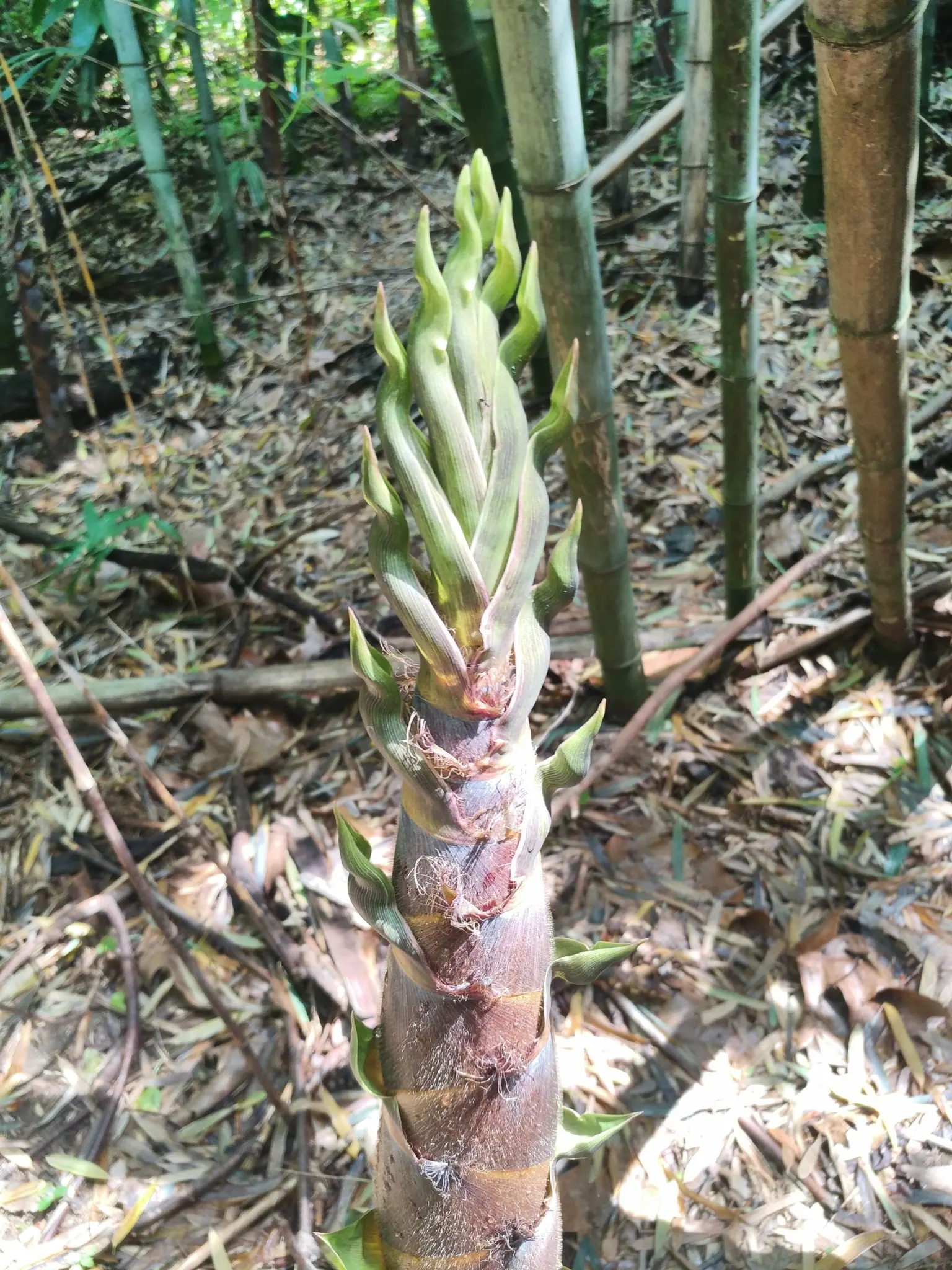
Black bamboo is a running bamboo native to China whose culms turn black after two or three years. [5][6] It grows in full sun or light shade in moist, well-drained soil. [5] It is used for hedges, screens and large containers. [6]
This record is incomplete: the sources we read do not cover every field yet.
Not yet covered by our sources: Hardiness, warmest zone
Black bamboo care
Measurements in square brackets are our conversion into the other unit system; the quoted text is unchanged.
How to water Black bamboo
Watering
Keep the soil evenly moist but not soggy; one to two inches [2.5–5.1 cm] of water weekly during the growing season in the absence of rain
What the sources say (2)
P. nigra does best with regular hydration to keep the soil evenly moist, but not soggy.Provide one to two inches of water weekly during the growing season in the absence of rain.Watering notes
Container-grown plants typically need more frequent watering than plants in the ground
What the sources say (1)
Container-grown plants typically require more frequent watering than those growing in the ground.How much light Black bamboo needs
How much cold Black bamboo can take
Hardiness, coldest zone
7 [winter low −17.8 to −12.2 °C (0 to 10 °F)]
What the sources say (1)
Native to China, P. nigra is hardy in Zones 7 to 10 and grows from underground rhizomes.Hardiness, warmest zone
Not stated in the sources we read.
Best soil for Black bamboo
Where to grow Black bamboo
Yes
What the sources say (2)
growing in containers is an excellent option to enjoy the plant without the maintenance involved to keep the roots in check.Grow as screening, in large containers, or in a woodland setting where the stems can be appreciated.How to propagate Black bamboo
Division (spring)
What the sources say (1)
Propagation Divide in spring.How to grow Black bamboo
The plant
Life cycle
perennial
What the sources say (1)
HABIT Perennial. Rhizomes elongated; leptomorph. Culms erect;
300–700 cm long; 20–40 mm diam.; woody.Mature height
300-700 cm [118–276 in] (culms)
What the sources say (1)
HABIT Perennial. Rhizomes elongated; leptomorph. Culms erect;
300–700 cm long; 20–40 mm diam.; woody.Fertilizing
When
The sources give different values depending on region, zone or growing conditions.
What each source says
on poor, light soil: Spring
in containers: During the growing season, March to October
after the whole clump has flowered: Spring, after cutting the clump back to ground level
What the sources say (3)
on poor, light soil: If grown on a poor, light soil bamboos will benefit from a general purpose granular feed in spring.in containers: When grown in containers, bamboos will require additional feeding. Apply a general liquid feed during the growing season: March to October.after the whole clump has flowered: Then in spring, cut back the clump to ground level and feed with a high-nitrogen fertiliser , such as a spring lawn feed, to encourage new growth from the base.How often
The sources give different values depending on region, zone or growing conditions.
What each source says
after the whole clump has flowered: Regularly for the rest of the growing season
What the sources say (1)
after the whole clump has flowered: If the whole clump starts flowering, allow it to do so, even if the plant looks terrible. Feed and water it regularly for the rest of the growing season.Natural fertilizers
Garden compost as a mulch after planting; fallen leaves left in place, as bamboo reuses their silica
Mineral fertilizers
The sources give different values depending on region, zone or growing conditions.
What each source says
on poor, light soil: General-purpose granular fertilizer
in containers: General liquid fertilizer
after the whole clump has flowered: High-nitrogen fertilizer to encourage new growth from the base
What the sources say (3)
on poor, light soil: If grown on a poor, light soil bamboos will benefit from a general purpose granular feed in spring.in containers: When grown in containers, bamboos will require additional feeding. Apply a general liquid feed during the growing season: March to October.after the whole clump has flowered: Then in spring, cut back the clump to ground level and feed with a high-nitrogen fertiliser , such as a spring lawn feed, to encourage new growth from the base.Black bamboo pests and problems
Aggressive spread
Symptom: Running rhizomes quickly colonize available space
What to do: Annual root pruning in late winter to early spring combined with root barriers
What the sources say (1)
The most effective way to manage their spread is with a combination of annual root pruning along with the use of root barriers.
— Learn How to Plant, Grow, and Care for Black Bamboo [6] Rust, stem smut and slugs
Symptom: Rust and stem smut are common; slugs and snails may attack emerging shoots
What to do: Not stated in the document
What the sources say (1)
Rust and stem smut are common, while slugs and snails may attack emerging shoots.
— Black bamboo - Fine Gardening [5]
Remedies
Each remedy shows what official sources say about it; traditional remedies without an official source are marked as such. Harmful ones are listed so you know to avoid them.
Treating the plant
aggressive spread
annual root pruning and root barriers Partly works
How: Combine annual root pruning with root barriers to manage the spread.
The most effective way to manage their spread is with a combination of annual root pruning along with the use of root barriers.
— Learn How to Plant, Grow, and Care for Black Bamboo [6] What the evidence says Barriers of concrete, metal, plastic. or pressure treated wood should be installed at least 18" deep to be effective and should be checked occasionally for escaped rhizomes.
— homegarden.cahnr.uconn.edu [8]
Getting rid of it
invasive spread
digging out the rhizomes Partly works
How: Very small amounts can be dug up by complete removal of rhizomes; not appropriate for large areas.
Hand Removal: Very small amounts can be dug up by complete removal of rhizomes
— weedsbluemountains.org.au [9] What the evidence says Remove as much of the rhizomes and root mass of the plant as possible. Small areas may be done by hand but larger infestations may require power tools.
— homegarden.cahnr.uconn.edu [8]
Calendar
Pruning
Late winter to early spring (clean and prune stands; root prune)
What the sources say (1)
Clean and prune stands in late winter to early spring, removing dead, damaged, or diseased culms at the soil line using clean, sharp garden shears or a pruning saw.Months as given by the sources, which are mostly from the United States (northern hemisphere). In the southern hemisphere they shift by about six months.
Indicative values
Values from a secondary source, not checked word for word like the rest of this page. Use them as a starting point.
- Hours of sun
- 4-6 hoursIndicative value, adapt it to your climate · Secondary source
- Drought tolerant
- yesIndicative value, adapt it to your climate · Secondary source
- Soil
- Acidic, Humus rich, Well-drainedIndicative value, adapt it to your climate · Secondary source
- Growth rate
- HighIndicative value, adapt it to your climate · Secondary source
- Pests
- Rust, Slugs, snails, Deer resistantIndicative value, adapt it to your climate · Secondary source
Similar plants
- Bamboo Phyllostachys aurea
- Yellow Groove Phyllostachys aureosulcata
- Tortoise shell bamboo Phyllostachys edulis
- Abies grandis Abies grandis
- Abraham Trachystemon orientalis
- Abyssinian banana Ensete ventricosum
- Acacia longifolia Acacia longifolia
- Acanthus hungaricus Acanthus hungaricus
Sources
Every value above is quoted from these documents. Links lead to the original publisher.
- Phyllostachys nigra - Trees and Shrubs Online · treesandshrubsonline.org, consulted
- RBG Kew: GrassBase - Phyllostachys nigra Description · kew.org, consulted
- Flora of New Zealand | Taxon Profile | Phyllostachys nigra · nzflora.info, consulted
- HortFlora · hortflora.rbg.vic.gov.au, consulted
- Black bamboo - Fine Gardening · finegardening.com, consulted
- Learn How to Plant, Grow, and Care for Black Bamboo · gardenerspath.com, consulted
- rhs.org.uk · rhs.org.uk
- homegarden.cahnr.uconn.edu · homegarden.cahnr.uconn.edu
- weedsbluemountains.org.au · weedsbluemountains.org.au
Written by Emilio Marruso · last checked