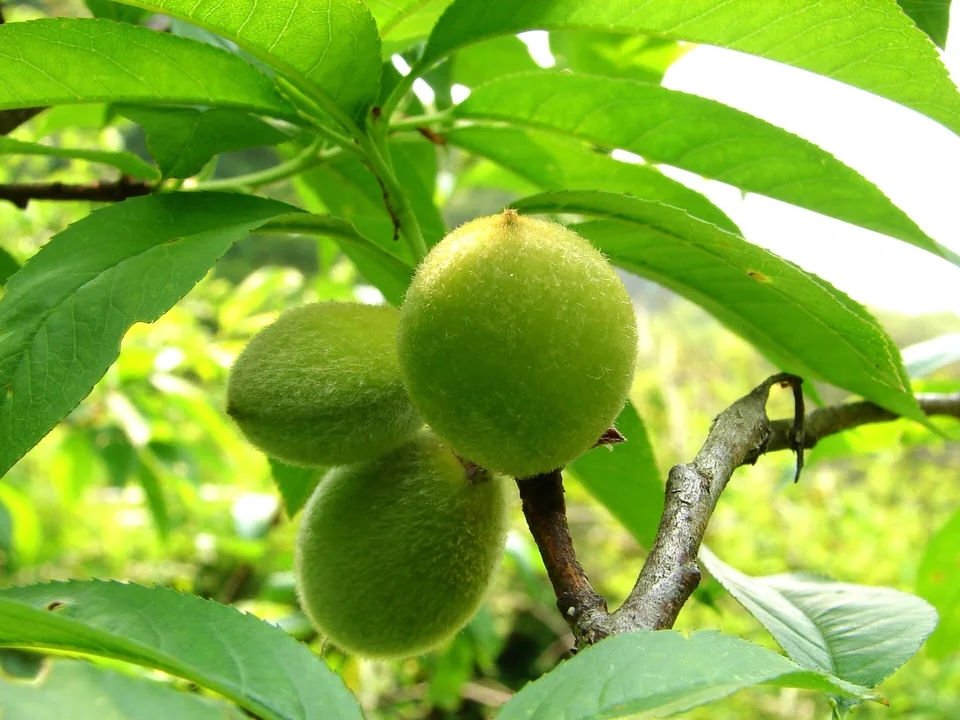

How to Grow and Care for Prunus davidiana
Prunus davidiana
Written by Emilio Marruso · last checked
At a glance
This tough plant shrugs off drought and grows happily in full sun or partial shade. Its flowers open very early, so give it a sheltered spot where late frosts can't spoil them. You can start it from seed, cuttings or layering, then plant it out in late spring or early summer of the year after sowing.
- Sun
Full sun to partial shade
What the sources say (1)
Light: Full sun to partial shade
Succeeds in sun or partial shade though it fruits better in a sunny position
— Prunus davidiana - Useful Temperate Plants [1] - Water
Handles drought well
What the sources say (1)
Watering: Drought resistant
considerable resistance to frost, heat and drought and is used therefore as rootstock for plums, almonds and peaches in China, Korea and S Russia
— Prunus davidiana - Useful Temperate Plants [1] - Cold
Late frosts often damage its very early flowers: give it a sheltered spot
- Soil
Loamy soil that drains well but holds some moisture
What the sources say (1)
Watering notes: Well-drained, moisture-retentive loamy soil
Thrives in a well-drained moisture-retentive loamy soil[ 11 Title Trees and Shrubs Hardy in Great Britain.
— Prunus davidiana - Useful Temperate Plants [1] - Planting
Plant out in late spring or early summer of the year after sowing
What the sources say (1)
Planting: Late spring or early summer of the year after sowing
Grow them on in a greenhouse or cold frame for their first winter and plant them out in late spring or early summer of the following year.
— Prunus davidiana - Useful Temperate Plants [1] - Harvest
In China the bitter seeds flavor sweets, but use them only in very small amounts
- Propagation
Seed, cuttings, layering, or budding onto almond or plum rootstock
What the sources say (5)
Propagation: Seed, half-ripe heel cuttings, softwood cuttings, layering, budding on almond or plum stocks
Seed - requires 2 - 3 months cold stratification and is best sown in a cold frame as soon as it is ripe
— Prunus davidiana - Useful Temperate Plants [1] Cuttings of half-ripe wood with a heel, mid summer in a frame
— Prunus davidiana - Useful Temperate Plants [1] Softwood cuttings from strongly growing plants in spring to early summer in a frame
— Prunus davidiana - Useful Temperate Plants [1] Layering in spring. Cite as: Temperate Plants Database, Ken Fern.
— Prunus davidiana - Useful Temperate Plants [1] Propagated by budding on almond or plum stocks. The white-flowered form received the Award of Garden Merit in 1927.
— Prunus davidiana - Trees and Shrubs Online [2] - Sowing
Sow ripe seed in a cold frame after 2–3 months of cold treatment
What the sources say (1)
Sowing: As soon as the seed is ripe, in a cold frame, after 2-3 months cold stratification
Seed - requires 2 - 3 months cold stratification and is best sown in a cold frame as soon as it is ripe
— Prunus davidiana - Useful Temperate Plants [1] - Safety
The fruit is not poisonous, but the seeds and pits are, also for farm animals
Overview
Prunus davidiana is a deciduous tree grown as an ornamental in gardens and sometimes used as a rootstock. [1] It is valued in gardens for its very early blossoms, which are liable to frost injury and benefit from a sheltered spot. [2] It succeeds in sun or partial shade, fruiting better in a sunny position, in well-drained, moisture-retentive loamy soil. [1]
This record is incomplete: the sources we read do not cover every field yet.
Not yet covered by our sources: Hardiness, coldest zone, Hardiness, warmest zone, Pruning
Prunus davidiana care
How to water Prunus davidiana
Watering
Drought resistant
What the sources say (1)
considerable resistance to frost, heat and drought and is used therefore as rootstock for plums, almonds and peaches in China, Korea and S RussiaWatering notes
Well-drained, moisture-retentive loamy soil
What the sources say (1)
Thrives in a well-drained moisture-retentive loamy soil[ 11 Title
Trees and Shrubs Hardy in Great Britain.How much light Prunus davidiana needs
Full sun to partial shade
What the sources say (1)
Succeeds in sun or partial shade though it fruits better in a sunny positionHow much cold Prunus davidiana can take
Hardiness, coldest zone
Not stated in the sources we read.
Hardiness, warmest zone
Not stated in the sources we read.
How to propagate Prunus davidiana
Seed, half-ripe heel cuttings, softwood cuttings, layering, budding on almond or plum stocks
What the sources say (5)
Seed - requires 2 - 3 months cold stratification and is best sown in a cold frame as soon as it is ripeCuttings of half-ripe wood with a heel, mid summer in a frameSoftwood cuttings from strongly growing plants in spring to early summer in a frameLayering in spring.
Cite as: Temperate Plants Database, Ken Fern.Propagated by budding on almond or plum stocks. The white-flowered form received the Award of Garden Merit in 1927.Prunus davidiana pests and problems
Late frost damage to flowers
Symptom: Very early flowers are often damaged by late frosts
What to do: Give a sheltered spot
What the sources say (2)
Plants flower very early in the year and the flowers are often damaged by late frosts
— Prunus davidiana - Useful Temperate Plants [1] Owing to their earliness, they are liable to injury (I have frequently seen snow resting on trees in bloom), and should be given a sheltered spot
— Prunus davidiana - Trees and Shrubs Online [2]
Remedies
The sources we checked give no remedies for this plant.
Is Prunus davidiana poisonous?
Reported by the source, quoted verbatim. This is not medical or veterinary advice: if a person or an animal may have eaten this plant, contact a poison control centre or a veterinarian.
Livestock ingest Prunus plant material when other forage is unavailable and out of curiosity when a branch falls into a pasture. Fruit from Prunus species is not poisonous but seeds and pits are.
[3]Genus-level warning: refers to the whole genus, not documented for this species
Calendar
Sowing
As soon as the seed is ripe, in a cold frame, after 2-3 months cold stratification
What the sources say (1)
Seed - requires 2 - 3 months cold stratification and is best sown in a cold frame as soon as it is ripePlanting
Late spring or early summer of the year after sowing
What the sources say (1)
Grow them on in a greenhouse or cold frame for their first winter and plant them out in late spring or early summer of the following year.Pruning
Not stated in the sources we read.
Months as given by the sources, which are mostly from the United States (northern hemisphere). In the southern hemisphere they shift by about six months.
Edibility
Reported by the source, quoted verbatim. Do not eat a plant on the basis of this page alone: identification mistakes can be dangerous.
The seed is used in China as a flavouring in confectionery and some special dishes. They are somewhat bitter due to the presence of prussic acid so should be used in strict moderation
[1]
Indicative values
Values from a secondary source, not checked word for word like the rest of this page. Use them as a starting point.
- Life cycle
- PerennialIndicative value, adapt it to your climate · Secondary source
- Mature height
- 609.6-914.4 cm (20-30 ft)Indicative value, adapt it to your climate · Secondary source
- Drought tolerant
- yesIndicative value, adapt it to your climate · Secondary source
- Soil pH
- 6-7.5Indicative value, adapt it to your climate · Secondary source
- USDA hardiness zones
- 4-8 [winter low −34.4 to −6.7 °C (−30 to 20 °F)]Indicative value, adapt it to your climate · Secondary source
- Care level
- HighIndicative value, adapt it to your climate · Secondary source
- Growth rate
- LowIndicative value, adapt it to your climate · Secondary source
- Pruning
- February, March, AprilIndicative value, adapt it to your climate · Secondary source
Similar plants
- Afghan Cherry Prunus jacquemontii
- American Plum Prunus americana
- Amur chokecherry Prunus maackii
- Apricot Prunus armeniaca
- Black Cherry Prunus serotina
- Blackthorn Prunus spinosa
- Carolina Cherry Laurel Prunus caroliniana
- Cherry Laurel Prunus laurocerasus
Sources
Every value above is quoted from these documents. Links lead to the original publisher.
- Prunus davidiana - Useful Temperate Plants · temperate.theferns.info, consulted
- Prunus davidiana - Trees and Shrubs Online · treesandshrubsonline.org, consulted
- Selected Poisonous Plants of the Pacific Northwest | Animal Agriculture | Washington State University · extension.wsu.edu, consulted
Written by Emilio Marruso · last checked