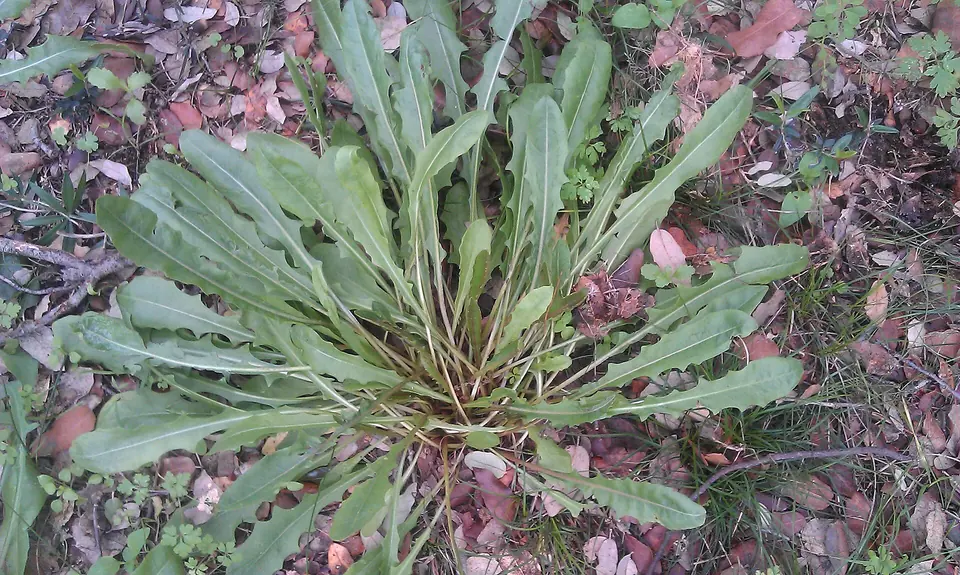
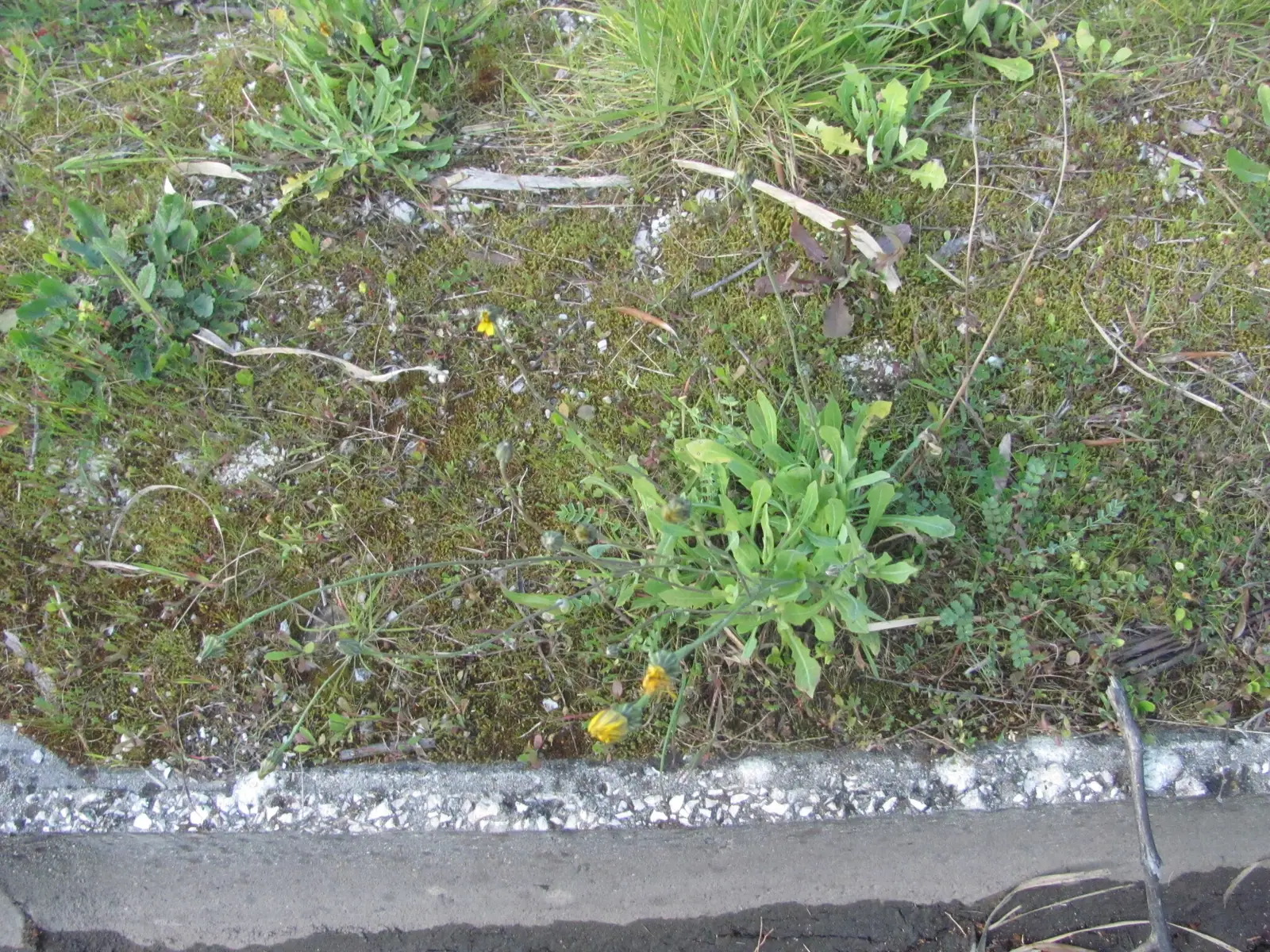

How to Grow and Care for Common brighteyes
Reichardia picroides
Written by Emilio Marruso · last checked
Toxic to: People · Why
At a glance
This perennial gives you salad leaves with a pleasant, slightly sweet flavor and very little fiber, a lovely stand-in for lettuce. Sow it from early spring right through to autumn, and you can start cutting within 10 weeks; it keeps coming back after each cut. Give it sun, a little summer shade for the best leaves, and it may even sow itself.
- Sun
Sun; a little shade in summer gives better leaves
What the sources say (2)
- Water
Dislikes very wet weather
What the sources say (1)
Watering notes: Dislikes very wet weather
Plants are also likely to be hardier in well-drained soils and dislike very wet weather
— Reichardia picroides - Useful Temperate Plants [3] - Cold
Survives winters down to 10 °F (−12.2 °C)
Hardy in cold winters · USDA 8 · RHS H5 · Z8
What the sources say (1)
Hardiness, coldest zone: 8 [winter low −12.2 to −6.7 °C (10 to 20 °F)]
Water moderate Hardiness Zone 8+ Soil textures
— French Scorzonera (Reichardia picroides) — Practical Plants [7] - Planting
Plant out indoor-sown seedlings in late spring or early summer
What the sources say (1)
Planting: Late spring or early summer (greenhouse-sown seedlings planted out)
and then planting them out in late spring or early summer
— Reichardia picroides - Useful Temperate Plants [3] - Harvest
Cut sweet, tender salad leaves within 10 weeks of sowing; they grow back
What the sources say (1)
Harvest: Within 10 weeks of sowing (cut and come again)
producing a harvestable yield within 10 weeks of sowing the seed
— Reichardia picroides - Useful Temperate Plants [3] - Propagation
From seed; it sows itself freely in dug-up ground
What the sources say (2)
Propagation: Seed; self-sows freely in disturbed ground
Seed - sow early to mid spring in a warm position outdoors and then in succession if required until the autumn.
— Reichardia picroides - Useful Temperate Plants [3] Established plants can self-sow quite freely in disturbed ground
— Reichardia picroides - Useful Temperate Plants [3] - Sowing
Sow in early to mid spring, then in batches until autumn
What the sources say (1)
Sowing: Early to mid spring, then in succession until autumn
Seed - sow early to mid spring in a warm position outdoors and then in succession if required until the autumn.
— Reichardia picroides - Useful Temperate Plants [3] - Safety
No known hazards to people
Overview
Terracrepolo is a perennial Mediterranean herb whose leaves are eaten raw or cooked and which has been cultivated as a salad crop. [3] It grows in dry, rocky, calcareous soils in open space and is easy to grow in a sunny position on well-drained soil. [1][3] It is raised from seed sown from early spring and can give a harvestable yield within 10 weeks of sowing. [3]
This record is incomplete: the sources we read do not cover every field yet.
Not yet covered by our sources: Spacing
Common brighteyes care
How to water Common brighteyes
Watering
The sources give different values depending on region, zone or growing conditions.
What each source says
According to Useful Temperate Plants: Plenty of moisture in the growing season; fairly drought tolerant once established
According to Practical Plants: Moderate water; drought intolerant
What the sources say (2)
According to Useful Temperate Plants: It prefers plenty of moisture in the growing seasonAccording to Practical Plants: Water
moderate
Hardiness
Zone 8+
Soil texturesWatering notes
Dislikes very wet weather
What the sources say (1)
Plants are also likely to be hardier in well-drained soils and dislike very wet weatherHow much light Common brighteyes needs
Sunny position; a shadier position in summer gives better-quality leaves
How much cold Common brighteyes can take
8 [winter low −12.2 to −6.7 °C (10 to 20 °F)]
What the sources say (1)
Water
moderate
Hardiness
Zone 8+
Soil texturesWhere to grow Common brighteyes
Not stated in the sources we read.
How to propagate Common brighteyes
Seed; self-sows freely in disturbed ground
What the sources say (2)
Seed - sow early to mid spring in a warm position outdoors and then in succession if required until the autumn.Established plants can self-sow quite freely in disturbed groundHow to grow Common brighteyes
The plant
Life cycle
perennial
What the sources say (1)
The annual regrowth dynamics of this perennial species occurs through: i) the sprouting of basal budsFamily
Asteraceae
What the sources say (1)
Terracrepolo (Reichardia picroides (L.) Roth.), belonging to the Asteraceae botanic family, is a steno-Mediterranean herbRemedies
The sources we checked give no remedies for this plant.
Is Common brighteyes poisonous?
Reported by the source, quoted verbatim. This is not medical or veterinary advice: if a person or an animal may have eaten this plant, contact a poison control centre or a veterinarian.
## Known Hazards None known
[3]
Calendar
Sowing
Early to mid spring, then in succession until autumn
What the sources say (1)
Seed - sow early to mid spring in a warm position outdoors and then in succession if required until the autumn.Planting
Late spring or early summer (greenhouse-sown seedlings planted out)
What the sources say (1)
and then planting them out in late spring or early summerHarvest
Within 10 weeks of sowing (cut and come again)
What the sources say (1)
producing a harvestable yield within 10 weeks of sowing the seedMonths as given by the sources, which are mostly from the United States (northern hemisphere). In the southern hemisphere they shift by about six months.
Edibility
Reported by the source, quoted verbatim. Do not eat a plant on the basis of this page alone: identification mistakes can be dangerous.
Similar plants
- Cardoon Cynara cardunculus
- Chicory Cichorium intybus
- Common Burdock Arctium minus
- Common golden thistle Scolymus hispanicus
- Common nipplewort Lapsana communis
- Common sowthistle Sonchus oleraceus
- Crown daisy Glebionis coronaria
- Cultivated endive Cichorium endivia
Sources
Every value above is quoted from these documents. Links lead to the original publisher.
- Scientia Horticulturae 240 (2018) 224–231 · iris.santannapisa.it, consulted
- Reichardia picroides (L.) Roth - Herbari Virtual del Mediterrani Occidental · herbarivirtual.uib.cat, consulted
- Reichardia picroides - Useful Temperate Plants · temperate.theferns.info, consulted
- Reichardia picroides Roth. · floraofgibraltar.myspecies.info, consulted
- Reichardia picroides (Common reichardia) : MaltaWildPlants.com - the online Flora of the Maltese Islands. · maltawildplants.com, consulted
- Plants of Hawai'i | Bishop Museum · plantsofhawaii.org, consulted
- French Scorzonera (Reichardia picroides) — Practical Plants · practicalplants.org, consulted
Written by Emilio Marruso · last checked