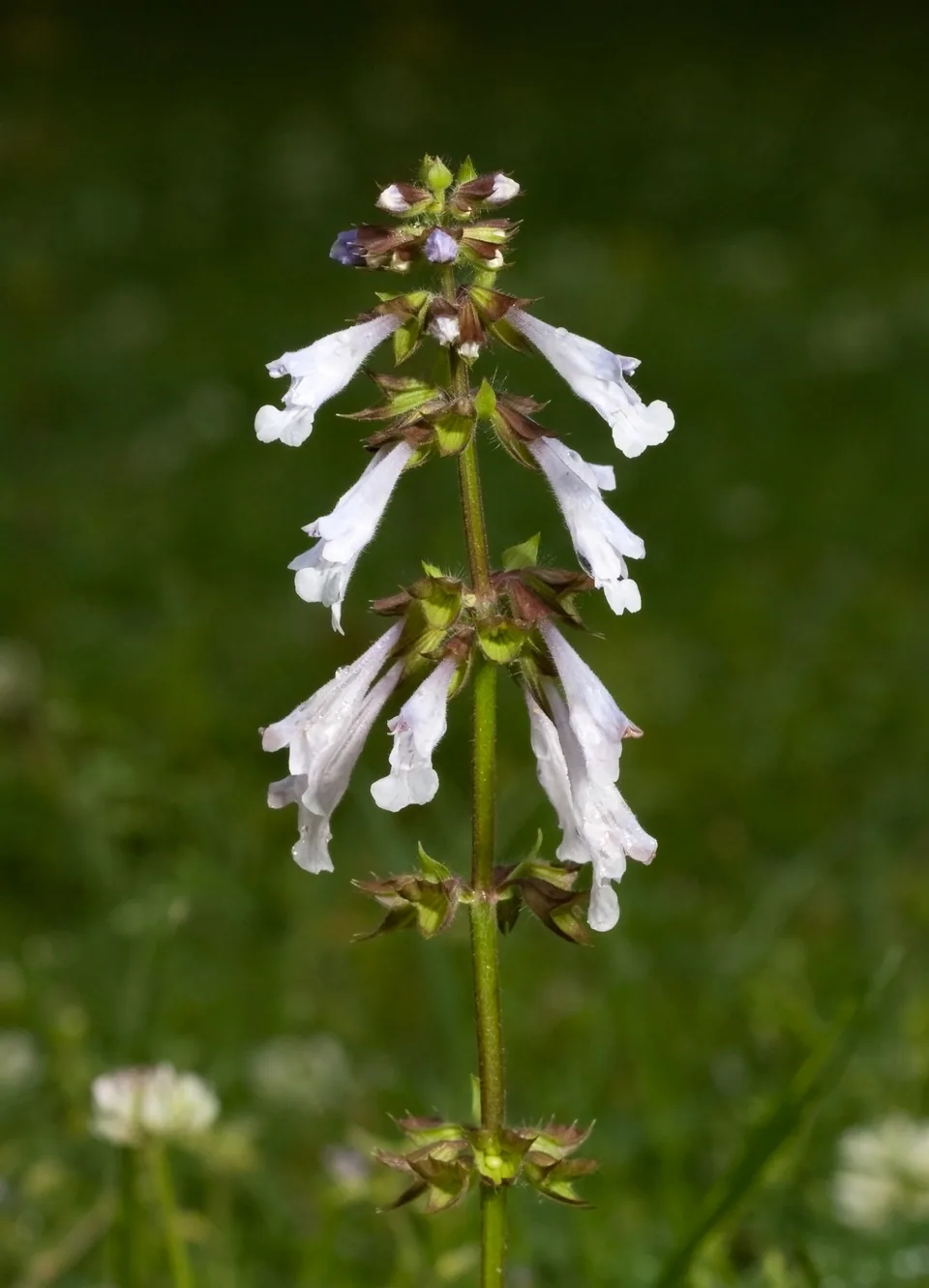
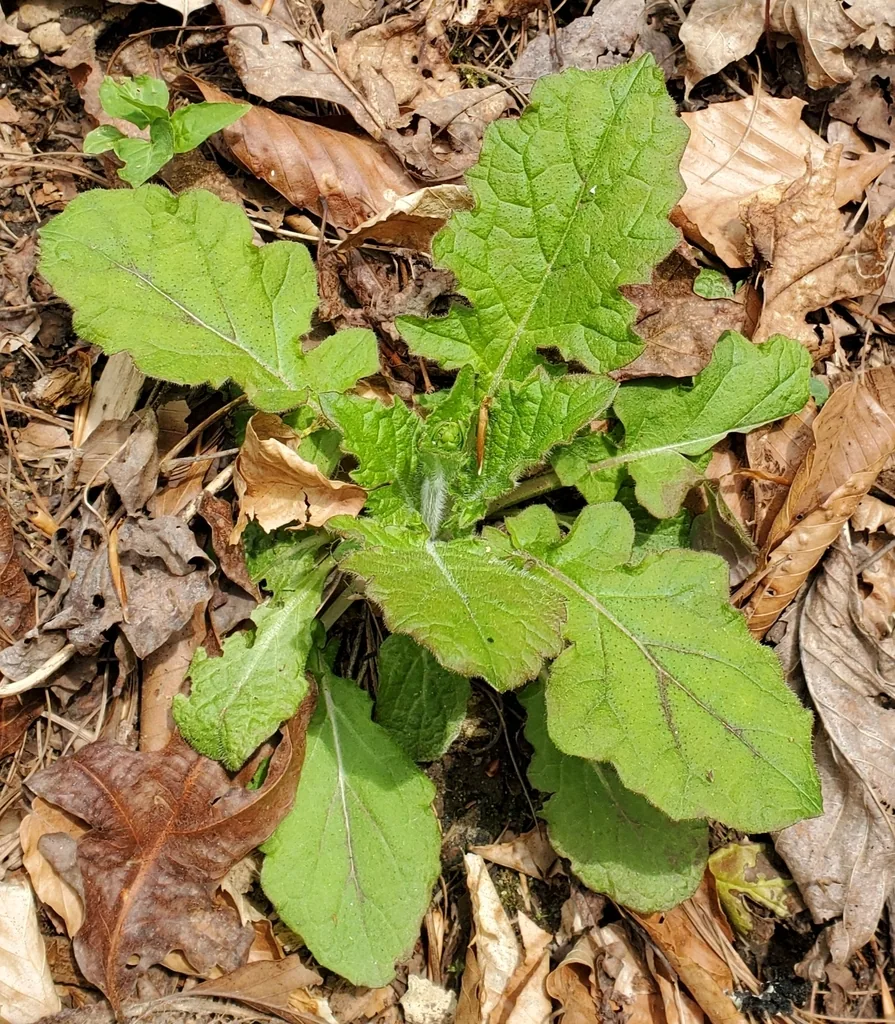

How to Grow and Care for Lyreleaf Sage
Salvia lyrata
Written by Emilio Marruso · last checked
At a glance
This easygoing perennial sage fits almost any garden spot: it grows in full sun or partial shade, likes medium-moist, well-drained soil and handles drought once established. It even tolerates occasional flooding and wet soil. Reaching 1–2 feet tall, it is simple to multiply from seed or by division, so one plant can soon become many.
- Sun
Full sun to partial shade
What the sources say (1)
Light: Full sun to partial shade
Plant in poor-to-average, medium-moist, well-drained soil in full sun to partial shade.
— Salvia lyrata (Lyreleaf Sage, Lyre-leaved Sage) | North Carolina Extension Gardener Plant Toolbox [1] - Water
Keep the soil medium-moist; handles drought once established and even occasional flooding
What the sources say (2)
Watering: Medium-moist, well-drained soil; tolerates drought once established
Plant in poor-to-average, medium-moist, well-drained soil in full sun to partial shade. It tolerates heat and humidity, as well as drought, once established.
— Salvia lyrata (Lyreleaf Sage, Lyre-leaved Sage) | North Carolina Extension Gardener Plant Toolbox [1] Watering notes: Tolerates occasional flooding and wet soil
Because it tolerates occasional flooding and wet soil, it makes a good addition to a rain garden.
— Salvia lyrata (Lyreleaf Sage, Lyre-leaved Sage) | North Carolina Extension Gardener Plant Toolbox [1] - Cold
Survives winters down to −20 °F (−28.9 °C)
Very hardy · USDA 5a · RHS H7 · Z5
What the sources say (2)
Hardiness, coldest zone: 5a [winter low −28.9 to −26.1 °C (−20 to −15 °F)]
USDA Plant Hardiness Zone: 5a, 5b, 6a, 6b, 7a, 7b, 8a, 8b
— Salvia lyrata (Lyreleaf Sage, Lyre-leaved Sage) | North Carolina Extension Gardener Plant Toolbox [1] Hardiness, warmest zone: 8b [winter low −9.4 to −6.7 °C (15 to 20 °F)]
USDA Plant Hardiness Zone: 5a, 5b, 6a, 6b, 7a, 7b, 8a, 8b
— Salvia lyrata (Lyreleaf Sage, Lyre-leaved Sage) | North Carolina Extension Gardener Plant Toolbox [1] - Soil
Well-drained soil
What the sources say (1)
Watering: Medium-moist, well-drained soil; tolerates drought once established
Plant in poor-to-average, medium-moist, well-drained soil in full sun to partial shade. It tolerates heat and humidity, as well as drought, once established.
— Salvia lyrata (Lyreleaf Sage, Lyre-leaved Sage) | North Carolina Extension Gardener Plant Toolbox [1] - Size
1–2 ft tall and 6–12 in wide
What the sources say (2)
Mature height: 30.48-60.96 cm (1-2 ft)
Dimensions: Height: 1 ft. 0 in. - 2 ft. 0 in. Width: 0 ft. 6 in. - 1 ft. 0 in.
— Salvia lyrata (Lyreleaf Sage, Lyre-leaved Sage) | North Carolina Extension Gardener Plant Toolbox [1] Mature width: 15.24-30.48 cm (0.5-1 ft)
Dimensions: Height: 1 ft. 0 in. - 2 ft. 0 in. Width: 0 ft. 6 in. - 1 ft. 0 in.
— Salvia lyrata (Lyreleaf Sage, Lyre-leaved Sage) | North Carolina Extension Gardener Plant Toolbox [1] - Propagation
From seed or by division; collect seeds before the seed pods fully dry out
What the sources say (3)
Propagation: Seed, division
Propagate by collecting seeds before seed capsules fully dry out.
— Salvia lyrata (Lyreleaf Sage, Lyre-leaved Sage) | North Carolina Extension Gardener Plant Toolbox [1] Recommended Propagation Strategy: Division Seed Country Or Region Of Origin:
— Salvia lyrata (Lyreleaf Sage, Lyre-leaved Sage) | North Carolina Extension Gardener Plant Toolbox [1] Saving seeds: collect seeds before the seed capsules fully dry out
Propagate by collecting seeds before seed capsules fully dry out. It reseeds easily in loose, sandy soil.
— Salvia lyrata (Lyreleaf Sage, Lyre-leaved Sage) | North Carolina Extension Gardener Plant Toolbox [1]
Overview
Lyreleaf sage is an herbaceous perennial that forms a rosette and is native to the eastern and central United States. [1] It grows in poor-to-average, medium-moist, well-drained soil in full sun to partial shade and tolerates drought once established. [1]
This record is incomplete: the sources we read do not cover every field yet.
Not yet covered by our sources: Pruning
Lyreleaf Sage care
How to water Lyreleaf Sage
Watering
Medium-moist, well-drained soil; tolerates drought once established
What the sources say (1)
Plant in poor-to-average, medium-moist, well-drained soil in full sun to partial shade. It tolerates heat and humidity, as well as drought, once established.Watering notes
Tolerates occasional flooding and wet soil
What the sources say (1)
Because it tolerates occasional flooding and wet soil, it makes a good addition to a rain garden.How much light Lyreleaf Sage needs
Full sun to partial shade
What the sources say (1)
Plant in poor-to-average, medium-moist, well-drained soil in full sun to partial shade.How much cold Lyreleaf Sage can take
Hardiness, coldest zone
5a [winter low −28.9 to −26.1 °C (−20 to −15 °F)]
What the sources say (1)
USDA Plant Hardiness Zone:
5a, 5b, 6a, 6b, 7a, 7b, 8a, 8bHardiness, warmest zone
8b [winter low −9.4 to −6.7 °C (15 to 20 °F)]
What the sources say (1)
USDA Plant Hardiness Zone:
5a, 5b, 6a, 6b, 7a, 7b, 8a, 8bHow to propagate Lyreleaf Sage
Seed, division
What the sources say (2)
Propagate by collecting seeds before seed capsules fully dry out.Recommended Propagation Strategy:
Division
Seed
Country Or Region Of Origin:How to grow Lyreleaf Sage
The plant
Life cycle
perennial
What the sources say (1)
Lyreleaf sage is an herbaceous perennial in the mint family (Lamiaceae) native to the eastern and central United States.Family
Lamiaceae
What the sources say (1)
Lyreleaf sage is an herbaceous perennial in the mint family (Lamiaceae) native to the eastern and central United States.Mature height
30.48-60.96 cm (1-2 ft)
What the sources say (1)
Dimensions:
Height: 1 ft. 0 in. - 2 ft. 0 in.
Width: 0 ft. 6 in. - 1 ft. 0 in.Mature width
15.24-30.48 cm (0.5-1 ft)
What the sources say (1)
Dimensions:
Height: 1 ft. 0 in. - 2 ft. 0 in.
Width: 0 ft. 6 in. - 1 ft. 0 in.Harvest and storage
Saving seeds
collect seeds before the seed capsules fully dry out
What the sources say (1)
Propagate by collecting seeds before seed capsules fully dry out. It reseeds easily in loose, sandy soil.Fertilizing
When
The sources give different values depending on region, zone or growing conditions.
What each source says
Salvia in general: Each spring
What the sources say (1)
Salvia in general: Additionally, salvia will do best with an application of a balanced, slow-release fertilizer each spring.How often
The sources give different values depending on region, zone or growing conditions.
What each source says
Salvia in general: Once a year, in spring
What the sources say (1)
Salvia in general: Additionally, salvia will do best with an application of a balanced, slow-release fertilizer each spring.Mineral fertilizers
The sources give different values depending on region, zone or growing conditions.
What each source says
Salvia in general: Balanced, slow-release fertilizer
What the sources say (1)
Salvia in general: Additionally, salvia will do best with an application of a balanced, slow-release fertilizer each spring.Remedies
Each remedy shows what official sources say about it; traditional remedies without an official source are marked as such. Harmful ones are listed so you know to avoid them.
Treating the plant
powdery mildew
baking soda spray Not verified
Traditional remedy, not verified by an official source.
I repeat that this treatment only helps prevent the disease and won’t cure it.
— laidbackgardener.blog [6] How: Mix 1 tsp (5 mL) of baking soda into 1 quart (1 liter) of water and spray; add a few drops of insecticidal soap or dish soap so it sticks to the leaf; repeat once a week while the disease might be active.
milk spray Not verified
Traditional remedy, not verified by an official source.
How: Add one part milk to nine parts water and spray to saturation; skim milk is as effective as whole milk.
aphids
strong water jet Works
How: A strong jet of water physically dislodges most aphids.
but a particularly strong jet of water will dislodge/kill most of them physically, as well.
— extension.umaine.edu [7] What the evidence says but a particularly strong jet of water will dislodge/kill most of them physically, as well.
— extension.umaine.edu [7]
Calendar
Pruning
Not stated in the sources we read.
Months as given by the sources, which are mostly from the United States (northern hemisphere). In the southern hemisphere they shift by about six months.
Indicative values
Values from a secondary source, not checked word for word like the rest of this page. Use them as a starting point.
- Hours of sun
- 6-8 hoursIndicative value, adapt it to your climate · Secondary source
- Soil pH
- 6-7.5Indicative value, adapt it to your climate · Secondary source
- Care level
- MediumIndicative value, adapt it to your climate · Secondary source
- Growth rate
- LowIndicative value, adapt it to your climate · Secondary source
- Pruning
- June, July, AugustIndicative value, adapt it to your climate · Secondary source
Similar plants
- Anise Sage Salvia guaranitica
- Arrowleaf Sage Salvia sagittata
- Autumn Sage Salvia greggii
- Blue Sage Salvia azurea
- Bog Sage Salvia uliginosa
- Cedar Sage Salvia roemeriana
- Clary Sage Salvia sclarea
- Little Leaf Sage Salvia microphylla
Sources
Every value above is quoted from these documents. Links lead to the original publisher.
- Salvia lyrata (Lyreleaf Sage, Lyre-leaved Sage) | North Carolina Extension Gardener Plant Toolbox · plants.ces.ncsu.edu, consulted
- Lyreleaf Sage - Salvia lyrata | North Carolina Extension Gardener Plant Toolbox · plants.ces.ncsu.edu, consulted
- Salvia (Sage, Salvia) | North Carolina Extension Gardener Plant Toolbox · plants.ces.ncsu.edu, consulted
- Salvia - Salvia | North Carolina Extension Gardener Plant Toolbox · plants.ces.ncsu.edu, consulted
- gardeningsolutions.ifas.ufl.edu · gardeningsolutions.ifas.ufl.edu
- laidbackgardener.blog · laidbackgardener.blog
- extension.umaine.edu · extension.umaine.edu
Written by Emilio Marruso · last checked