
How to Grow and Care for Japanese lime
Tilia japonica
Written by Emilio Marruso · last checked
At a glance
Japanese linden is a plant you can enjoy in more ways than one: its young leaves can be eaten raw or cooked, and its flowers make a tea. It grows happily in sun or partial shade as long as the soil stays moist, and you can start new plants from fresh seed, layering or suckers.
- Sun
Sun to partial shade
What the sources say (1)
Light: Sun to semi-shade
Succeeds in sun or semi-shade
— Tilia japonica - Useful Temperate Plants [3] - Water
Likes moist soil; grows poorly if the soil is very dry or very wet
What the sources say (2)
- Planting
Plant in late spring or early summer, after the last frosts
What the sources say (1)
Planting: Late spring or early summer, after the last expected frosts
Plant them out into their permanent positions in late spring or early summer, after the last expected frosts.
— Tilia japonica - Useful Temperate Plants [3] - Harvest
Eat young leaves raw or cooked; parboil the flowers for greens or soups, or make tea
- Pests
Aphids coat the leaves and the ground below with sticky honeydew
- Propagation
From seed, layering or suckers
What the sources say (2)
Propagation: Seed; layering; suckers
Layering in spring just before the leaves unfurl. Takes 1 - 3 years
— Tilia japonica - Useful Temperate Plants [3] Suckers, when formed, can be removed with as much root as possible during the dormant season and replanted immediately
— Tilia japonica - Useful Temperate Plants [3] - Sowing
Sow fresh, ripe seed right away in a cold frame
What the sources say (1)
Sowing: Fresh ripe seed sown immediately in a cold frame
obtain fresh seed that is ripe but has not as yet developed a hard seed coat and sow it immediately in a cold frame
— Tilia japonica - Useful Temperate Plants [3]
Overview
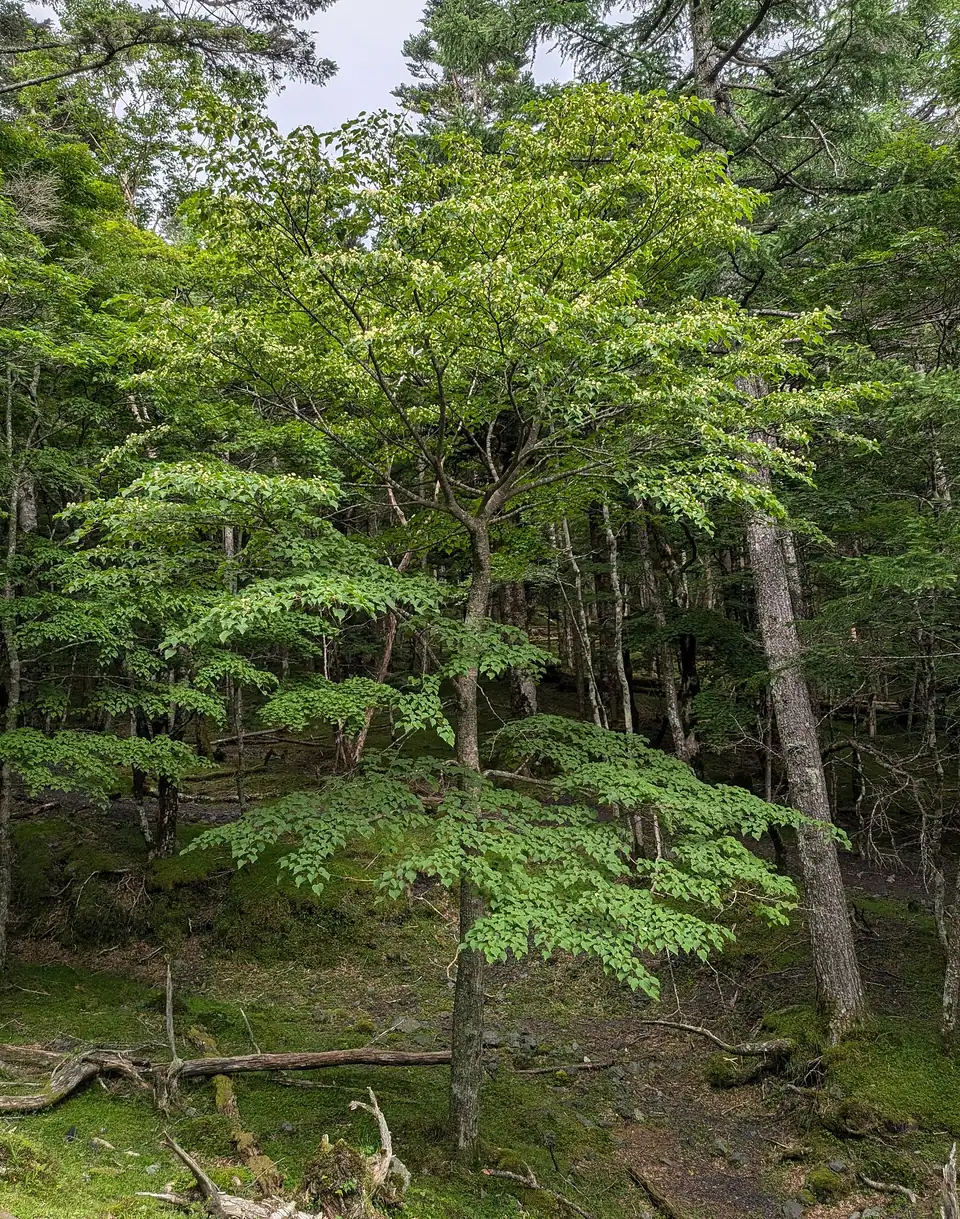
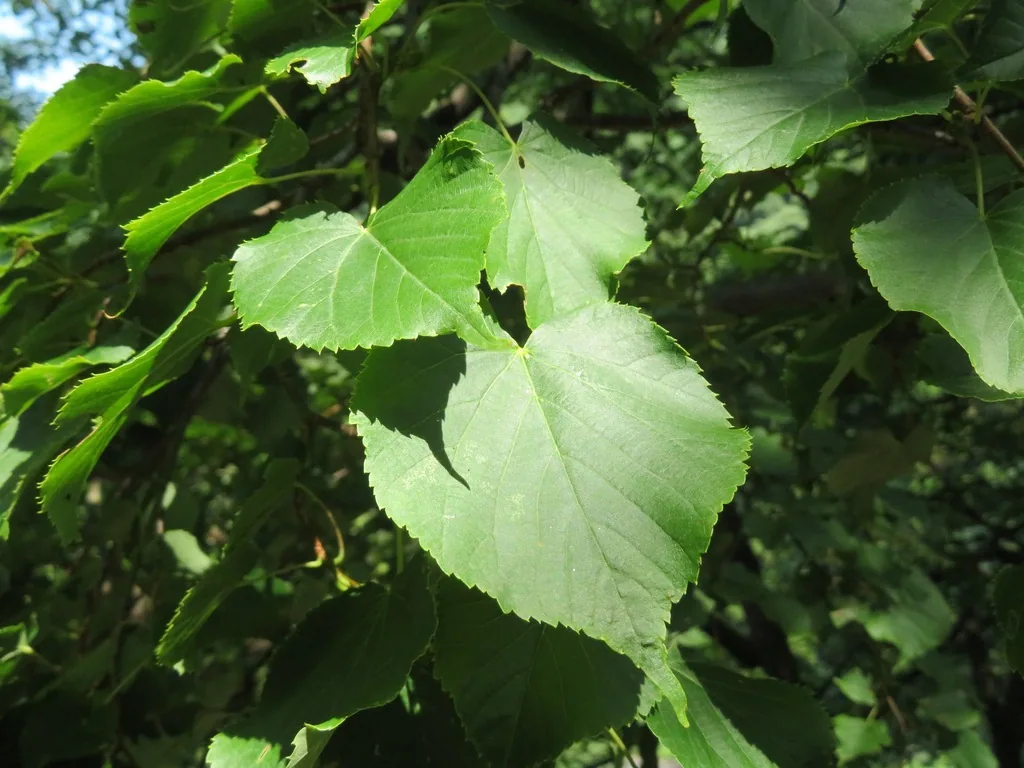
Tilia japonica is a deciduous tree to 20 m [65.6 ft], native to China and Japan, with abundant sweetly scented flowers. [3][2] It succeeds in sun or semi-shade, prefers a moist loamy soil, and dislikes exposed positions. [3] Seed can take up to 8 years to germinate, so layering and suckers are alternative propagation methods. [3]
This record is incomplete: the sources we read do not cover every field yet.
Not yet covered by our sources: Hardiness, coldest zone, Hardiness, warmest zone, Pruning
Japanese lime care
Measurements in square brackets are our conversion into the other unit system; the quoted text is unchanged.
How to water Japanese lime
Moist soil preferred; grows poorly on very dry or very wet soil
How much light Japanese lime needs
Sun to semi-shade
What the sources say (1)
Succeeds in sun or semi-shadeHow much cold Japanese lime can take
Hardiness, coldest zone
The sources give different values depending on region, zone or growing conditions.
What each source says
According to Trees and Shrubs Online: 4 [winter low −34.4 to −28.9 °C (−30 to −20 °F)]
What the sources say (1)
According to Trees and Shrubs Online: USDA Hardiness Zone  4 RHS Hardiness Rating  H7Hardiness, warmest zone
Not stated in the sources we read.
How to propagate Japanese lime
Seed; layering; suckers
What the sources say (2)
Layering in spring just before the leaves unfurl. Takes 1 - 3 yearsSuckers, when formed, can be removed with as much root as possible during the dormant season and replanted immediatelyJapanese lime pests and problems
Aphids and honeydew
Symptom: Aphids cover the ground and leaves with sticky honeydew
What the sources say (1)
Trees are usually attacked by aphids which cover the ground and the leaves with a sticky honeydew
— Tilia japonica - Useful Temperate Plants [3]
Remedies
The sources we checked give no remedies for this plant.
Calendar
Sowing
Fresh ripe seed sown immediately in a cold frame
What the sources say (1)
obtain fresh seed that is ripe but has not as yet developed a hard seed coat and sow it immediately in a cold framePlanting
Late spring or early summer, after the last expected frosts
What the sources say (1)
Plant them out into their permanent positions in late spring or early summer, after the last expected frosts.Pruning
Not stated in the sources we read.
Months as given by the sources, which are mostly from the United States (northern hemisphere). In the southern hemisphere they shift by about six months.
Edibility
Reported by the source, quoted verbatim. Do not eat a plant on the basis of this page alone: identification mistakes can be dangerous.
Indicative values
Values from a secondary source, not checked word for word like the rest of this page. Use them as a starting point.
- Life cycle
- PerennialIndicative value, adapt it to your climate · Secondary source
- Mature height
- 1524-1981.2 cm (50-65 ft)Indicative value, adapt it to your climate · Secondary source
- Hours of sun
- 3-5 hoursIndicative value, adapt it to your climate · Secondary source
- Drought tolerant
- yesIndicative value, adapt it to your climate · Secondary source
- Soil pH
- 5.5-7.5Indicative value, adapt it to your climate · Secondary source
- Growth rate
- HighIndicative value, adapt it to your climate · Secondary source
- Pruning
- March, April, February, MarchIndicative value, adapt it to your climate · Secondary source
Similar plants
- Bigleaf Linden Tilia platyphyllos
- Linden Tilia americana
- Littleleaf Linden Tilia cordata
- Mongolian Linden Tilia mongolica
- Silver Linden Tilia tomentosa
- Tilia amurensis Tilia amurensis
- Aaron's Beard Hypericum calycinum
- Abies grandis Abies grandis
Sources
Every value above is quoted from these documents. Links lead to the original publisher.
- Japanese Lime (Tilia japonica) — Practical Plants · practicalplants.org, consulted
- Tilia japonica - Trees and Shrubs Online · treesandshrubsonline.org, consulted
- Tilia japonica - Useful Temperate Plants · temperate.theferns.info, consulted
Written by Emilio Marruso · last checked