.jpg)
How to Grow and Care for Linden
Tilia americana
Written by Emilio Marruso · last checked
Toxic to: People · Why
At a glance
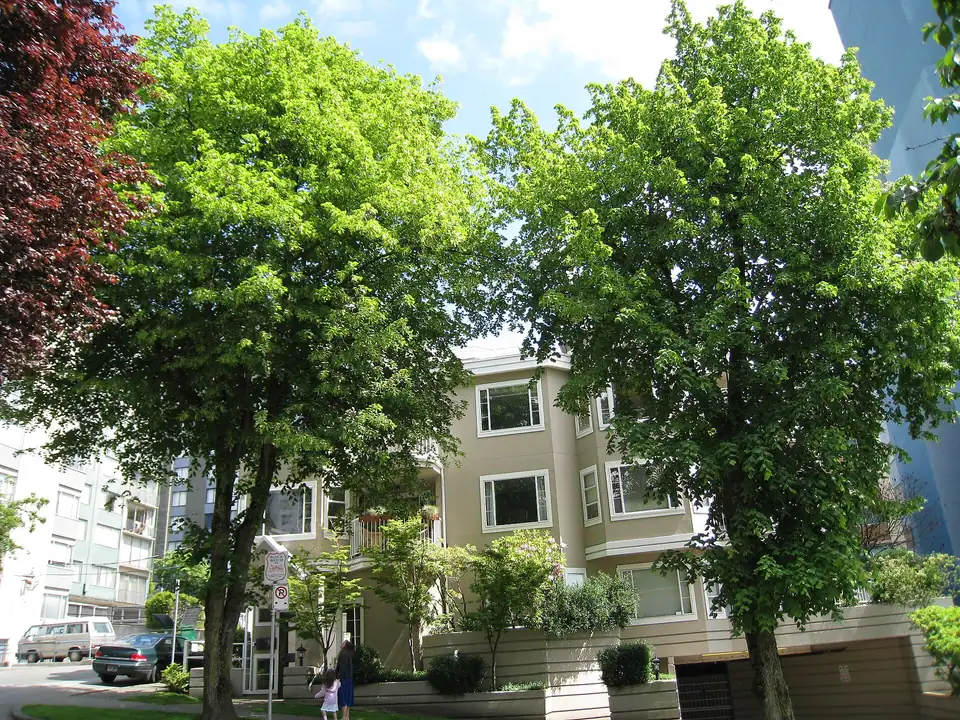
American linden grows into a grand tree, 60 to 80 feet tall, happy in full sun or part shade. Once established it handles some drought, and it adapts to clay or even dry, rocky soil. Its dried flowers make tea, its sweet sap makes syrup, its leaves can go into salads, and honey from this tree is prized for its flavor.
- Sun
Full sun to part shade
What the sources say (2)
Light: Full sun to part shade
in full sun to part shade, it can reach heights of 60 to 80 feet
— Tilia americana (American Basswood, American Linden, Basswood, Bee Tree, Carolina Basswood, Lime Tree, Linden, White Basswood, White Wood) | North Carolina Extension Gardener Plant Toolbox [1] Full sun to partial shade; moist, well drained soils
— Selecting Trees for Your Home - American Linden, Basswood (Tilia americana) [2] - Water
Average watering; once established it handles some drought
What the sources say (1)
Watering: Average, medium moisture, well-drained soil; some drought tolerance once established
Easily grown in average, medium moisture, well-drained soils in full sun to part shade
— Tilia americana (American Basswood, American Linden, Basswood, Bee Tree, Carolina Basswood, Lime Tree, Linden, White Basswood, White Wood) | North Carolina Extension Gardener Plant Toolbox [1] - Cold
Survives winters down to −40 °F (−40 °C)
Very hardy · USDA 3a · RHS H7 · Z3
What the sources say (5)
Hardiness, coldest zone: 3a [winter low −40 to −37.2 °C (−40 to −35 °F)]
USDA Plant Hardiness Zone: 3a, 3b, 4a, 4b, 5a, 5b, 6a, 6b, 7a, 7b, 8a, 8b
— Tilia americana (American Basswood, American Linden, Basswood, Bee Tree, Carolina Basswood, Lime Tree, Linden, White Basswood, White Wood) | North Carolina Extension Gardener Plant Toolbox [1] Hardiness, warmest zone: 8b [winter low −9.4 to −6.7 °C (15 to 20 °F)]
According to NC State Extension: USDA Plant Hardiness Zone: 3a, 3b, 4a, 4b, 5a, 5b, 6a, 6b, 7a, 7b, 8a, 8b
— Tilia americana (American Basswood, American Linden, Basswood, Bee Tree, Carolina Basswood, Lime Tree, Linden, White Basswood, White Wood) | North Carolina Extension Gardener Plant Toolbox [1] According to Penn State Extension: Hardy in USDA Plant Hardiness Zones 3 to 8, American linden will grow best in full sun to part shade.
— A Native Tree for You to Love: The American Linden [7] According to University of Illinois Extension: Native To: United States (and Illinois) USDA Hardiness Zone 3 - 6
— American Linden, Basswood (Tilia americana)-Hort Answers - University of Illinois Extension [8] USDA Plant Hardiness Zone: 3a, 3b, 4a, 4b, 5a, 5b, 6a, 6b, 7a, 7b, 8a, 8b
— Tilia americana (American Basswood, American Linden, Basswood, Bee Tree, Carolina Basswood, Lime Tree, Linden, White Basswood, White Wood) | North Carolina Extension Gardener Plant Toolbox [1] - Soil
Likes rich, moist soil that drains well; also handles clay and dry, rocky soil
What the sources say (3)
Watering notes: Tolerant of clay soil and adaptable to dry, rocky soils; prefers fertile moist well-drained loams
It is easy to transplant, is tolerant of clay soil, and adaptable to dry, rocky soils. It has some drought tolerance once established.
— Tilia americana (American Basswood, American Linden, Basswood, Bee Tree, Carolina Basswood, Lime Tree, Linden, White Basswood, White Wood) | North Carolina Extension Gardener Plant Toolbox [1] This tree prefers fertile moist well-drained loams. Fall color is pale yellow-green.
— Tilia americana (American Basswood, American Linden, Basswood, Bee Tree, Carolina Basswood, Lime Tree, Linden, White Basswood, White Wood) | North Carolina Extension Gardener Plant Toolbox [1] Watering: Average, medium moisture, well-drained soil; some drought tolerance once established
Easily grown in average, medium moisture, well-drained soils in full sun to part shade
— Tilia americana (American Basswood, American Linden, Basswood, Bee Tree, Carolina Basswood, Lime Tree, Linden, White Basswood, White Wood) | North Carolina Extension Gardener Plant Toolbox [1] - Harvest
Dried flowers for tea, sweet sap for syrup, leaves for salads
- Pests
Aphids, borers and Japanese beetles; spider mites in hot, dry weather; wilt disease is rare but can kill it
What the sources say (2)
Pests: linden aphids, borers, Japanese beetles, lace bugs, caterpillars, scale, spider mites
You may see linden aphids, borers, Japanese beetles, lace bugs, caterpillars, and scale. In hot, dry conditions spider mites may pose a significant problem.
— Tilia americana (American Basswood, American Linden, Basswood, Bee Tree, Carolina Basswood, Lime Tree, Linden, White Basswood, White Wood) | North Carolina Extension Gardener Plant Toolbox [1] Diseases: Verticillium wilt, powdery mildew, leaf spots, cankers
While infrequent, Verticillium wilt can be fatal. Powdery mildew, leaf spots, and cankers are other diseases that rarely occur.
— Tilia americana (American Basswood, American Linden, Basswood, Bee Tree, Carolina Basswood, Lime Tree, Linden, White Basswood, White Wood) | North Carolina Extension Gardener Plant Toolbox [1] - Watch out
Sensitive to heat and packed-down soil; does not do well in cities
- Size
60 to 80 ft tall
What the sources say (3)
Mature height: 1829-2438 cm (60-80 ft)
Height: 60 ft. 0 in. - 80 ft. 0 in.
— Tilia americana (American Basswood, American Linden, Basswood, Bee Tree, Carolina Basswood, Lime Tree, Linden, White Basswood, White Wood) | North Carolina Extension Gardener Plant Toolbox [1] Growing 60 to 80 feet tall, American lindens are generally pyramidal when young
— A Native Tree for You to Love: The American Linden [7] Growing 60-80’ tall and 30-50’ wide
— Native Trees of Maryland - The Tree That Sings: American Basswood (Tilia americana) | University of Maryland Extension [4] - Propagation
Grows from seed
What the sources say (1)
Propagation: Seed
Recommended Propagation Strategy: Seed Country Or Region Of Origin:
— Tilia americana (American Basswood, American Linden, Basswood, Bee Tree, Carolina Basswood, Lime Tree, Linden, White Basswood, White Wood) | North Carolina Extension Gardener Plant Toolbox [1] - Safety
Safe for cats, dogs and horses; too much flower tea can harm the heart
Overview
American linden is a large deciduous shade tree native to eastern North America, reaching 60 to 80 feet [18.3–24.4 m]. [1][7] It grows in average, medium moisture, well-drained soil in full sun to part shade. [1]
This record is incomplete: the sources we read do not cover every field yet.
Not yet covered by our sources: Pruning
Linden care
Measurements in square brackets are our conversion into the other unit system; the quoted text is unchanged.
How to water Linden
Watering
Average, medium moisture, well-drained soil; some drought tolerance once established
What the sources say (1)
Easily grown in average, medium moisture, well-drained soils in full sun to part shadeWatering notes
Tolerant of clay soil and adaptable to dry, rocky soils; prefers fertile moist well-drained loams
What the sources say (2)
It is easy to transplant, is tolerant of clay soil, and adaptable to dry, rocky soils. It has some drought tolerance once established.This tree prefers fertile moist well-drained loams. Fall color is pale yellow-green.How much light Linden needs
Full sun to part shade
What the sources say (2)
in full sun to part shade, it can reach heights of 60 to 80 feetFull sun to partial shade; moist, well drained soilsHow much cold Linden can take
Hardiness, coldest zone
3a [winter low −40 to −37.2 °C (−40 to −35 °F)]
What the sources say (1)
USDA Plant Hardiness Zone:
3a, 3b, 4a, 4b, 5a, 5b, 6a, 6b, 7a, 7b, 8a, 8bHardiness, warmest zone
8b [winter low −9.4 to −6.7 °C (15 to 20 °F)]
What each source says
According to NC State Extension: 8b [winter low −9.4 to −6.7 °C (15 to 20 °F)]
According to Penn State Extension: 8 [winter low −12.2 to −6.7 °C (10 to 20 °F)]
According to University of Illinois Extension: 6 [winter low −23.3 to −17.8 °C (−10 to 0 °F)]
What the sources say (4)
According to NC State Extension: USDA Plant Hardiness Zone:
3a, 3b, 4a, 4b, 5a, 5b, 6a, 6b, 7a, 7b, 8a, 8bAccording to Penn State Extension: Hardy in USDA Plant Hardiness Zones 3 to 8, American linden will grow best in full sun to part shade.According to University of Illinois Extension: Native To:
United States (and Illinois)
USDA Hardiness Zone
3 - 6USDA Plant Hardiness Zone:
3a, 3b, 4a, 4b, 5a, 5b, 6a, 6b, 7a, 7b, 8a, 8bHow to propagate Linden
Seed
What the sources say (1)
Recommended Propagation Strategy:
Seed
Country Or Region Of Origin:How to grow Linden
The plant
Life cycle
woody
What the sources say (1)
Life Cycle: WoodyFamily
Malvaceae
What the sources say (3)
American linden is a useful large shade tree in the Malvaceae (mallow) familyA member of the mallow (Malvaceae) family, it is often used in large areas as a shade treeA member of the Malvaceae (mallow) family, basswood is a fast-growing treeMature height
1829-2438 cm (60-80 ft)
What the sources say (3)
Height: 60 ft. 0 in. - 80 ft. 0 in.Growing 60 to 80 feet tall, American lindens are generally pyramidal when youngGrowing 60-80’ tall and 30-50’ widePests and diseases
Pests
linden aphids, borers, Japanese beetles, lace bugs, caterpillars, scale, spider mites
What the sources say (1)
You may see linden aphids, borers, Japanese beetles, lace bugs, caterpillars, and scale. In hot, dry conditions spider mites may pose a significant problem.Diseases
Verticillium wilt, powdery mildew, leaf spots, cankers
What the sources say (1)
While infrequent, Verticillium wilt can be fatal. Powdery mildew, leaf spots, and cankers are other diseases that rarely occur.Linden pests and problems
Verticillium wilt
Symptom: Infrequent, but can be fatal.
What to do: No management given.
What the sources say (1)
While infrequent, Verticillium wilt can be fatal. Powdery mildew, leaf spots, and cankers
— Tilia americana (American Basswood, American Linden, Basswood, Bee Tree, Carolina Basswood, Lime Tree, Linden, White Basswood, White Wood) | North Carolina Extension Gardener Plant Toolbox [1] Spider mites
Symptom: A significant problem in hot, dry conditions.
What to do: No management given.
What the sources say (1)
In hot, dry conditions spider mites may pose a significant problem.
— Tilia americana (American Basswood, American Linden, Basswood, Bee Tree, Carolina Basswood, Lime Tree, Linden, White Basswood, White Wood) | North Carolina Extension Gardener Plant Toolbox [1] Heat and soil compaction
Symptom: Particularly sensitive to heat and soil compaction; does not tolerate urban conditions.
What to do: No management given.
What the sources say (1)
Powdery mildew, leaf spots, and cankers are other diseases that rarely occur. Particularly sensitive to heat and soil compaction.
— Tilia americana (American Basswood, American Linden, Basswood, Bee Tree, Carolina Basswood, Lime Tree, Linden, White Basswood, White Wood) | North Carolina Extension Gardener Plant Toolbox [1] Insect pests
Symptom: Linden aphids, borers, Japanese beetles, lace bugs, caterpillars and scale may be seen; no serious insect or disease problems.
What to do: No management given.
What the sources say (1)
No serious insect or disease problems. You may see linden aphids, borers, Japanese beetles, lace bugs, caterpillars, and scale.
— Tilia americana (American Basswood, American Linden, Basswood, Bee Tree, Carolina Basswood, Lime Tree, Linden, White Basswood, White Wood) | North Carolina Extension Gardener Plant Toolbox [1]
Remedies
Each remedy shows what official sources say about it; traditional remedies without an official source are marked as such. Harmful ones are listed so you know to avoid them.
Treating the plant
japanese beetles
hand-picking adults into soapy water Works
How: Hand-pick the adults daily, dropping them into a container with soapy water.
Adults can be hand-picked daily by dropping them into a container with soapy water.
— ask.extension.org [9] What the evidence says Many insect and disease issues can be solved in the home garden by hand-picking insects or clipping and disposing of diseased plant parts.
— extension.unh.edu [10]
aphids
neem oil spray Partly works
Wear a face mask, eye protection and clothing that covers your skin when handling neem oil and the neem oil-water solution.
— gardenguides.com [11] Despite these being biological pesticides, it is important to read the directions on the label and wear safety equipment.
— extension.illinois.edu [12] How: Spray the affected leaves, undersides included, with 2 tablespoons of neem oil in 1 gallon of water in early morning or late evening, when no breeze is present and no rain is forecast; repeat every seven to 14 days until the aphids are gone.
In order to combat aphids, spray the tree's affected leaves with a solution containing 2 tablespoons of neem oil and 1 gallon of water.
— gardenguides.com [11] What the evidence says However, neem oil is not effective against every insect and disease, and often must be frequently reapplied to reach the desired outcome.
— extension.unh.edu [10] insecticidal soap Works
How: Spray insecticidal soap on the aphids.
Control methods include insecticidal soap or introducing natural predators like ladybugs.
— treefluent.com [13] What the evidence says insecticidal soap is a safe, effective organic insecticide with minimal environmental impact.
— extension.psu.edu [14] introducing ladybugs Not verified
Traditional remedy, not verified by an official source.
How: Introduce natural predators such as ladybugs.
leaf scorch
deep watering Not verified
Traditional remedy, not verified by an official source.
How: Water the tree deeply at the first sign of dry, brown leaf edges, moistening the soil to a depth of 12 to 18 inches.
Is Linden poisonous?
Reported by the source, quoted verbatim. This is not medical or veterinary advice: if a person or an animal may have eaten this plant, contact a poison control centre or a veterinarian.
Animals
#non-toxic for cats #non-toxic for horses #non-toxic for dogs
[1]The source flags the risk for this animal but does not explain why.
People
Calendar
Pruning
Not stated in the sources we read.
Months as given by the sources, which are mostly from the United States (northern hemisphere). In the southern hemisphere they shift by about six months.
Edibility
Reported by the source, quoted verbatim. Do not eat a plant on the basis of this page alone: identification mistakes can be dangerous.
Indicative values
Values from a secondary source, not checked word for word like the rest of this page. Use them as a starting point.
- Hours of sun
- 6-8 hoursIndicative value, adapt it to your climate · Secondary source
- Drought tolerant
- yesIndicative value, adapt it to your climate · Secondary source
- Soil
- LoamyIndicative value, adapt it to your climate · Secondary source
- Soil pH
- 6-7.5Indicative value, adapt it to your climate · Secondary source
- Care level
- MediumIndicative value, adapt it to your climate · Secondary source
- Growth rate
- HighIndicative value, adapt it to your climate · Secondary source
- Pruning
- February, March, AprilIndicative value, adapt it to your climate · Secondary source
Similar plants
- Bigleaf Linden Tilia platyphyllos
- Littleleaf Linden Tilia cordata
- Mongolian Linden Tilia mongolica
- Silver Linden Tilia tomentosa
- Tilia amurensis Tilia amurensis
- Japanese lime Tilia japonica
- African Baobab Adansonia digitata
- Bastardcedar Guazuma ulmifolia
Sources
Every value above is quoted from these documents. Links lead to the original publisher.
- Tilia americana (American Basswood, American Linden, Basswood, Bee Tree, Carolina Basswood, Lime Tree, Linden, White Basswood, White Wood) | North Carolina Extension Gardener Plant Toolbox · plants.ces.ncsu.edu, consulted
- Selecting Trees for Your Home - American Linden, Basswood (Tilia americana) · web.extension.illinois.edu, consulted
- Carolina Basswood - Tilia americana | North Carolina Extension Gardener Plant Toolbox · plants.ces.ncsu.edu, consulted
- Native Trees of Maryland - The Tree That Sings: American Basswood (Tilia americana) | University of Maryland Extension · extension.umd.edu, consulted
- American Linden - Tilia americana | North Carolina Extension Gardener Plant Toolbox · plants.ces.ncsu.edu, consulted
- American Basswood - Tilia americana | North Carolina Extension Gardener Plant Toolbox · plants.ces.ncsu.edu, consulted
- A Native Tree for You to Love: The American Linden · extension.psu.edu, consulted
- American Linden, Basswood (Tilia americana)-Hort Answers - University of Illinois Extension · web.extension.illinois.edu, consulted
- ask.extension.org · ask.extension.org
- extension.unh.edu · extension.unh.edu
- gardenguides.com · gardenguides.com
- extension.illinois.edu · extension.illinois.edu
- treefluent.com · treefluent.com
- extension.psu.edu · extension.psu.edu
Written by Emilio Marruso · last checked