
How to Grow and Care for Velvetleaf soldierbush
Tournefortia argentea
Written by Emilio Marruso · last checked
At a glance
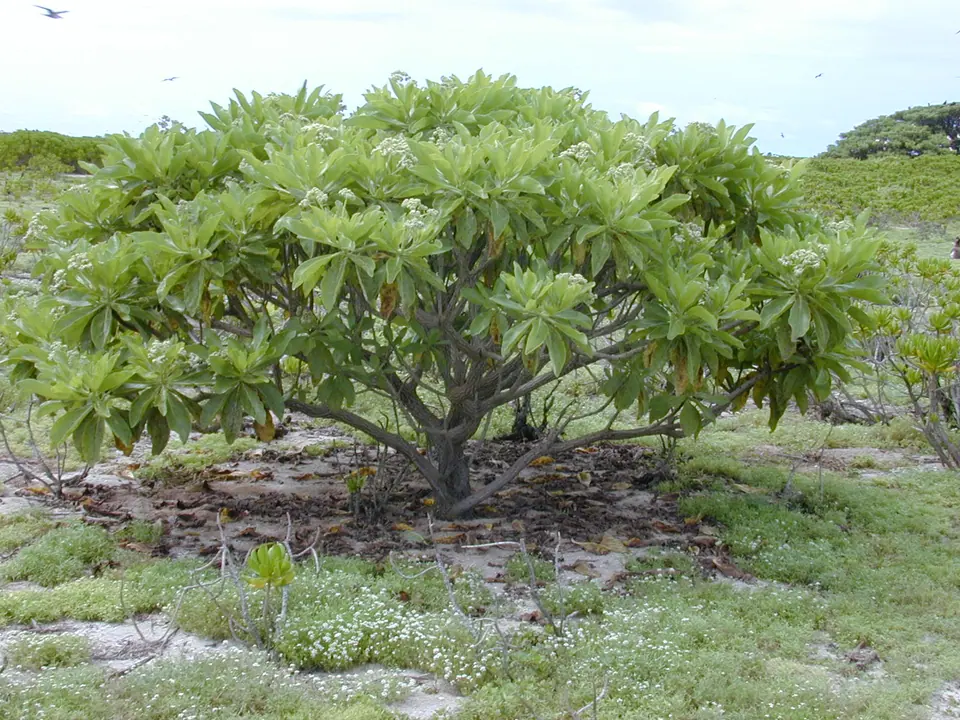
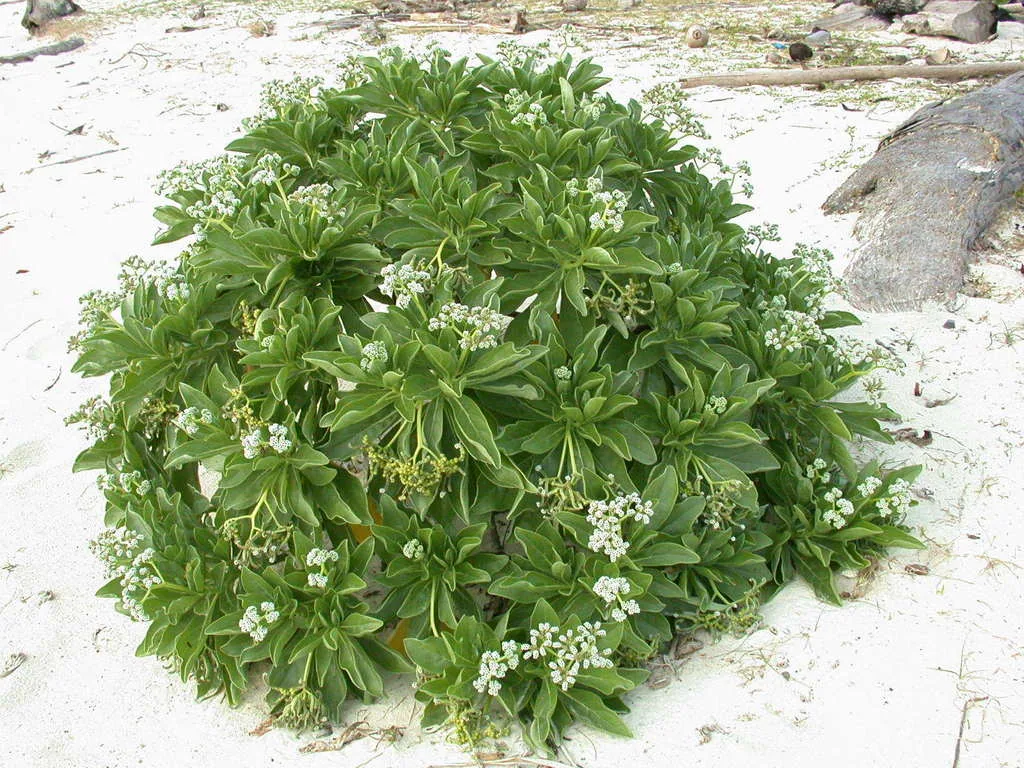
This tree heliotrope grows up to 25 ft tall and asks for very little: low watering, full sun or partial shade, and very well-drained soil. Its leaves are often eaten raw in salads, with a flavor that resembles parsley. Start it from seeds, cuttings or air-layering, and watch the seeds sprout in 2–4 weeks.
- Sun
Full sun or partial shade
What the sources say (1)
Light: Full sun or partial shade
Light: Full sun or partial shade
— Hunik flowersa [2] - Water
Needs little water; poor drainage can rot the roots
What the sources say (2)
Watering: Low
Drought Tolerant, Well-Drained Soils, Shallow Media
— NParks | Heliotropium arboreum [1] Watering notes: Grow in very well drained soil; root rot can set in if drainage is poor
This species should be grown in very well drained soils as root rot can set in if soil drainage is poor.
— NParks | Heliotropium arboreum [1] - Soil
Very well-drained soil, pH 6.1–7.4
What the sources say (5)
Soil pH, minimum: 6.1
pH value: 6.1-7.4 (Neutral)
— Hunik flowersa [2] The soils are mainly lithosols and inceptisols, pH 6.1 - 7.4.
— Tournefortia argentea [3] Soil pH, maximum: 7.4
pH value: 6.1-7.4 (Neutral)
— Hunik flowersa [2] The soils are mainly lithosols and inceptisols, pH 6.1 - 7.4.
— Tournefortia argentea [3] Watering notes: Grow in very well drained soil; root rot can set in if drainage is poor
This species should be grown in very well drained soils as root rot can set in if soil drainage is poor.
— NParks | Heliotropium arboreum [1] - Harvest
The leaves are eaten raw in salads and taste like parsley
- Pests
Watch for heliotrope moth caterpillars
What the sources say (1)
Pests: heliotrope moth larvae (Utetheisa pulchelloides)
Pests: It is subject to Heliotrope moth larvae, Utetheisa pulchelloides, which contains poisonous alkaloids.
— Hunik flowersa [2] - Size
Up to 25 ft tall
What the sources say (1)
Mature height: 762 cm (25 ft)
Habit Typical height: Up to 25 ft. Fruit Type: Nutlet Size: About 0.2-0.3 in. long (pea size)
— Hunik flowersa [2] - Propagation
From seeds, cuttings or air-layering
What the sources say (1)
Propagation: Seeds, cuttings, and air-layering
PROPAGATION Form: Seeds, cuttings, and air-layering
— Hunik flowersa [2] - Sowing
Sow 1/4 inch deep; sprouts in 2–4 weeks. Pick seed fruits when soft and see-through
What the sources say (3)
Sowing depth: 0.6 cm (0.25 in)
Germination time: 2-4 weeks Planting depth: About 0.25 in. deep Pre-planting: Seedlings should be at least 14 inches tall
— Hunik flowersa [2] Days to germination: 14-28 (2-4 weeks)
Germination time: 2-4 weeks Planting depth: About 0.25 in. deep Pre-planting: Seedlings should be at least 14 inches tall
— Hunik flowersa [2] Saving seeds: collect mature fruits from the tree; the fruit becomes translucent and soft when ripe
Seed collection: Collect mature fruits from the tree. The fruit becomes translucent and soft when ripe.
— Hunik flowersa [2]
Overview
Tree heliotrope is a slow-growing shrub or small tree of tropical coasts that tolerates salt, wind and drought. [3][2] It should be grown in very well drained soil because root rot can set in if drainage is poor. [1]
This record is incomplete: the sources we read do not cover every field yet.
Not yet covered by our sources: Hardiness, coldest zone, Hardiness, warmest zone, Pruning
Velvetleaf soldierbush care
How to water Velvetleaf soldierbush
Watering
Low
What the sources say (1)
Drought Tolerant, Well-Drained Soils, Shallow MediaWatering notes
Grow in very well drained soil; root rot can set in if drainage is poor
What the sources say (1)
This species should be grown in very well drained soils as root rot can set in if soil drainage is poor.How much light Velvetleaf soldierbush needs
Full sun or partial shade
What the sources say (1)
Light: Full sun or partial shadeHow much cold Velvetleaf soldierbush can take
Hardiness, coldest zone
Not stated in the sources we read.
Hardiness, warmest zone
Not stated in the sources we read.
Best soil for Velvetleaf soldierbush
Soil pH, minimum
6.1
How to propagate Velvetleaf soldierbush
Seeds, cuttings, and air-layering
What the sources say (1)
PROPAGATION Form: Seeds, cuttings, and air-layeringHow to grow Velvetleaf soldierbush
The plant
Family
Boraginaceae
What the sources say (1)
Family Name: Boraginaceae Plant Appearance Distinctive feature: Hunik leaves are light green with silky white pubescence on the undersideMature height
762 cm (25 ft)
What the sources say (1)
Habit Typical height: Up to 25 ft. Fruit Type: Nutlet Size: About 0.2-0.3 in. long (pea size)Sowing and growth
Days to germination
14-28 (2-4 weeks)
What the sources say (1)
Germination time: 2-4 weeks Planting depth: About 0.25 in. deep Pre-planting: Seedlings should be at least 14 inches tallSowing depth
0.6 cm (0.25 in)
What the sources say (1)
Germination time: 2-4 weeks Planting depth: About 0.25 in. deep Pre-planting: Seedlings should be at least 14 inches tallHarvest and storage
Saving seeds
collect mature fruits from the tree; the fruit becomes translucent and soft when ripe
What the sources say (1)
Seed collection: Collect mature fruits from the tree. The fruit becomes translucent and soft when ripe.Pests and diseases
Pests
heliotrope moth larvae (Utetheisa pulchelloides)
What the sources say (1)
Pests: It is subject to Heliotrope moth larvae, Utetheisa pulchelloides, which contains poisonous alkaloids.Remedies
Each remedy shows what official sources say about it; traditional remedies without an official source are marked as such. Harmful ones are listed so you know to avoid them.
Treating the plant
caterpillars
bacillus thuringiensis spray Official source, not independently tested
How: BT (Bacillus thurengiensis) products sprayed when heliotrope moth larvae populations are high and damage is severe
populations are high and damage to plant is severe. , BT (Bacillus thurengiensis) products can be sprayed
— Hunik flowersa [2]
Calendar
Pruning
Not stated in the sources we read.
Months as given by the sources, which are mostly from the United States (northern hemisphere). In the southern hemisphere they shift by about six months.
Edibility
Reported by the source, quoted verbatim. Do not eat a plant on the basis of this page alone: identification mistakes can be dangerous.
The leaves are often eaten raw as a vegetable salad and due to its flavor, which resembles parsley.
[3]
Indicative values
Values from a secondary source, not checked word for word like the rest of this page. Use them as a starting point.
- Life cycle
- PerennialIndicative value, adapt it to your climate · Secondary source
- Care level
- MediumIndicative value, adapt it to your climate · Secondary source
- Growth rate
- LowIndicative value, adapt it to your climate · Secondary source
- Pruning
- December, January, February, March, April, May, MayIndicative value, adapt it to your climate · Secondary source
Similar plants
- Abraham Trachystemon orientalis
- Alkanet Anchusa azurea
- Blue Showers Cynoglossum amabile
- Blueweed Echium vulgare
- Borage Borago officinalis
- Broad-leaf Waterleaf Hydrophyllum canadense
- Bugloss Anchusa capensis
- Clasping Heliotrope Heliotropium amplexicaule
Sources
Every value above is quoted from these documents. Links lead to the original publisher.
- NParks | Heliotropium arboreum · nparks.gov.sg, consulted
- Hunik flowersa · uog.edu, consulted
- Tournefortia argentea · apps.worldagroforestry.org, consulted
- Heliotropium arboreum · hawaii.wildflowersearch.org, consulted
Written by Emilio Marruso · last checked