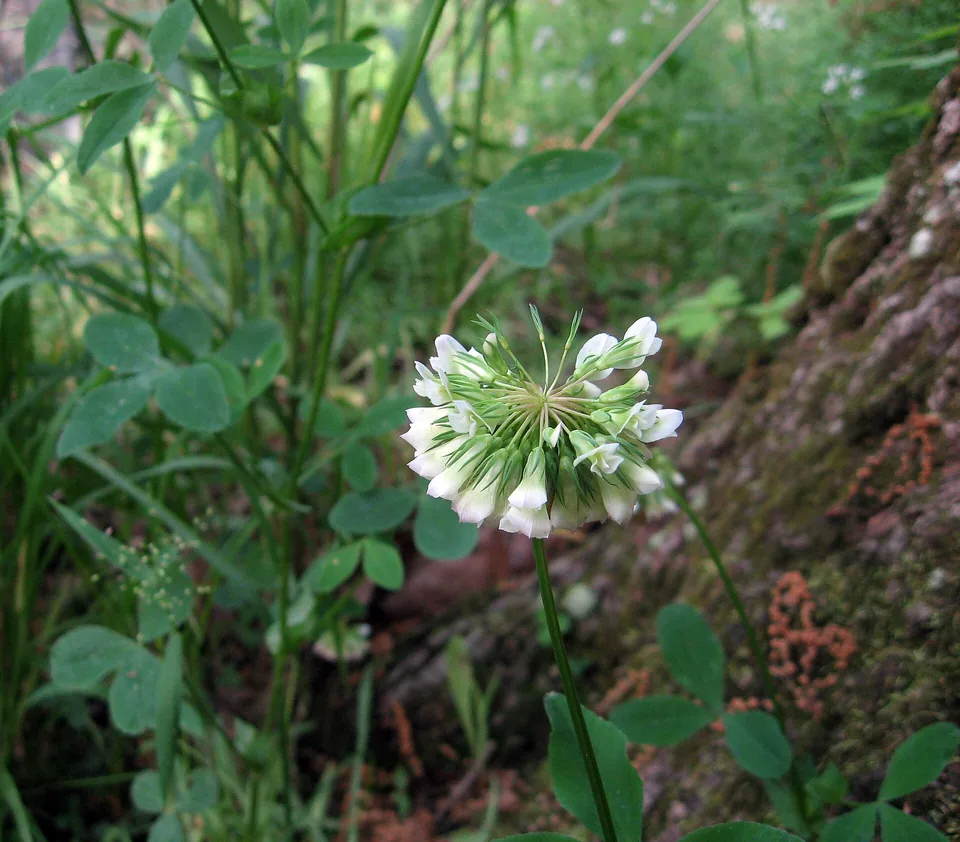


How to Grow and Care for Buffalo Clover
Trifolium reflexum
Written by Emilio Marruso · last checked
At a glance
Buffalo clover is a perennial, so once it settles in, it comes back to greet you year after year. It is easygoing about light, happy in full sun or partial shade, and it likes soil on the acidic side, with a pH no higher than 6.0. A cheerful member of the pea family, it is a lovely plant to discover and grow.
- Sun
Full sun to partial shade
What the sources say (1)
Light: Full sun to partial shade
Light: Full sun (6 or more hours of direct sunlight a day) Partial Shade (Direct sunlight only part of the day, 2-6 hours)
— Trifolium reflexum (Buffalo Clover) | North Carolina Extension Gardener Plant Toolbox [1] - Cold
Survives winters down to −20 °F (−28.9 °C)
Very hardy · USDA 5a · RHS H7 · Z5
What the sources say (2)
Hardiness, coldest zone: 5a [winter low −28.9 to −26.1 °C (−20 to −15 °F)]
USDA Plant Hardiness Zone: 5a, 5b, 6a, 6b, 7a, 7b, 8a, 8b, 9a, 9b, 10a, 10b
— Trifolium reflexum (Buffalo Clover) | North Carolina Extension Gardener Plant Toolbox [1] Hardiness, warmest zone: 10b [winter low 1.7 to 4.4 °C (35 to 40 °F)]
USDA Plant Hardiness Zone: 5a, 5b, 6a, 6b, 7a, 7b, 8a, 8b, 9a, 9b, 10a, 10b
— Trifolium reflexum (Buffalo Clover) | North Carolina Extension Gardener Plant Toolbox [1] - Soil
Acidic soil, pH no higher than 6.0
What the sources say (1)
Soil pH, maximum: 6.0
Soil pH: Acid (<6.0)
— Trifolium reflexum (Buffalo Clover) | North Carolina Extension Gardener Plant Toolbox [1]
Overview
Buffalo clover is a rare North Carolina native perennial in the bean family, listed as State Threatened. [1] It grows in full sun to partial shade on acid, well-drained sandy soil. [1]
This record is incomplete: the sources we read do not cover every field yet.
Not yet covered by our sources: Watering, Pruning, Propagation
Buffalo Clover care
How to water Buffalo Clover
Not stated in the sources we read.
How much light Buffalo Clover needs
Full sun to partial shade
What the sources say (1)
Light:
Full sun (6 or more hours of direct sunlight a day)
Partial Shade (Direct sunlight only part of the day, 2-6 hours) How much cold Buffalo Clover can take
Hardiness, coldest zone
5a [winter low −28.9 to −26.1 °C (−20 to −15 °F)]
What the sources say (1)
USDA Plant Hardiness Zone:
5a, 5b, 6a, 6b, 7a, 7b, 8a, 8b, 9a, 9b, 10a, 10bHardiness, warmest zone
10b [winter low 1.7 to 4.4 °C (35 to 40 °F)]
What the sources say (1)
USDA Plant Hardiness Zone:
5a, 5b, 6a, 6b, 7a, 7b, 8a, 8b, 9a, 9b, 10a, 10bBest soil for Buffalo Clover
6.0
What the sources say (1)
Soil pH:
Acid (<6.0)How to propagate Buffalo Clover
Not stated in the sources we read.
How to grow Buffalo Clover
The plant
Life cycle
perennial
What the sources say (1)
Trifolium reflexum or Buffalo Clover is a North Carolina native perennial in the bean family.Family
Fabaceae
What the sources say (1)
Genus:
Trifolium
Species:
reflexum
Family:
Fabaceae
Life Cycle:
Annual
Biennial
PerennialRemedies
The sources we checked give no remedies for this plant.
Calendar
Pruning
Not stated in the sources we read.
Months as given by the sources, which are mostly from the United States (northern hemisphere). In the southern hemisphere they shift by about six months.
Similar plants
- Clover Trifolium repens
- Crimson Clover Trifolium incarnatum
- Red Clover Trifolium pratense
- Hair-foot trefoil Trifolium arvense
- Lesser Trefoil Trifolium dubium
- Alsike Clover Trifolium hybridum
- Afghan Redbud Cercis griffithii
- American Groundnut Apios americana
Sources
Every value above is quoted from these documents. Links lead to the original publisher.
- Trifolium reflexum (Buffalo Clover) | North Carolina Extension Gardener Plant Toolbox · plants.ces.ncsu.edu, consulted
Written by Emilio Marruso · last checked