
How to Grow and Care for ZZ Plant
Zamioculcas zamiifolia
Written by Emilio Marruso · last checked
Toxic to: Cats, Dogs, Animals, People · Why
At a glance
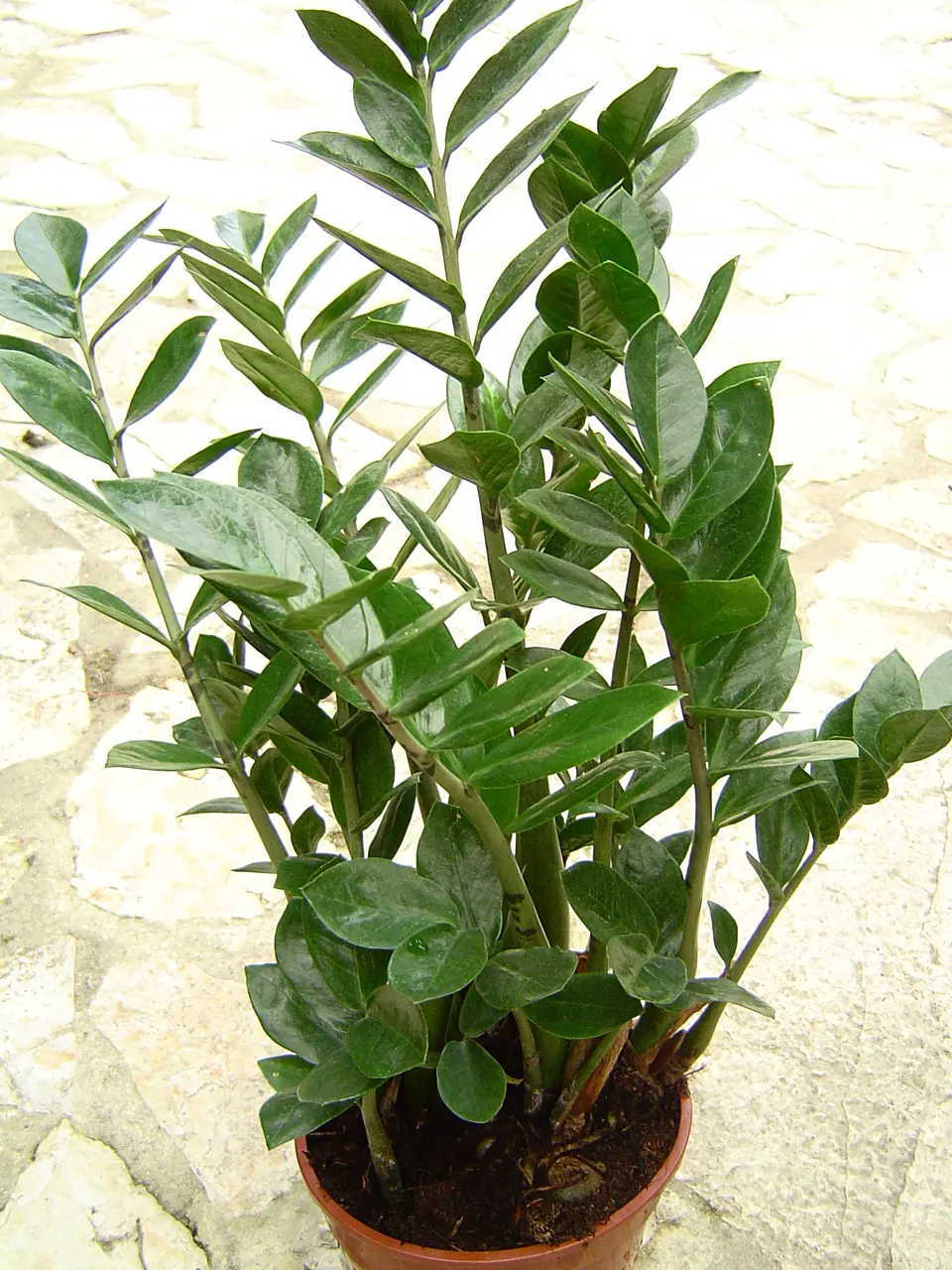
The zamioculcas is the forgiving houseplant every beginner deserves. Its thick underground stems store water, so it needs a drink only once or twice a month, once the soil is completely dry. It grows happily in bright indirect light and even in very low light, filling out to 2 to 4 feet tall and wide with no fuss at all.
- Sun
Bright indirect light or even low light; keep it out of direct sun, which scorches the leaves
What the sources say (6)
Light: Bright indirect light to low light; avoid direct sunlight (partial to deep shade outdoors)
indoors (NC State Extension): While they will grow in very low levels of light, even in areas with only fluorescent light, they do best with bright indirect sunlight.
— Zamioculcas zamiifolia (Aroid Palm, Emerald Palm, Eternity Plant, Zanzibar Gem, Zuzu Plant, ZZ Plant) | North Carolina Extension Gardener Plant Toolbox [1] landscape (NC State Extension): In the landscape, ZZ plant needs to be planted in partial to deep shade and highly organic or sandy soil with good drainage.
— Zamioculcas zamiifolia (Aroid Palm, Emerald Palm, Eternity Plant, Zanzibar Gem, Zuzu Plant, ZZ Plant) | North Carolina Extension Gardener Plant Toolbox [1] According to Clemson HGIC: They can survive in low-light conditions, but bright, indirect light will help speed up their very slow growth rate. Locate ZZ plants anywhere except in full sunlight.
— ZZ Plant (Zamioculcas zamiifolia): Indoor Care, Growing Tips & Plant Guide | Home & Garden Information Center [4] While they will grow in very low levels of light, even in areas with only fluorescent light, they do best with bright indirect sunlight.
— Zamioculcas zamiifolia (Aroid Palm, Emerald Palm, Eternity Plant, Zanzibar Gem, Zuzu Plant, ZZ Plant) | North Carolina Extension Gardener Plant Toolbox [1] Locate ZZ plants anywhere except in full sunlight.
— ZZ Plant (Zamioculcas zamiifolia): Indoor Care, Growing Tips & Plant Guide | Home & Garden Information Center [4] ZZ plant needs to be planted in partial to deep shade and highly organic or sandy soil with good drainage.
— Zamioculcas zamiifolia (Aroid Palm, Emerald Palm, Eternity Plant, Zanzibar Gem, Zuzu Plant, ZZ Plant) | North Carolina Extension Gardener Plant Toolbox [1] - Water
Water 1–2 times a month, only when the soil is completely dry; never let it sit in water
What the sources say (8)
Watering: As a houseplant, water 1-2 times a month, only after the potting medium has completely dried; twice monthly in summer only if the soil has dried out completely, once a month in winter
houseplant, summer (NC State Extension): Water twice monthly in the summer, but only if the soil has dried out completely.
— Zamioculcas zamiifolia (Aroid Palm, Emerald Palm, Eternity Plant, Zanzibar Gem, Zuzu Plant, ZZ Plant) | North Carolina Extension Gardener Plant Toolbox [1] houseplant, winter (NC State Extension): Water it only once a month in winter months when it is not actively growing.
— Zamioculcas zamiifolia (Aroid Palm, Emerald Palm, Eternity Plant, Zanzibar Gem, Zuzu Plant, ZZ Plant) | North Carolina Extension Gardener Plant Toolbox [1] indoors (Clemson HGIC): Watering: Water 1-2 times a month, only after the potting medium has completely dried.
— ZZ Plant (Zamioculcas zamiifolia): Indoor Care, Growing Tips & Plant Guide | Home & Garden Information Center [4] Watering: Water 1-2 times a month, only after the potting medium has completely dried.
— ZZ Plant (Zamioculcas zamiifolia): Indoor Care, Growing Tips & Plant Guide | Home & Garden Information Center [4] Water it only once a month in winter months when it is not actively growing. Water twice monthly in the summer, but only if the soil has dried out completely.
— Zamioculcas zamiifolia (Aroid Palm, Emerald Palm, Eternity Plant, Zanzibar Gem, Zuzu Plant, ZZ Plant) | North Carolina Extension Gardener Plant Toolbox [1] Watering notes: Do not overwater or let the plant sit in water; wet feet are not tolerated and overwatering can lead to root rot; make sure the container is fully drained
Do not overwater. Do not allow the plant to sit in water. Make sure the container is fully drained before setting it in a decorative pot or on a saucer.
— ZZ Plant (Zamioculcas zamiifolia): Indoor Care, Growing Tips & Plant Guide | Home & Garden Information Center [4] Black spots on the stems are normal. Overwatering can lead to root rot.
— ZZ Plant (Zamioculcas zamiifolia): Indoor Care, Growing Tips & Plant Guide | Home & Garden Information Center [4] watered routinely but allowed to dry out between waterings, as wet feet are not tolerated.
— Zamioculcas zamiifolia (Aroid Palm, Emerald Palm, Eternity Plant, Zanzibar Gem, Zuzu Plant, ZZ Plant) | North Carolina Extension Gardener Plant Toolbox [1] - Cold
Survives winters down to 20 °F (−6.7 °C)
Hardy in average winters · USDA 9a · RHS H4 · Z9
What the sources say (2)
Hardiness, coldest zone: 9a [winter low −6.7 to −3.9 °C (20 to 25 °F)]
USDA Plant Hardiness Zone: 9a, 9b, 10a, 10b
— Zamioculcas zamiifolia (Aroid Palm, Emerald Palm, Eternity Plant, Zanzibar Gem, Zuzu Plant, ZZ Plant) | North Carolina Extension Gardener Plant Toolbox [1] Hardiness, warmest zone: 10b [winter low 1.7 to 4.4 °C (35 to 40 °F)]
USDA Plant Hardiness Zone: 9a, 9b, 10a, 10b
— Zamioculcas zamiifolia (Aroid Palm, Emerald Palm, Eternity Plant, Zanzibar Gem, Zuzu Plant, ZZ Plant) | North Carolina Extension Gardener Plant Toolbox [1] - Feeding
Balanced liquid houseplant fertilizer once or twice a year, during the growing season
What the sources say (4)
How often: Once or twice a year, during the growing season
Use a balanced liquid houseplant fertilizer once or twice a year.
— Zamioculcas zamiifolia (Aroid Palm, Emerald Palm, Eternity Plant, Zanzibar Gem, Zuzu Plant, ZZ Plant) | North Carolina Extension Gardener Plant Toolbox [1] ZZ plants are slow-growing and should be fertilized only once or twice during the growing season with a balanced fertilizer.
— ZZ Plant (Zamioculcas zamiifolia): Indoor Care, Growing Tips & Plant Guide | Home & Garden Information Center [4] Mineral fertilizers: Balanced fertilizer, such as a liquid houseplant fertilizer
Use a balanced liquid houseplant fertilizer once or twice a year.
— Zamioculcas zamiifolia (Aroid Palm, Emerald Palm, Eternity Plant, Zanzibar Gem, Zuzu Plant, ZZ Plant) | North Carolina Extension Gardener Plant Toolbox [1] ZZ plants are slow-growing and should be fertilized only once or twice during the growing season with a balanced fertilizer.
— ZZ Plant (Zamioculcas zamiifolia): Indoor Care, Growing Tips & Plant Guide | Home & Garden Information Center [4] - Pests
Watch for scale insects; too much water causes root rot
What the sources say (2)
Pests: scale insects
Insects, Diseases, and Other Plant Problems: No significant problems, but watch for scale insects.
— Zamioculcas zamiifolia (Aroid Palm, Emerald Palm, Eternity Plant, Zanzibar Gem, Zuzu Plant, ZZ Plant) | North Carolina Extension Gardener Plant Toolbox [1] Diseases: root rot
No serious insect or disease problems. Black spots on the stems are normal. Overwatering can lead to root rot.
— ZZ Plant (Zamioculcas zamiifolia): Indoor Care, Growing Tips & Plant Guide | Home & Garden Information Center [4] - Size
2 to 4 ft tall and wide
What the sources say (4)
Mature height: 61-122 cm (2 to 4 ft)
This plant has a slow growth rate, reaching 2 to 4 feet in height and width.
— Zamioculcas zamiifolia (Aroid Palm, Emerald Palm, Eternity Plant, Zanzibar Gem, Zuzu Plant, ZZ Plant) | North Carolina Extension Gardener Plant Toolbox [1] 2 to 4 feet tall and 2 to 4 feet wide
— ZZ Plant (Zamioculcas zamiifolia): Indoor Care, Growing Tips & Plant Guide | Home & Garden Information Center [4] Mature width: 61-122 cm (2 to 4 ft)
This plant has a slow growth rate, reaching 2 to 4 feet in height and width.
— Zamioculcas zamiifolia (Aroid Palm, Emerald Palm, Eternity Plant, Zanzibar Gem, Zuzu Plant, ZZ Plant) | North Carolina Extension Gardener Plant Toolbox [1] 2 to 4 feet tall and 2 to 4 feet wide
— ZZ Plant (Zamioculcas zamiifolia): Indoor Care, Growing Tips & Plant Guide | Home & Garden Information Center [4] - Propagation
By division or leaf cuttings
What the sources say (2)
Propagation: Division; leaf cutting
Propagate by division or leaf cutting. This plant has a medium toxicity to cats and dogs.
— Zamioculcas zamiifolia (Aroid Palm, Emerald Palm, Eternity Plant, Zanzibar Gem, Zuzu Plant, ZZ Plant) | North Carolina Extension Gardener Plant Toolbox [1] Cuttings: Leaf cuttings; also division.
Scalding and browning of leaves can occur if the plant is placed in direct sunlight. Propagate by division or leaf cutting.
— Zamioculcas zamiifolia (Aroid Palm, Emerald Palm, Eternity Plant, Zanzibar Gem, Zuzu Plant, ZZ Plant) | North Carolina Extension Gardener Plant Toolbox [1] - Containers
Great in pots and indoors; use a pot that drains fully
What the sources say (6)
In containers: Yes
In some areas, it may be possible to grow this plant in a container outdoors if it is brought in once the temperature falls below 60 degrees F.
— Zamioculcas zamiifolia (Aroid Palm, Emerald Palm, Eternity Plant, Zanzibar Gem, Zuzu Plant, ZZ Plant) | North Carolina Extension Gardener Plant Toolbox [1] Indoors: Yes
ZZ plant is one of the easiest to grow, low-maintenance houseplants and is seen frequently in commercial interiorscapes.
— Zamioculcas zamiifolia (Aroid Palm, Emerald Palm, Eternity Plant, Zanzibar Gem, Zuzu Plant, ZZ Plant) | North Carolina Extension Gardener Plant Toolbox [1] The Zanzibar gem, or ZZ plant, provides a dramatic, evergreen, tropical aesthetic and is a great choice for those new to growing houseplants.
— ZZ Plant (Zamioculcas zamiifolia): Indoor Care, Growing Tips & Plant Guide | Home & Garden Information Center [4] Watering notes: Do not overwater or let the plant sit in water; wet feet are not tolerated and overwatering can lead to root rot; make sure the container is fully drained
Do not overwater. Do not allow the plant to sit in water. Make sure the container is fully drained before setting it in a decorative pot or on a saucer.
— ZZ Plant (Zamioculcas zamiifolia): Indoor Care, Growing Tips & Plant Guide | Home & Garden Information Center [4] Black spots on the stems are normal. Overwatering can lead to root rot.
— ZZ Plant (Zamioculcas zamiifolia): Indoor Care, Growing Tips & Plant Guide | Home & Garden Information Center [4] watered routinely but allowed to dry out between waterings, as wet feet are not tolerated.
— Zamioculcas zamiifolia (Aroid Palm, Emerald Palm, Eternity Plant, Zanzibar Gem, Zuzu Plant, ZZ Plant) | North Carolina Extension Gardener Plant Toolbox [1] - Safety
Not pet safe: harmful to cats and dogs; eating many leaves causes vomiting and diarrhea
Overview
ZZ plant is a slow-growing, rhizomatous evergreen perennial in the aroid family, grown as a low-maintenance houseplant. [1] Its rhizomes store water and make it drought resistant, and it tolerates low light. [4] It is reported as toxic to cats and dogs. [1]
ZZ Plant care
How to water ZZ Plant
Watering
As a houseplant, water 1-2 times a month, only after the potting medium has completely dried; twice monthly in summer only if the soil has dried out completely, once a month in winter
What each source says
houseplant, summer (NC State Extension): Twice monthly, only if the soil has dried out completely
houseplant, winter (NC State Extension): Once a month
indoors (Clemson HGIC): 1-2 times a month, only after the potting medium has completely dried
What the sources say (5)
houseplant, summer (NC State Extension): Water twice monthly in the summer, but only if the soil has dried out completely.houseplant, winter (NC State Extension): Water it only once a month in winter months when it is not actively growing.indoors (Clemson HGIC): Watering: Water 1-2 times a month, only after the potting medium has completely dried.Watering: Water 1-2 times a month, only after the potting medium has completely dried.Water it only once a month in winter months when it is not actively growing. Water twice monthly in the summer, but only if the soil has dried out completely.Watering notes
Do not overwater or let the plant sit in water; wet feet are not tolerated and overwatering can lead to root rot; make sure the container is fully drained
What the sources say (3)
Do not overwater. Do not allow the plant to sit in water. Make sure the container is fully drained before setting it in a decorative pot or on a saucer.Black spots on the stems are normal.
Overwatering can lead to root rot.watered routinely but allowed to dry out between waterings, as wet feet are not tolerated.How much light ZZ Plant needs
Bright indirect light to low light; avoid direct sunlight (partial to deep shade outdoors)
What each source says
indoors (NC State Extension): Bright indirect sunlight preferred; grows in very low light
landscape (NC State Extension): Partial to deep shade
According to Clemson HGIC: Anywhere except full sunlight; bright, indirect to low light
What the sources say (6)
indoors (NC State Extension): While they will grow in very low levels of light, even in areas with only fluorescent light, they do best with bright indirect sunlight.landscape (NC State Extension): In the landscape, ZZ plant needs to be planted in partial to deep shade and highly organic or sandy soil with good drainage.According to Clemson HGIC: They can survive in low-light conditions, but bright, indirect light will help speed up their very slow growth rate. Locate ZZ plants anywhere except in full sunlight.While they will grow in very low levels of light, even in areas with only fluorescent light, they do best with bright indirect sunlight.Locate ZZ plants anywhere except in full sunlight.ZZ plant needs to be planted in partial to deep shade and highly organic or sandy soil with good drainage.How much cold ZZ Plant can take
Hardiness, coldest zone
9a [winter low −6.7 to −3.9 °C (20 to 25 °F)]
What the sources say (1)
USDA Plant Hardiness Zone:
9a, 9b, 10a, 10bHardiness, warmest zone
10b [winter low 1.7 to 4.4 °C (35 to 40 °F)]
What the sources say (1)
USDA Plant Hardiness Zone:
9a, 9b, 10a, 10bWhere to grow ZZ Plant
Indoors
Yes
What the sources say (2)
ZZ plant is one of the easiest to grow, low-maintenance houseplants and is seen frequently in commercial interiorscapes.The Zanzibar gem, or ZZ plant, provides a dramatic, evergreen, tropical aesthetic and is a great choice for those new to growing houseplants.In containers
Yes
What the sources say (1)
In some areas, it may be possible to grow this plant in a container outdoors if it is brought in once the temperature falls below 60 degrees F.How to propagate ZZ Plant
Division; leaf cutting
What the sources say (1)
Propagate by division or leaf cutting. This plant has a medium toxicity to cats and dogs.How to grow ZZ Plant
The plant
Life cycle
perennial
What the sources say (1)
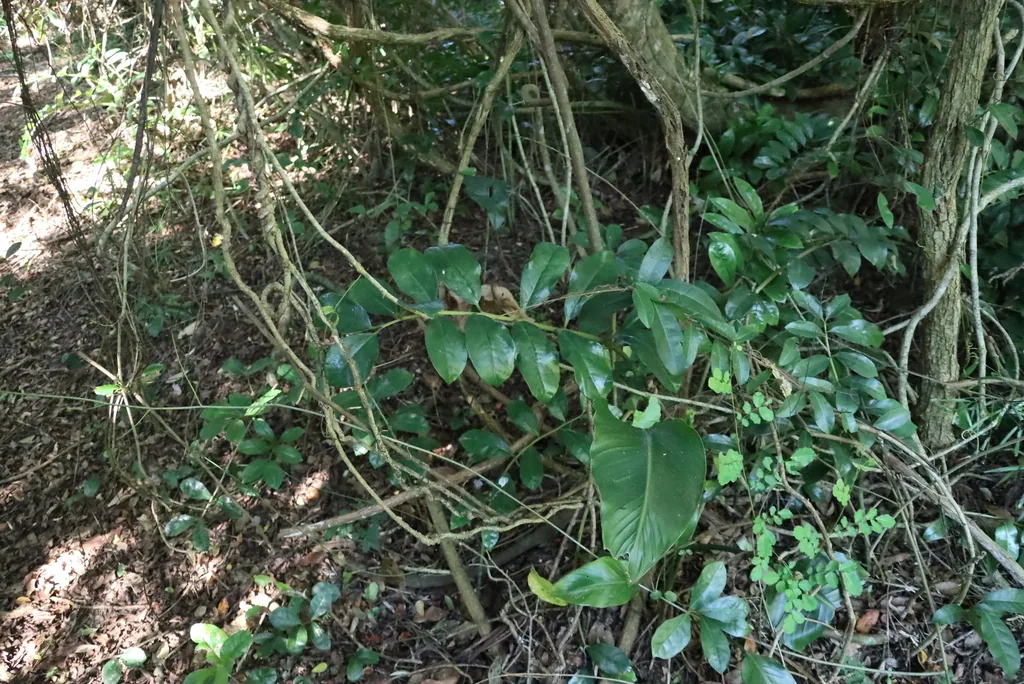
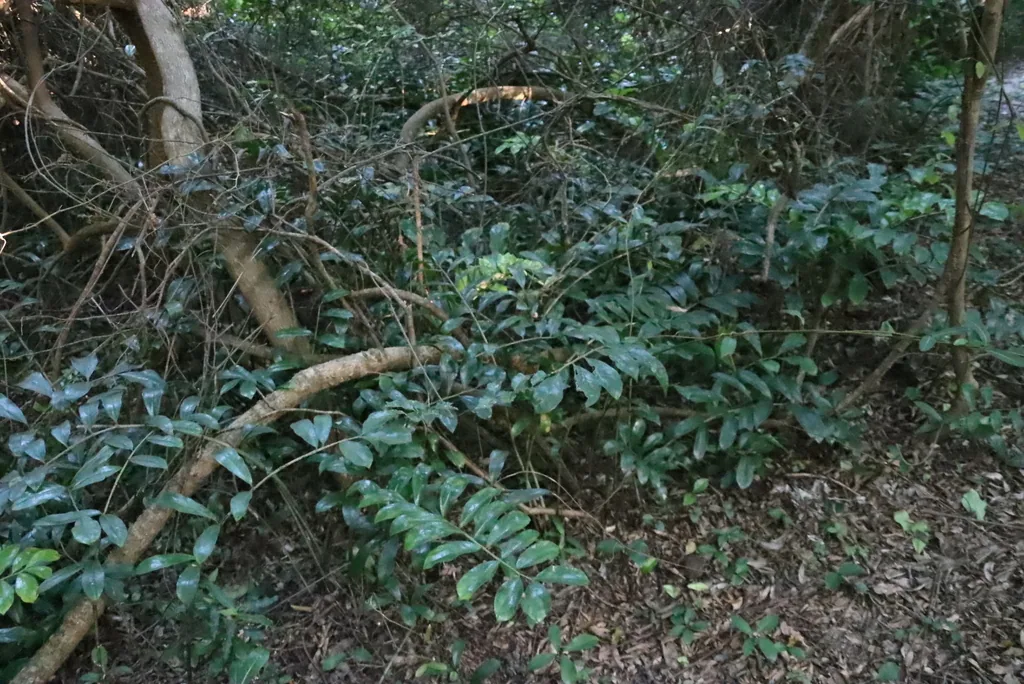
ZZ plant is a rhizomatous, evergreen herbaceous perennial in the aroid family (Araceae) native to tropical Africa.Family
Araceae
What the sources say (2)
ZZ plant is a rhizomatous, evergreen herbaceous perennial in the aroid family (Araceae) native to tropical Africa.However, ZZ plants are members of the Araceae family and related to peace lilies and Chinese evergreen.Mature height
61-122 cm (2 to 4 ft)
What the sources say (2)
This plant has a slow growth rate, reaching 2 to 4 feet in height and width.2 to 4 feet tall and 2 to 4 feet wideMature width
61-122 cm (2 to 4 ft)
What the sources say (2)
This plant has a slow growth rate, reaching 2 to 4 feet in height and width.2 to 4 feet tall and 2 to 4 feet widePests and diseases
Pests
scale insects
What the sources say (1)
Insects, Diseases, and Other Plant Problems: No significant problems, but watch for scale insects.Diseases
root rot
What the sources say (1)
No serious insect or disease problems.
Black spots on the stems are normal.
Overwatering can lead to root rot.Fertilizing
When
During the growing season
What the sources say (1)
ZZ plants are slow-growing and should be fertilized only once or twice during the growing season with a balanced fertilizer.How often
Once or twice a year, during the growing season
What the sources say (2)
Use a balanced liquid houseplant fertilizer once or twice a year.ZZ plants are slow-growing and should be fertilized only once or twice during the growing season with a balanced fertilizer.Mineral fertilizers
Balanced fertilizer, such as a liquid houseplant fertilizer
What the sources say (2)
Use a balanced liquid houseplant fertilizer once or twice a year.ZZ plants are slow-growing and should be fertilized only once or twice during the growing season with a balanced fertilizer.Roots
Root system
Thick, bulbous fleshy underground rhizomes from which the leaves emerge; they store water.
What the sources say (2)
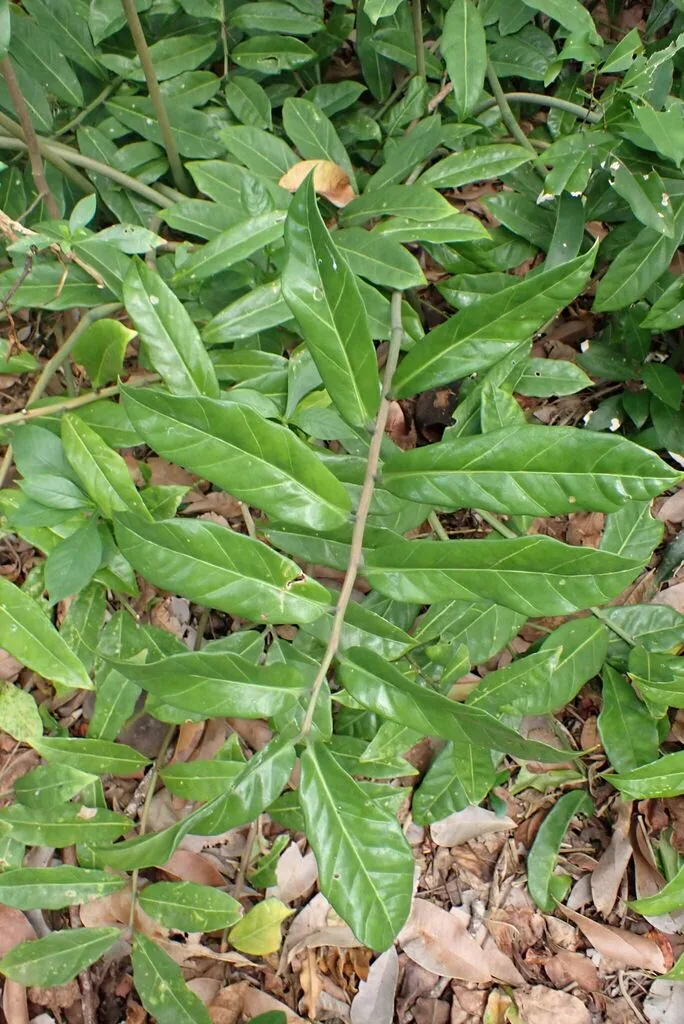
The pinnate leaves are erect, emerging from a thick, underground rhizome.It has bulbous fleshy rhizomes that give rise to glossy leaves that store water and make it highly drought tolerant.Propagation
Cuttings
Leaf cuttings; also division.
What the sources say (1)
Scalding and browning of leaves can occur if the plant is placed in direct sunlight. Propagate by division or leaf cutting.Heat and drought
Drought
Highly drought tolerant: the bulbous rhizomes store water; let the potting soil dry out between waterings, as wet soil is not tolerated.
What the sources say (3)
It has bulbous fleshy rhizomes that give rise to glossy leaves that store water and make it highly drought tolerant.ZZ plants have bulbous rhizomes that store water and are drought resistant.pot it in well-drained potting soil that is watered routinely but allowed to dry out between waterings, as wet feet are not tolerated.ZZ Plant pests and problems
Overwatering and root rot
Symptom: Wet feet are not tolerated; overwatering can lead to root rot
What to do: Water only after the potting medium has completely dried; make sure the container is fully drained
What the sources say (2)
Black spots on the stems are normal. Overwatering can lead to root rot.
— ZZ Plant (Zamioculcas zamiifolia): Indoor Care, Growing Tips & Plant Guide | Home & Garden Information Center [4] Watering: Water 1-2 times a month, only after the potting medium has completely dried.
— ZZ Plant (Zamioculcas zamiifolia): Indoor Care, Growing Tips & Plant Guide | Home & Garden Information Center [4] Scale insects
Symptom: Scale insects are the only pest to watch for
What to do: Watch for them
What the sources say (1)
Insects, Diseases, and Other Plant Problems: No significant problems, but watch for scale insects.
— Zamioculcas zamiifolia (Aroid Palm, Emerald Palm, Eternity Plant, Zanzibar Gem, Zuzu Plant, ZZ Plant) | North Carolina Extension Gardener Plant Toolbox [1] Leaf scalding
Symptom: Scalding and browning of leaves in direct sunlight
What to do: Do not place the plant in direct sunlight
What the sources say (1)
Scalding and browning of leaves can occur if the plant is placed in direct sunlight.
— Zamioculcas zamiifolia (Aroid Palm, Emerald Palm, Eternity Plant, Zanzibar Gem, Zuzu Plant, ZZ Plant) | North Carolina Extension Gardener Plant Toolbox [1]
Remedies
Each remedy shows what official sources say about it; traditional remedies without an official source are marked as such. Harmful ones are listed so you know to avoid them.
Treating the plant
fungus gnats
coarse sand topping Not verified
Traditional remedy, not verified by an official source.
How: Cap the soil with 1/2-1 inch of coarse sand or fine gravel.
vinegar spray Not verified
Traditional remedy, not verified by an official source.
How: Not recommended: vinegar sprayed on the foliage risks scorching it and does not reach the larvae in the soil.
aphids
vegetable oil and dish soap spray Not verified
Traditional remedy, not verified by an official source.
spraying home remedies that contain dish detergent on plants on a sunny day can injure the plant, essentially burning it.
— extension.psu.edu [5] How: Mix 1 cup of vegetable oil with 1 tablespoon of dish washing liquid; mix 1 tablespoon of this concentrate with 1 cup of water and spray.
coffee grounds Not verified
Traditional remedy, not verified by an official source.
How: Not effective: coffee grounds do nothing against aphids and add damp organic matter that fungus-gnat larvae feed on.
spider mites
buttermilk and flour spray Not verified
Traditional remedy, not verified by an official source.
How: Mix 1/2 cup of buttermilk with 4 cups of wheat flour and 5 gallons of water, strain through cheesecloth and spray on the plants.
dish washing liquid spray Not verified
Traditional remedy, not verified by an official source.
spraying home remedies that contain dish detergent on plants on a sunny day can injure the plant, essentially burning it.
— extension.psu.edu [5] How: Mix 1 tablespoon of dish washing liquid with 1 gallon of water.
Is ZZ Plant toxic to pets?
Reported by the source, quoted verbatim. This is not medical or veterinary advice: if a person or an animal may have eaten this plant, contact a poison control centre or a veterinarian.
Animals
Propagate by division or leaf cutting. This plant has a medium toxicity to cats and dogs.
[1]The source flags the risk for this animal but does not explain why.
Care Tips: Do not overwater. Do not allow the plant to sit in water. Make sure the container is fully drained before setting it in a decorative pot or on a saucer. Note: NOT Pet Safe
[4]The source flags the risk for this animal but does not explain why.
People
Poison Severity: Medium Poison Symptoms: diarrhea, vomiting if leaves are consumed in quantity.
[1]
Indicative values
Values from a secondary source, not checked word for word like the rest of this page. Use them as a starting point.
- Hours of sun
- 6-8 hoursIndicative value, adapt it to your climate · Secondary source
- Drought tolerant
- yesIndicative value, adapt it to your climate · Secondary source
- Soil pH
- 6-7Indicative value, adapt it to your climate · Secondary source
- Care level
- LowIndicative value, adapt it to your climate · Secondary source
- Growth rate
- LowIndicative value, adapt it to your climate · Secondary source
- Pruning
- March, April, May, June, July, August, September, March, April, May, June, July, AugustIndicative value, adapt it to your climate · Secondary source
Similar plants
- Cobra Lily Arisaema ringens
- Green Dragon Arisaema dracontium
- Green Dragon Pinellia tripartita
- Jack-in-the-pulpit Arisaema triphyllum
- Japanese Jack-in-the-pulpit Arisaema sikokianum
- Tiny Duckweed Lemna perpusilla
- Anthurium Anthurium andraeanum
- Arrowhead Plant Syngonium podophyllum
Sources
Every value above is quoted from these documents. Links lead to the original publisher.
- Zamioculcas zamiifolia (Aroid Palm, Emerald Palm, Eternity Plant, Zanzibar Gem, Zuzu Plant, ZZ Plant) | North Carolina Extension Gardener Plant Toolbox · plants.ces.ncsu.edu, consulted
- Eternity Plant - Zamioculcas zamiifolia | North Carolina Extension Gardener Plant Toolbox · plants.ces.ncsu.edu, consulted
- Zuzu Plant - Zamioculcas zamiifolia | North Carolina Extension Gardener Plant Toolbox · plants.ces.ncsu.edu, consulted
- ZZ Plant (Zamioculcas zamiifolia): Indoor Care, Growing Tips & Plant Guide | Home & Garden Information Center · hgic.clemson.edu, consulted
- extension.psu.edu · extension.psu.edu
Written by Emilio Marruso · last checked