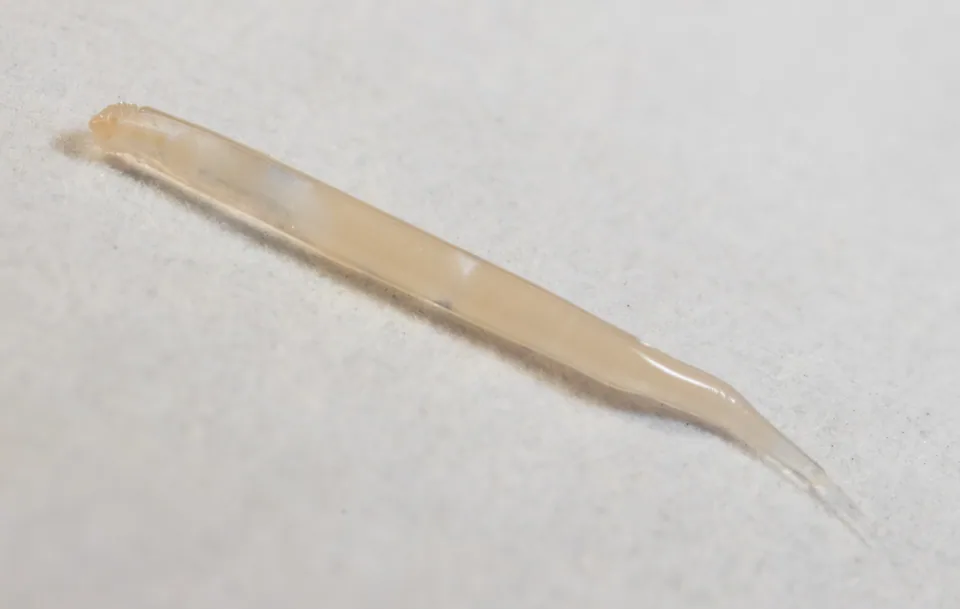
Nematode
Nematodes
Nematoda
Written by Emilio Marruso
Plants it attacks
Plants in our guide where this problem is reported. Open a plant to see the sources.
- Butterfly Bush
Symptom: A problem particularly in the sandy soils of the coastal plain
- Lindley Butterfly Bush
Symptom: Nematodes in the coastal plains; honey fungus, fungal leaf spot and viruses possible
- Papaya
Symptom: Plants decline in vigor and are more susceptible to toppling over because of the loss of roots
- Sensitive Partridge Pea
Symptom: Susceptible to nematodes.
- Golden Dewdrop
Symptom: Potential pest offenders; typically not serious
- Mottled Spurge
Symptom: Aphids, mealybugs and nematodes may appear; watch for mites
- Spurge
Symptom: No serious insect or disease problems; these are to be monitored
- Hosta
Symptom: Listed as pests to monitor for
- Cedarglade St. Johnswort
Symptom: Wilt and root rot can be significant problems, particularly in hot and humid climates of the South; susceptible to nematodes, which can cause root rot.
- Hyssop
Symptom: Nematodes can be an issue
- Japanese Holly
Symptom: Occasional pests; spider mite damage can be serious in hot, dry locations
- Blue Passionflower
Symptom: They are susceptible to nematodes.
Also reported on: Cassava, Chinese yam, Clove, Corn, Cowpea, Cultivated garlic, Cushion Spurge, Gardenia, Indian Hawthorn, Ming Aralia, Moss Phlox, New Guinea Impatiens, Passiflora edulis, Pineapple, Potato, Princess Flower, Tree tomato, Wild Carrot
Remedies
What our plant sheets report, with the outcome checked against official sources. Traditional remedies without an official source are flagged.
Treat
soil solarization Works
How: Solarize the soil to reduce nematode populations.
organic mulch layer Works
How: Apply a 3-inch-thick layer of organic mulch.
Reported for 1 plant: Gardenia
soil solarization Official source, not independently tested
How: Solarizing the soil can reduce nematode populations and the inoculum of many other pathogens.
Reported for 1 plant: Clove
soil solarization Not verified
How: Cover the garden bed with clear plastic during the hottest months.
Reported for 3 plants: Wild Carrot, Chinese yam, Potato
clean sterile growing medium Not verified
How: Use clean, sterile medium for growing pineapples indoors or in a greenhouse so as not to encourage nematodes.
Reported for 1 plant: Pineapple
cornmeal soil dressing Not verified
How: Horticultural cornmeal applied as a top dressing to the soil at the rate of one pound per 100 square feet.
Reported for 1 plant: Cultivated garlic
digging up infected plants Not verified
How: Dig up the infected plants with surrounding soil and throw them in the garbage.
Reported for 1 plant: New Guinea Impatiens
hot water soak for cloves Not verified
How: Soak the cloves in hot water (110 F - 112 F) for 10 to 12 minutes before planting.
Reported for 1 plant: Cultivated garlic
marigolds as cover crop Not verified
How: Plant marigolds as a cover crop.
Reported for 1 plant: Wild Carrot
4 more remedies are reported in single plant sheets.
Where it is found
No distribution data.