
How to Grow and Care for Lilyturf
Liriope spicata
Written by Emilio Marruso · last checked
Toxic to: People · Why
At a glance
Liriope spicata is a tough perennial that shrugs off dry spells and asks for very little: just mow the bed each spring before new growth begins. It spreads quickly by underground stems, so it fills space fast, and it grows in containers too. Give it a deep edging and it will stay right where you want it.
- Water
Handles dry spells well
What the sources say (1)
Watering: Drought tolerant
Drought tolerant. Small light blue flowers in late summer followed by black, bead-like fruit.
— Creeping Lily Turf | Landscaping | Illinois Extension | Illinois [2] - Cold
Survives winters down to −30 °F (−34.4 °C)
Very hardy · USDA 4a · RHS H7 · Z4
What the sources say (2)
Hardiness, coldest zone: 4a [winter low −34.4 to −31.7 °C (−30 to −25 °F)]
USDA Plant Hardiness Zone: 4a, 4b, 5a, 5b, 6a, 6b, 7a, 7b, 8a, 8b, 9a, 9b, 10a, 10b
— Liriope spicata (Creeping Lilyturf, Creeping Liriope, Lilyturf, Monkey Grass) | North Carolina Extension Gardener Plant Toolbox [1] Hardiness, warmest zone: 10b [winter low 1.7 to 4.4 °C (35 to 40 °F)]
USDA Plant Hardiness Zone: 4a, 4b, 5a, 5b, 6a, 6b, 7a, 7b, 8a, 8b, 9a, 9b, 10a, 10b
— Liriope spicata (Creeping Lilyturf, Creeping Liriope, Lilyturf, Monkey Grass) | North Carolina Extension Gardener Plant Toolbox [1] - Spacing
8–12 in between plants
What the sources say (1)
Spacing: 20.3-30.5 cm (8-12 in)
Evergreen foliage. Space 8-12 inches apart. Perennial. Hardy in Zone 4.
— Creeping Lily Turf | Landscaping | Illinois Extension | Illinois [2] - Feeding
Don't overfeed; scatter fertilizer beside the plants, not between the leaves
What the sources say (2)
Avoid: Over-fertilizing, and granules lodged between the leaves: scatter the fertilizer beside the plants
When fertilizing, scatter fertilizer around plants but don’t let fertilizer granules become wedged between leaves.
— Liriope | Home & Garden Information Center [3] Keep liriope healthy by watering weekly as needed during summer droughts, don’t over-apply mulch next to plants, and don’t over-fertilize.
— Liriope | Home & Garden Information Center [3] - Pruning
Mow the bed each spring before new growth begins
What the sources say (1)
Pruning: Mow beds each spring before new growth begins
However, lilyturf beds can be mowed each spring before the new growth begins to eliminate last year's unsightly foliage.
— Liriope spicata (Creeping Lilyturf, Creeping Liriope, Lilyturf, Monkey Grass) | North Carolina Extension Gardener Plant Toolbox [1] - Pests
Scale, slugs and snails; can get anthracnose and leaf and crown rot
What the sources say (3)
Pests: scale, slugs, snails
It is susceptible to scale, slugs and snails.
— Liriope spicata (Creeping Lilyturf, Creeping Liriope, Lilyturf, Monkey Grass) | North Carolina Extension Gardener Plant Toolbox [1] Diseases: anthracnose, leaf and crown rot
Reddish-brown spots that appear along leaf margins and leaf tips are caused by a fungal disease known as anthracnose, which is caused by Colletotrichum species.
— Liriope | Home & Garden Information Center [3] Leaf and crown rot is caused by Phytophthora palmivora (a water mold pathogen).
— Liriope | Home & Garden Information Center [3] - Watch out
Spreads fast and invades lawns; edge the bed 18 in deep or surround it with paving
- Size
6–18 in tall and 1–2 ft wide
What the sources say (2)
Mature height: 15.2-45.7 cm (6-18 in)
This plant grows 6 to 18 inches tall with a spread of 1 to 2 feet.
— Liriope spicata (Creeping Lilyturf, Creeping Liriope, Lilyturf, Monkey Grass) | North Carolina Extension Gardener Plant Toolbox [1] Mature width: 30.5-61 cm (1-2 ft)
This plant grows 6 to 18 inches tall with a spread of 1 to 2 feet.
— Liriope spicata (Creeping Lilyturf, Creeping Liriope, Lilyturf, Monkey Grass) | North Carolina Extension Gardener Plant Toolbox [1] - Propagation
Make new plants by dividing clumps
What the sources say (1)
Propagation: Division
Life Cycle: Perennial Recommended Propagation Strategy: Division Country Or Region Of Origin: China and Vietnam
— Liriope spicata (Creeping Lilyturf, Creeping Liriope, Lilyturf, Monkey Grass) | North Carolina Extension Gardener Plant Toolbox [1] - Containers
Grows in containers too
What the sources say (1)
In containers: Yes
Lilyturf may be best suited for planting in containers or a bed surrounded by hardscape or confined with an edging that is 18 inches deep.
— Liriope spicata (Creeping Lilyturf, Creeping Liriope, Lilyturf, Monkey Grass) | North Carolina Extension Gardener Plant Toolbox [1] - Safety
Mildly poisonous to people if eaten
Overview
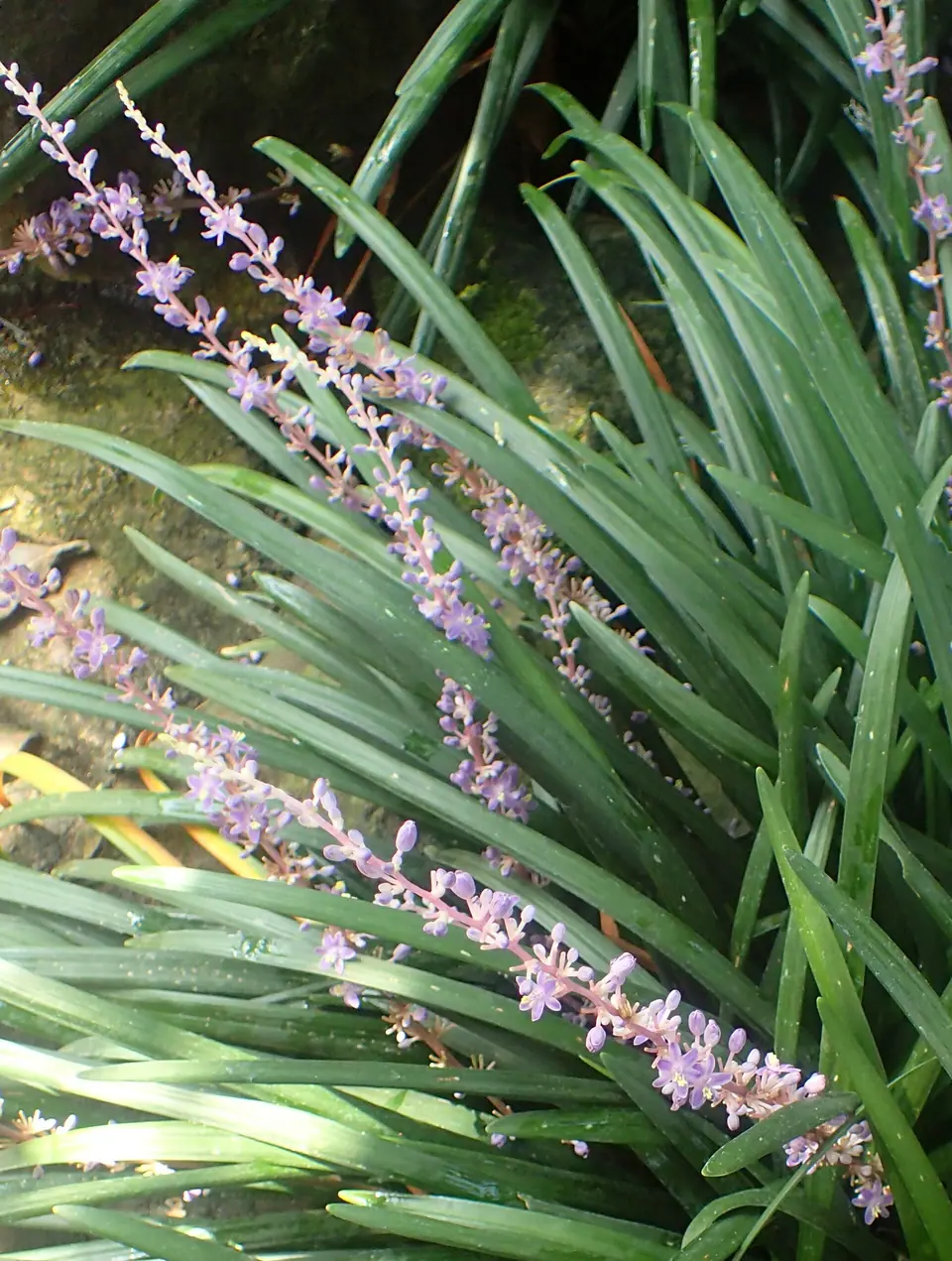
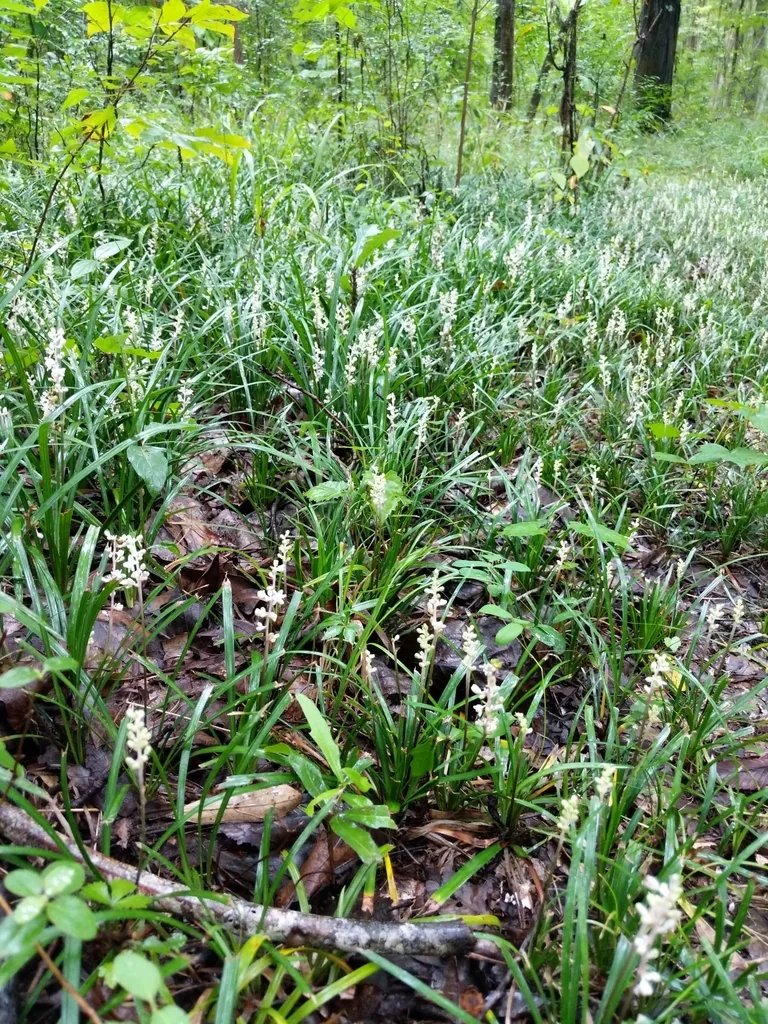
Creeping lilyturf is a perennial, evergreen, rhizomatous groundcover that spreads quickly by rhizomes. [1] It tolerates salt spray, heat and drought and is propagated by division. [1] It is described as an aggressive spreader and an invasive species in Tennessee and Georgia. [1]
Lilyturf care
How to water Lilyturf
Drought tolerant
What the sources say (1)
Drought tolerant. Small light blue flowers in late summer followed by black, bead-like fruit.How much light Lilyturf needs
The sources give different values depending on region, zone or growing conditions.
What each source says
According to NC State Extension: Partial or deep shade
According to Illinois Extension: Full sun to very light shade
What the sources say (2)
According to NC State Extension: Creeping lilyturf prefers partial or deep shade and soil with good drainage.According to Illinois Extension: Grows 8-12 inches tall and prefers full sun to very light shade.How much cold Lilyturf can take
Hardiness, coldest zone
4a [winter low −34.4 to −31.7 °C (−30 to −25 °F)]
What the sources say (1)
USDA Plant Hardiness Zone:
4a, 4b, 5a, 5b, 6a, 6b, 7a, 7b, 8a, 8b, 9a, 9b, 10a, 10bHardiness, warmest zone
10b [winter low 1.7 to 4.4 °C (35 to 40 °F)]
What the sources say (1)
USDA Plant Hardiness Zone:
4a, 4b, 5a, 5b, 6a, 6b, 7a, 7b, 8a, 8b, 9a, 9b, 10a, 10bWhere to grow Lilyturf
In containers
Yes
What the sources say (1)
Lilyturf may be best suited for planting in containers or a bed surrounded by hardscape or confined with an edging that is 18 inches deep.Spacing
20.3-30.5 cm (8-12 in)
What the sources say (1)
Evergreen foliage. Space 8-12 inches apart. Perennial. Hardy in Zone 4.How to propagate Lilyturf
Division
What the sources say (1)
Life Cycle:
Perennial
Recommended Propagation Strategy:
Division
Country Or Region Of Origin:
China and VietnamHow to grow Lilyturf
The plant
Life cycle
perennial
What the sources say (1)
Creeping lilyturf is a perennial, evergreen, rhizomatous groundcover in the asparagus family (Asparagaceae).Family
Asparagaceae
What the sources say (1)
Creeping lilyturf is a perennial, evergreen, rhizomatous groundcover in the asparagus family (Asparagaceae).Mature height
15.2-45.7 cm (6-18 in)
What the sources say (1)
This plant grows 6 to 18 inches tall with a spread of 1 to 2 feet.Mature width
30.5-61 cm (1-2 ft)
What the sources say (1)
This plant grows 6 to 18 inches tall with a spread of 1 to 2 feet.Pests and diseases
Pests
scale, slugs, snails
What the sources say (1)
It is susceptible to scale, slugs and snails.Diseases
anthracnose, leaf and crown rot
What the sources say (2)
Reddish-brown spots that appear along leaf margins and leaf tips are caused by a fungal disease known as anthracnose, which is caused by Colletotrichum species.Leaf and crown rot is caused by Phytophthora palmivora (a water mold pathogen).Fertilizing
Avoid
Over-fertilizing, and granules lodged between the leaves: scatter the fertilizer beside the plants
What the sources say (2)
When fertilizing, scatter fertilizer around plants but don’t let fertilizer granules become wedged between leaves.Keep liriope healthy by watering weekly as needed during summer droughts, don’t over-apply mulch next to plants, and don’t over-fertilize.Lilyturf pests and problems
Aggressive spread
Symptom: Spreads quickly by rhizomes, invades adjacent turf and ground cover beds, weedy and difficult to remove once established
What to do: Confine with an edging that is 18 inches deep or plant in a bed surrounded by hardscape
What the sources say (2)
This plant spreads quickly by rhizomes and can invade adjacent turf areas
— Liriope spicata (Creeping Lilyturf, Creeping Liriope, Lilyturf, Monkey Grass) | North Carolina Extension Gardener Plant Toolbox [1] Lilyturf may be best suited for planting in containers or a bed surrounded by hardscape or confined with an edging that is 18 inches deep.
— Liriope spicata (Creeping Lilyturf, Creeping Liriope, Lilyturf, Monkey Grass) | North Carolina Extension Gardener Plant Toolbox [1] Scale, slugs and snails
Symptom: Susceptible to scale, slugs and snails
What to do: Not given in the documents
What the sources say (1)
It is susceptible to scale, slugs and snails.
— Liriope spicata (Creeping Lilyturf, Creeping Liriope, Lilyturf, Monkey Grass) | North Carolina Extension Gardener Plant Toolbox [1]
Remedies
Each remedy shows what official sources say about it; traditional remedies without an official source are marked as such. Harmful ones are listed so you know to avoid them.
Treating the plant
slugs
beer trap Not verified
Traditional remedy, not verified by an official source.
How: Fill a slug trap or shallow dish with beer and set it in the garden; set traps 3 to 4 weeks after the last frost in spring and add more when the first slug or snail is caught.
scale
scraping off with rubbing alcohol swab Not verified
Traditional remedy, not verified by an official source.
How: Scrape minor scale infestations off plant surfaces with a fingernail or a cotton swab dipped in rubbing alcohol.
cutting back foliage and removing clippings Official source, not independently tested
How: Cut back the foliage in late winter and clean up the clippings.
Cut back the foliage in the late winter and clean up the clippings to significantly help in scale control.
— Liriope | Home & Garden Information Center [3]
anthracnose
trimming old leaves and removing debris Official source, not independently tested
How: Mow or trim off last year’s leaves in late winter to a height of about 3 inches and remove as much of the debris as possible; avoid over-watering or watering late in the day.
Mow or trim off last year’s leaves in late winter to a height of about 3 inches and remove as much of the debris as possible.
— Liriope | Home & Garden Information Center [3]
Getting rid of it
aggressive spread
digging up and cutting back repeatedly Partly works
How: Dig up as much of the plant as you can and/or cut it back, then watch for regrowth and dig or cut again.
Your best bet would be to dig up as much of the plant as you can and/or cut it back.
— ask.extension.org [6] What the evidence says The creeping form of Liriope is pretty tough, though, so any treatment - digging or herbicide - may take awhile with repeated efforts to be able to finally eradicate it.
— ask.extension.org [7] smothering the patch Official source, not independently tested
How: Smother the patch (feasible only if no desirable plants are mixed in with the liriope).
The only other option if you wish to avoid herbicide and the rigor of digging would be to smother the patch.
— ask.extension.org [7]
Is Lilyturf poisonous?
Reported by the source, quoted verbatim. This is not medical or veterinary advice: if a person or an animal may have eaten this plant, contact a poison control centre or a veterinarian.
Calendar
Pruning
Mow beds each spring before new growth begins
What the sources say (1)
However, lilyturf beds can be mowed each spring before the new growth begins to eliminate last year's unsightly foliage.Months as given by the sources, which are mostly from the United States (northern hemisphere). In the southern hemisphere they shift by about six months.
Indicative values
Values from a secondary source, not checked word for word like the rest of this page. Use them as a starting point.
- Drought tolerant
- yesIndicative value, adapt it to your climate · Secondary source
- Soil pH
- 6-7Indicative value, adapt it to your climate · Secondary source
- Care level
- LowIndicative value, adapt it to your climate · Secondary source
- Growth rate
- HighIndicative value, adapt it to your climate · Secondary source
Similar plants
- Lilyturf Liriope muscari
- Adam's Needle Yucca flaccida
- Alpine squill Scilla bifolia
- American Agave Agave virginica
- Asparagus Asparagus officinalis
- Asparagus Fern Asparagus setaceus
- Beaked Yucca Yucca rostrata
- Beschorneria Beschorneria yuccoides
Sources
Every value above is quoted from these documents. Links lead to the original publisher.
- Liriope spicata (Creeping Lilyturf, Creeping Liriope, Lilyturf, Monkey Grass) | North Carolina Extension Gardener Plant Toolbox · plants.ces.ncsu.edu, consulted
- Creeping Lily Turf | Landscaping | Illinois Extension | Illinois · extension.illinois.edu, consulted
- Liriope | Home & Garden Information Center · hgic.clemson.edu, consulted
- Creeping Liriope - Liriope spicata | North Carolina Extension Gardener Plant Toolbox · plants.ces.ncsu.edu, consulted
- Liriope (Lilyturf) · uaex.uada.edu, consulted
- ask.extension.org · ask.extension.org
- ask.extension.org · ask.extension.org
Written by Emilio Marruso · last checked