

How to Grow and Care for Rosemary
Salvia rosmarinus
Written by Emilio Marruso · last checked
Not toxic to cats and dogs, according to the sources · Sources
At a glance
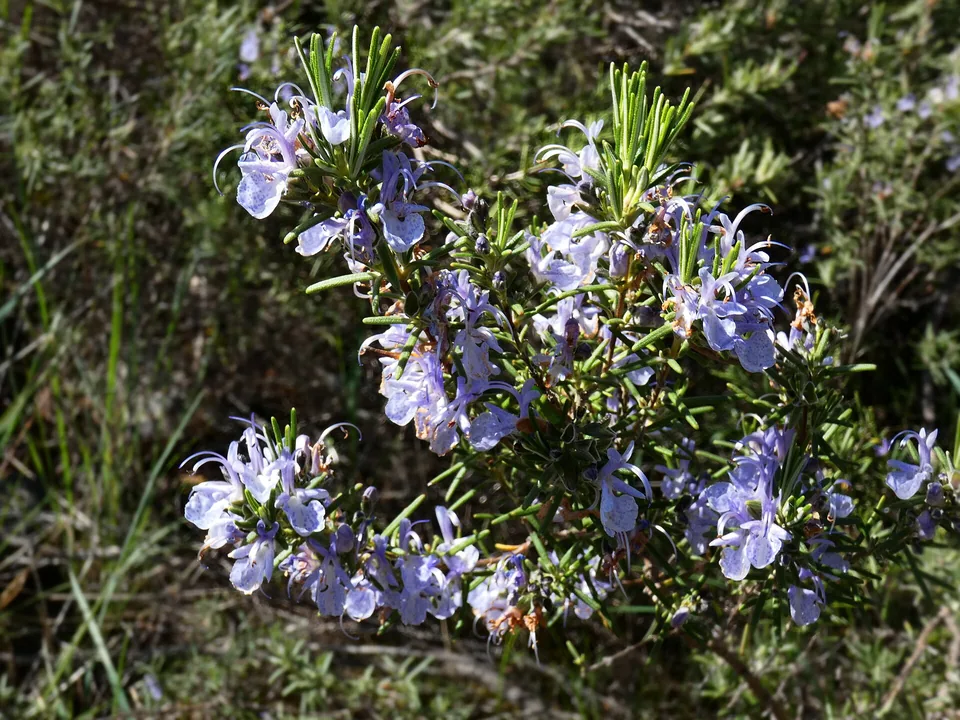
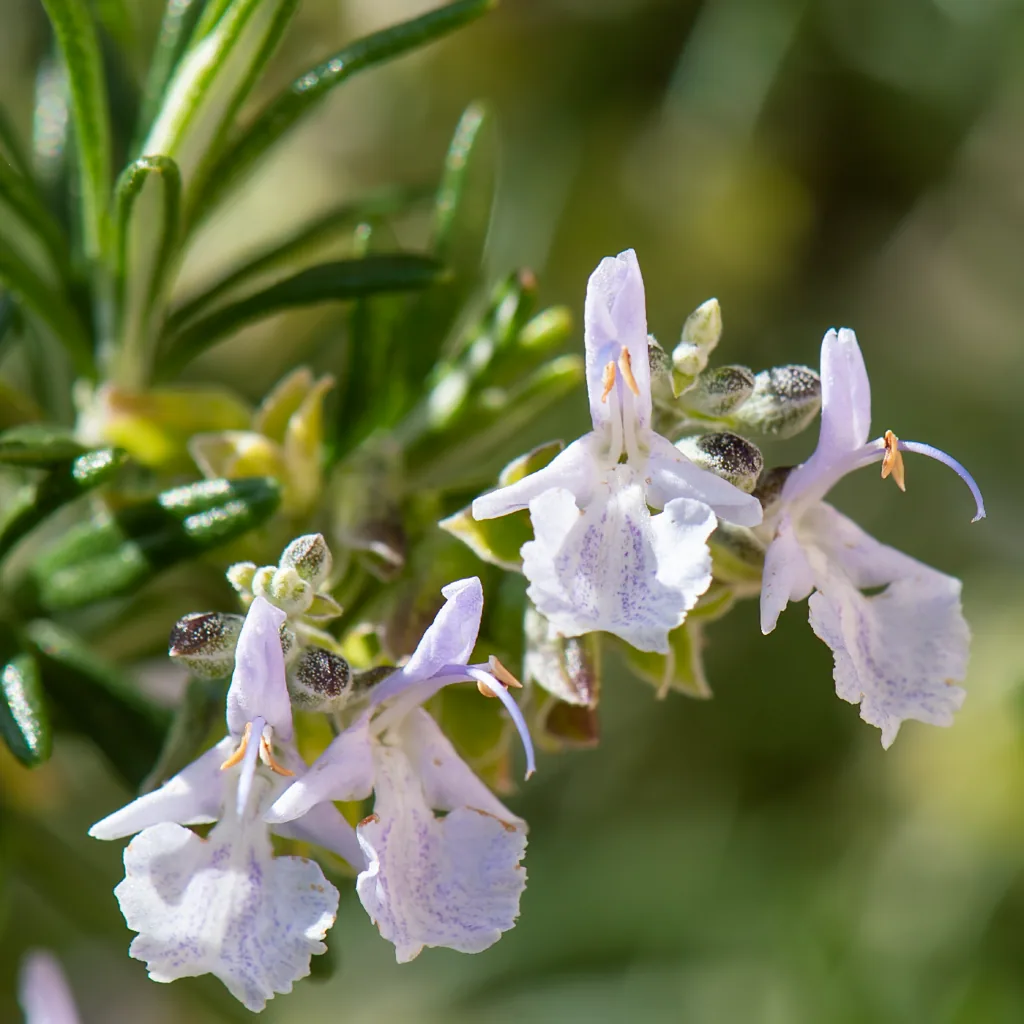
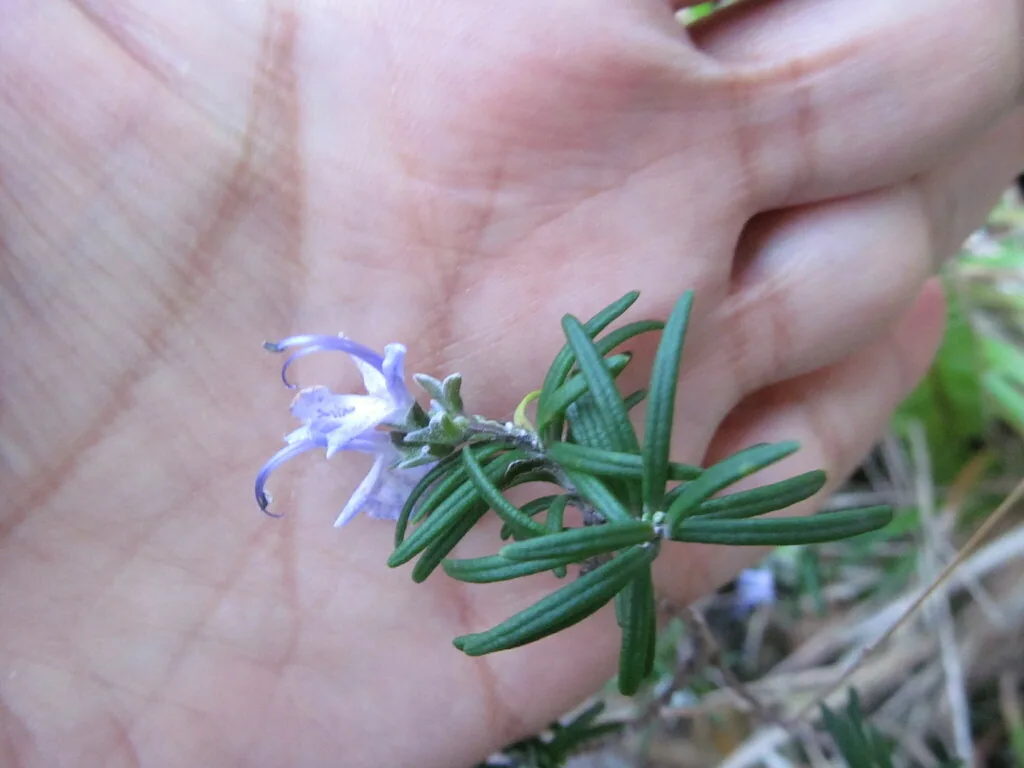
Rosemary is a fragrant perennial herb that loves full sun and does best when you don't overwater it. Pick fresh leaves any time during the growing season for teas, bread, stews and meat dishes, and use its flowers in cooking too. It grows happily in containers, so you can move it outside in spring and bring it back in before the first frost.
- Sun
Full sun; it also tolerates partial shade
What the sources say (2)
Light: Full sun; tolerates partial shade
Rosemary does best in light, slightly acidic, dry to medium, well-drained soils in full sun. It tolerates drought, partial shade
— Salvia rosmarinus (Rosemary) | North Carolina Extension Gardener Plant Toolbox [1] Light and Soil: Full sun; light, well-drained soil
— Herb Garden Plants: Rosemary [5] - Water
Don't overwater: too much water is the main reason it declines or dies
What the sources say (2)
Watering notes: Overwatering is the common cause of plant decline or death; potted plants (Wisconsin): keep the soil moist but good drainage is required
Poor circulation and high humidity can cause powdery mildew. Root rot and botrytis are common diseases. Overwatering is the common cause of plant decline or death.
— Salvia rosmarinus (Rosemary) | North Carolina Extension Gardener Plant Toolbox [1] Plants grow best in full sun in well-drained soil . Keep the soil moist, but good drainage is a requirement.
— Rosemary, Salvia rosmarinus (= Rosemarinus officinalis) – Wisconsin Horticulture [3] - Cold
Survives winters down to 10 °F (−12.2 °C)
Hardy in cold winters · USDA 8a · RHS H5 · Z8
What the sources say (2)
Hardiness, coldest zone: 8a [winter low −12.2 to −9.4 °C (10 to 15 °F)]
NC Region: Coastal Mountains Piedmont USDA Plant Hardiness Zone: 8a, 8b, 9a, 9b, 10a, 10b
— Salvia rosmarinus (Rosemary) | North Carolina Extension Gardener Plant Toolbox [1] Hardiness, warmest zone: 10b [winter low 1.7 to 4.4 °C (35 to 40 °F)]
NC Region: Coastal Mountains Piedmont USDA Plant Hardiness Zone: 8a, 8b, 9a, 9b, 10a, 10b
— Salvia rosmarinus (Rosemary) | North Carolina Extension Gardener Plant Toolbox [1] - Soil
Well-drained soil; browning tips can be a sign of root rot
What the sources say (2)
Watering notes: Overwatering is the common cause of plant decline or death; potted plants (Wisconsin): keep the soil moist but good drainage is required
Poor circulation and high humidity can cause powdery mildew. Root rot and botrytis are common diseases. Overwatering is the common cause of plant decline or death.
— Salvia rosmarinus (Rosemary) | North Carolina Extension Gardener Plant Toolbox [1] Plants grow best in full sun in well-drained soil . Keep the soil moist, but good drainage is a requirement.
— Rosemary, Salvia rosmarinus (= Rosemarinus officinalis) – Wisconsin Horticulture [3] - Spacing
2 ft between plants
What the sources say (1)
Spacing: 61.0 cm (2 ft)
Once the cuttings root (10 to 20 days), transplant out in full sun (two feet apart).
— Herb Garden Plants: Rosemary [5] - Planting
In spring, after the danger of frost has passed
What the sources say (3)
Planting: Spring, after the danger of frost has passed (potted plants moved outside)
According to Penn State Extension: Transfer pots outside in the spring after the danger of frost.
— Herb Garden Plants: Rosemary [5] Wisconsin: Potted plants can be moved outside to a sunny location during the summer, but should be brought inside before first frost.
— Rosemary, Salvia rosmarinus (= Rosemarinus officinalis) – Wisconsin Horticulture [3] Transfer pots outside in the spring after the danger of frost.
— Herb Garden Plants: Rosemary [5] - Feeding
Feed lightly: too much means fewer flowers and a weaker fragrance
What the sources say (2)
Avoid: Heavy feeding: fertilize lightly
Fertilize lightly, as excess fertilizer reduces flowering and fragrance.
— Rosemary, Salvia rosmarinus (= Rosemarinus officinalis) – Wisconsin Horticulture [3] Signs of excess: Less flowering and weaker fragrance
Fertilize lightly, as excess fertilizer reduces flowering and fragrance.
— Rosemary, Salvia rosmarinus (= Rosemarinus officinalis) – Wisconsin Horticulture [3] - Pruning
Prune after flowering
What the sources say (2)
Pruning: After flowering
Once the bloom has passed, severely pruning is an option to encourage dense foliage growth.
— Salvia rosmarinus (Rosemary) | North Carolina Extension Gardener Plant Toolbox [1] Prune after flowering. Where not hardy, grow as an annual or in pots taken indoors 2 to 3 weeks before the first frost date in the fall.
— Herb Garden Plants: Rosemary [5] - Harvest
Pick fresh leaves anytime in season, no more than 20% at once; for drying, pick before it blooms
What the sources say (4)
Harvest: Any time during the growing season for fresh use; before blossoming for drying
Cut leaves at any time during the growing season to use fresh. Prior to blossoming, harvest leaves for drying.
— Herb Garden Plants: Rosemary [5] For drying, cut sprigs or branches before the plant flowers.
— Rosemary, Salvia rosmarinus (= Rosemarinus officinalis) – Wisconsin Horticulture [3] How to harvest: Pick small amounts as needed, removing no more than 20% of the growth at a time; fresh leaves can be cut at any time during the growing season; for drying, harvest before blossoming
To harvest, pick small amounts as needed, but do not remove more than 20% of the growth at a time
— Rosemary, Salvia rosmarinus (= Rosemarinus officinalis) – Wisconsin Horticulture [3] Cut leaves at any time during the growing season to use fresh. Prior to blossoming, harvest leaves for drying.
— Herb Garden Plants: Rosemary [5] - Pests
Aphids, mealybugs, whiteflies and spider mites; powdery mildew when air can't circulate
What the sources say (5)
Pests: aphids, mealybugs, whiteflies, spider mites, scales, thrips
Monitor the plant for aphids, mealybugs, whiteflies, and spider mites, particularly if indoors.
— Salvia rosmarinus (Rosemary) | North Carolina Extension Gardener Plant Toolbox [1] Rosemary generally has few pest problems, although it can be attacked by aphids, spider mites, mealybugs or scales.
— Rosemary, Salvia rosmarinus (= Rosemarinus officinalis) – Wisconsin Horticulture [3] Thrips, aphids, whiteflies, mealy bugs, and spider mites may be a problem indoors.
— Herb Garden Plants: Rosemary [5] Diseases: powdery mildew, root rot, botrytis
Poor circulation and high humidity can cause powdery mildew. Root rot and botrytis are common diseases.
— Salvia rosmarinus (Rosemary) | North Carolina Extension Gardener Plant Toolbox [1] Root rot and botrytis are the most common disease problems.
— Rosemary, Salvia rosmarinus (= Rosemarinus officinalis) – Wisconsin Horticulture [3] - Watch out
Indoors in winter it needs a sunny south-facing window or extra light
- Sowing
Seeds sprout in 14–21 days
What the sources say (1)
Days to germination: 14-21
germination is very irregular and slow (even at an ideal 60 °F for 14 to 21 days)
— Rosemary, Salvia rosmarinus (= Rosemarinus officinalis) – Wisconsin Horticulture [3] - Containers
Great in pots: put it outside in summer and bring it in before the first frost
What the sources say (6)
In containers: Yes
It is suitable for containers, as low hedges or borders, and in places where it can cascade.
— Salvia rosmarinus (Rosemary) | North Carolina Extension Gardener Plant Toolbox [1] Indoors: Yes
Landscape Location: Coastal Container Houseplants Patio Recreational Play Area
— Salvia rosmarinus (Rosemary) | North Carolina Extension Gardener Plant Toolbox [1] Place in a south-facing window in full sun or use supplemental lighting, with good air circulation.
— Herb Garden Plants: Rosemary [5] Planting: Spring, after the danger of frost has passed (potted plants moved outside)
According to Penn State Extension: Transfer pots outside in the spring after the danger of frost.
— Herb Garden Plants: Rosemary [5] Wisconsin: Potted plants can be moved outside to a sunny location during the summer, but should be brought inside before first frost.
— Rosemary, Salvia rosmarinus (= Rosemarinus officinalis) – Wisconsin Horticulture [3] Transfer pots outside in the spring after the danger of frost.
— Herb Garden Plants: Rosemary [5] - Safety
Not toxic to cats, dogs or horses
Overview
Rosemary is an aromatic, perennial, evergreen shrub of the mint family valued for ornamental foliage and for cooking. [1] It needs well-drained soil and full sun, and tolerates drought once established. [6][5] It is best propagated from stem cuttings, since seed germinates slowly. [5]
Rosemary care
How to water Rosemary
Watering
The sources give different values depending on region, zone or growing conditions.
What each source says
According to UF/IFAS Gardening Solutions: Prefers dry conditions; suffers when watered too frequently
According to Penn State Extension: Drought-tolerant once established; does poorly in wet or poorly drained clay soil
Wisconsin (potted plants): Keep the soil moist, with good drainage
What the sources say (5)
According to UF/IFAS Gardening Solutions: The plant is originally from the Mediterranean, so it prefers dry conditions and suffers when watered too frequently.According to Penn State Extension: Though rosemary is drought-tolerant once established, it does poorly in wet or poorly drained clay soil.Wisconsin (potted plants): Plants grow best in full sun in well-drained soil . Keep the soil moist, but good drainage is a requirement.The plant is originally from the Mediterranean, so it prefers dry conditions and suffers when watered too frequently.Though rosemary is drought-tolerant once established, it does poorly in wet or poorly drained clay soil.Watering notes
Overwatering is the common cause of plant decline or death; potted plants (Wisconsin): keep the soil moist but good drainage is required
What the sources say (2)
Poor circulation and high humidity can cause powdery mildew. Root rot and botrytis are common diseases. Overwatering is the common cause of plant decline or death.Plants grow best in full sun in well-drained soil . Keep the soil moist, but good drainage is a requirement.How much light Rosemary needs
Full sun; tolerates partial shade
What the sources say (2)
Rosemary does best in light, slightly acidic, dry to medium, well-drained soils in full sun. It tolerates drought, partial shadeLight and Soil: Full sun; light, well-drained soilHow much cold Rosemary can take
Hardiness, coldest zone
8a [winter low −12.2 to −9.4 °C (10 to 15 °F)]
What the sources say (1)
NC Region:
Coastal
Mountains
Piedmont
USDA Plant Hardiness Zone:
8a, 8b, 9a, 9b, 10a, 10bHardiness, warmest zone
10b [winter low 1.7 to 4.4 °C (35 to 40 °F)]
What the sources say (1)
NC Region:
Coastal
Mountains
Piedmont
USDA Plant Hardiness Zone:
8a, 8b, 9a, 9b, 10a, 10bBest soil for Rosemary
Soil pH, minimum
The sources give different values depending on region, zone or growing conditions.
What each source says
According to NC State Extension: Acid (<6.0)
According to Penn State Extension: 6.5-7.0
What the sources say (4)
According to NC State Extension: Soil Texture:
High Organic Matter
Loam (Silt)
Shallow Rocky
Soil pH:
Acid (<6.0)According to Penn State Extension: light, well-drained soil, sandy or gravelly, with pH 6.5 to 7.0.light, well-drained soil, sandy or gravelly, with pH 6.5 to 7.0.Soil Texture:
High Organic Matter
Loam (Silt)
Shallow Rocky
Soil pH:
Acid (<6.0)Soil pH, maximum
The sources give different values depending on region, zone or growing conditions.
What each source says
According to NC State Extension: Acid (<6.0)
According to Penn State Extension: 6.5-7.0
What the sources say (4)
According to NC State Extension: Soil Texture:
High Organic Matter
Loam (Silt)
Shallow Rocky
Soil pH:
Acid (<6.0)According to Penn State Extension: light, well-drained soil, sandy or gravelly, with pH 6.5 to 7.0.light, well-drained soil, sandy or gravelly, with pH 6.5 to 7.0.Soil Texture:
High Organic Matter
Loam (Silt)
Shallow Rocky
Soil pH:
Acid (<6.0)Where to grow Rosemary
Indoors
Yes
What the sources say (2)
Landscape Location:
Coastal
Container
Houseplants
Patio
Recreational Play AreaPlace in a south-facing window in full sun or use supplemental lighting, with good air circulation.In containers
Yes
What the sources say (1)
It is suitable for containers, as low hedges or borders, and in places where it can cascade.Spacing
61.0 cm (2 ft)
What the sources say (1)
Once the cuttings root (10 to 20 days), transplant out in full sun (two feet apart).How to propagate Rosemary
The sources give different values depending on region, zone or growing conditions.
What each source says
According to Penn State Extension: Best propagated from stem cuttings (or layering)
According to UF/IFAS Gardening Solutions: Difficult from seed or cuttings; buy plants
What the sources say (4)
According to Penn State Extension: It is best propagated from stem cuttings (or layering).According to UF/IFAS Gardening Solutions: It’s best to buy rosemary plants from a garden center, since it can be difficult to start rosemary plants from seed or cuttings.Rosemary plants are slow to germinate from seed, and gardeners might find more success propagating from stem cuttings, layering, or division.Recommended Propagation Strategy:
Division
Layering
Seed
Stem CuttingHow to grow Rosemary
The plant
Life cycle
perennial
What the sources say (2)
Rosemary is an aromatic, perennial, evergreen shrub in the Lamiaceae or mint family that is valued for its fragrant, ornamental foliageTender perennial evergreen shrub; USDA Plant Hardiness Zones 8 to 10.Family
Lamiaceae
What the sources say (2)
is an aromatic, tender perennial evergreen shrub in the mint family (Lamiaceae)Rosemary is an aromatic, perennial, evergreen shrub in the Lamiaceae or mint family that is valued for its fragrant, ornamental foliageMature height
Sowing and growth
Days to germination
14-21
What the sources say (1)
germination is very irregular and slow (even at an ideal 60 °F for 14 to 21 days)Harvest and storage
How to harvest
Pick small amounts as needed, removing no more than 20% of the growth at a time; fresh leaves can be cut at any time during the growing season; for drying, harvest before blossoming
What the sources say (2)
To harvest, pick small amounts as needed, but do not remove more than 20% of the growth at a timeCut leaves at any time during the growing season to use fresh. Prior to blossoming, harvest leaves for drying.Storage
Dried: hang bundles upside down in an airy place, then store in an airtight container (sprigs whole or leaves stripped); frozen: slice the leaves finely and put them in foil, a zip-top freezer bag, or an ice cube tray with water
What the sources say (2)
Hang bundles upside down in an airy place. When dry, you can leave the sprigs whole or strip the leaves from the stem, and store in an airtight container.To freeze, finely slice the leaves and put them in foil, a zip-top freezer bag, or an ice cube tray with water.Pests and diseases
Pests
aphids, mealybugs, whiteflies, spider mites, scales, thrips
What the sources say (3)
Monitor the plant for aphids, mealybugs, whiteflies, and spider mites, particularly if indoors.Rosemary generally has few pest problems, although it can be attacked by aphids, spider mites, mealybugs or scales.Thrips, aphids, whiteflies, mealy bugs, and spider mites may be a problem indoors.Diseases
powdery mildew, root rot, botrytis
What the sources say (2)
Poor circulation and high humidity can cause powdery mildew. Root rot and botrytis are common diseases.Root rot and botrytis are the most common disease problems.Fertilizing
Avoid
Heavy feeding: fertilize lightly
What the sources say (1)
Fertilize lightly, as excess fertilizer reduces flowering and fragrance.Signs of excess
Less flowering and weaker fragrance
What the sources say (1)
Fertilize lightly, as excess fertilizer reduces flowering and fragrance.Rosemary pests and problems
Root rot
Symptom: Browning of tips is a sign of root rot; can be deadly outdoors and in overwintered pots
What to do: Avoid overwatering; use well-drained soil
What the sources say (1)
Avoid overwatering to prevent root rot. Browning of tips is a sign of root rot.
— Herb Garden Plants: Rosemary [5] Powdery mildew
Symptom: Mildew from poor circulation and high humidity
What to do: Ensure adequate airflow between plants
What the sources say (1)
Ensure adequate airflow between plants to prevent powdery mildew.
— Herb Garden Plants: Rosemary [5] Aphids, mealybugs, whiteflies and spider mites
Symptom: Pests, particularly if indoors
What to do: Monitor the plant
What the sources say (1)
Monitor the plant for aphids, mealybugs, whiteflies, and spider mites, particularly if indoors.
— Salvia rosmarinus (Rosemary) | North Carolina Extension Gardener Plant Toolbox [1] Botrytis
Symptom: Common disease
What to do: Good air circulation helps prevent foliar disease
What the sources say (1)
Root rot and botrytis are the most common disease problems.
— Rosemary, Salvia rosmarinus (= Rosemarinus officinalis) – Wisconsin Horticulture [3] Difficult overwintering indoors
Symptom: Decline from low light and too little or too much water
What to do: Place in a south-facing window in full sun or use supplemental lighting
What the sources say (1)
Overwintering rosemary indoors may be difficult due to low-light conditions and too little or too much water.
— Herb Garden Plants: Rosemary [5]
Remedies
Each remedy shows what official sources say about it; traditional remedies without an official source are marked as such. Harmful ones are listed so you know to avoid them.
Treating the plant
aphids
insecticidal soap spray Works
Tip: Test on a small leaf surface first to check for any adverse reactions before applying it more broadly.
— peskylittlecritters.com [8] How: Combine 1 tablespoon of liquid castile soap with 1 quart of water, shake well and spray directly onto infested plants, ensuring thorough coverage.
Combine 1 tablespoon of liquid castile soap with 1 quart of water. - Shake well and spray directly onto infested plants, ensuring thorough coverage.
— peskylittlecritters.com [8] What the evidence says For example, insecticidal soap is a safe, effective organic insecticide with minimal environmental impact.
— extension.psu.edu [9] neem oil spray Not verified
Traditional remedy, not verified by an official source.
Apply during cooler parts of the day to avoid leaf burn
— peskylittlecritters.com [8] How: Mix 2 tablespoons of neem oil with 1 gallon of water and add a few drops of liquid soap to help emulsify the mixture; spray on affected areas, especially the underside of the leaves.
garlic spray Not verified
Traditional remedy, not verified by an official source.
spraying home remedies that contain dish detergent on plants on a sunny day can injure the plant, essentially burning it.
— extension.psu.edu [11] How: Blend 2-3 cloves of garlic with 2 cups of water, strain, add a few drops of liquid soap and spray on the plants every week or after rainfall.
whiteflies
water spray Not verified
Traditional remedy, not verified by an official source.
How: Wash whiteflies off the plants with a quick stream of water and encourage predators to get rid of them naturally.
scale insects
rubbing alcohol swab Not verified
Traditional remedy, not verified by an official source.
How: For crawling scale insects, use a cotton swab soaked in rubbing alcohol, or scrape them off with your fingers.
powdery mildew
baking soda spray Not verified
Traditional remedy, not verified by an official source.
How: A DIY mixture of baking soda and water sprayed on the plant to combat the fungus.
caterpillars
hand removal Official source, not independently tested
How: Physically remove the caterpillars, or prune out the damaged stems on larger plants.
Homeowners may also physically remove caterpillars or prune out damaged stems on larger plants.
— blogs.ifas.ufl.edu [10]
Is Rosemary poisonous?
Reported by the source, quoted verbatim. This is not medical or veterinary advice: if a person or an animal may have eaten this plant, contact a poison control centre or a veterinarian.
#non-toxic for cats #non-toxic for horses #non-toxic for dogs
[1]The source flags the risk for this animal but does not explain why.
Calendar
Planting
Spring, after the danger of frost has passed (potted plants moved outside)
What each source says
According to Penn State Extension: Spring, after the danger of frost (potted plants moved outside)
Wisconsin: Potted plants moved outside to a sunny location during the summer, brought inside before first frost
What the sources say (3)
According to Penn State Extension: Transfer pots outside in the spring after the danger of frost.Wisconsin: Potted plants can be moved outside to a sunny location during the summer, but should be brought inside before first frost.Transfer pots outside in the spring after the danger of frost.Harvest
Any time during the growing season for fresh use; before blossoming for drying
What the sources say (2)
Cut leaves at any time during the growing season to use fresh. Prior to blossoming, harvest leaves for drying.For drying, cut sprigs or branches before the plant flowers.Pruning
After flowering
What the sources say (2)
Once the bloom has passed, severely pruning is an option to encourage dense foliage growth.Prune after flowering. Where not hardy, grow as an annual or in pots taken indoors 2 to 3 weeks before the first frost date in the fall.Months as given by the sources, which are mostly from the United States (northern hemisphere). In the southern hemisphere they shift by about six months.
Relative to frost
Less precise estimate: there is no weather station within 300 km.
Find frost dates by ZIP code or city
Transplant: around the last frost
Transfer pots outside in the spring after the danger of frost.
— Herb Garden Plants: Rosemary [5]
Count from the average frost dates where you live.
Edibility
Reported by the source, quoted verbatim. Do not eat a plant on the basis of this page alone: identification mistakes can be dangerous.
Indicative values
Values from a secondary source, not checked word for word like the rest of this page. Use them as a starting point.
- Drought tolerant
- yesIndicative value, adapt it to your climate · Secondary source
- Growth rate
- LowIndicative value, adapt it to your climate · Secondary source
Similar plants
- Anise Sage Salvia guaranitica
- Arrowleaf Sage Salvia sagittata
- Autumn Sage Salvia greggii
- Blue Sage Salvia azurea
- Bog Sage Salvia uliginosa
- Cedar Sage Salvia roemeriana
- Clary Sage Salvia sclarea
- Little Leaf Sage Salvia microphylla
Sources
Every value above is quoted from these documents. Links lead to the original publisher.
- Salvia rosmarinus (Rosemary) | North Carolina Extension Gardener Plant Toolbox · plants.ces.ncsu.edu, consulted
- Rosemary - Salvia rosmarinus | North Carolina Extension Gardener Plant Toolbox · plants.ces.ncsu.edu, consulted
- Rosemary, Salvia rosmarinus (= Rosemarinus officinalis) – Wisconsin Horticulture · hort.extension.wisc.edu, consulted
- Salvia (Sage, Salvia) | North Carolina Extension Gardener Plant Toolbox · plants.ces.ncsu.edu, consulted
- Herb Garden Plants: Rosemary · extension.psu.edu, consulted
- Rosemary – Gardening Solutions · gardeningsolutions.ifas.ufl.edu, consulted
- Rosemary – Gardening Solutions · gardeningsolutions.ifas.ufl.edu, consulted
- peskylittlecritters.com · peskylittlecritters.com
- extension.psu.edu · extension.psu.edu
- blogs.ifas.ufl.edu · blogs.ifas.ufl.edu
- extension.psu.edu · extension.psu.edu
Written by Emilio Marruso · last checked