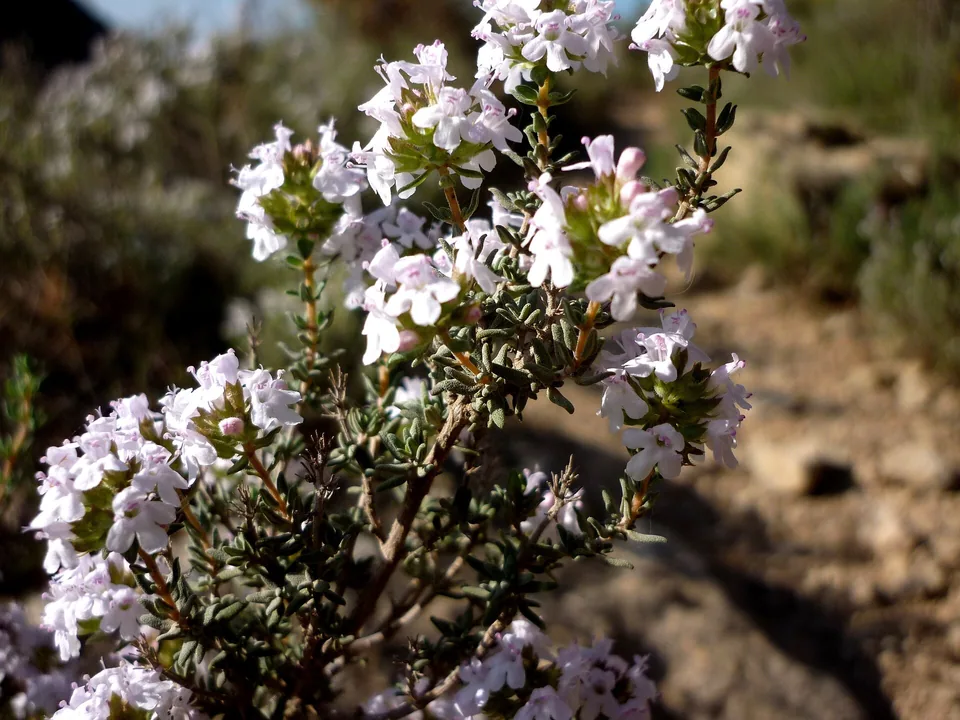
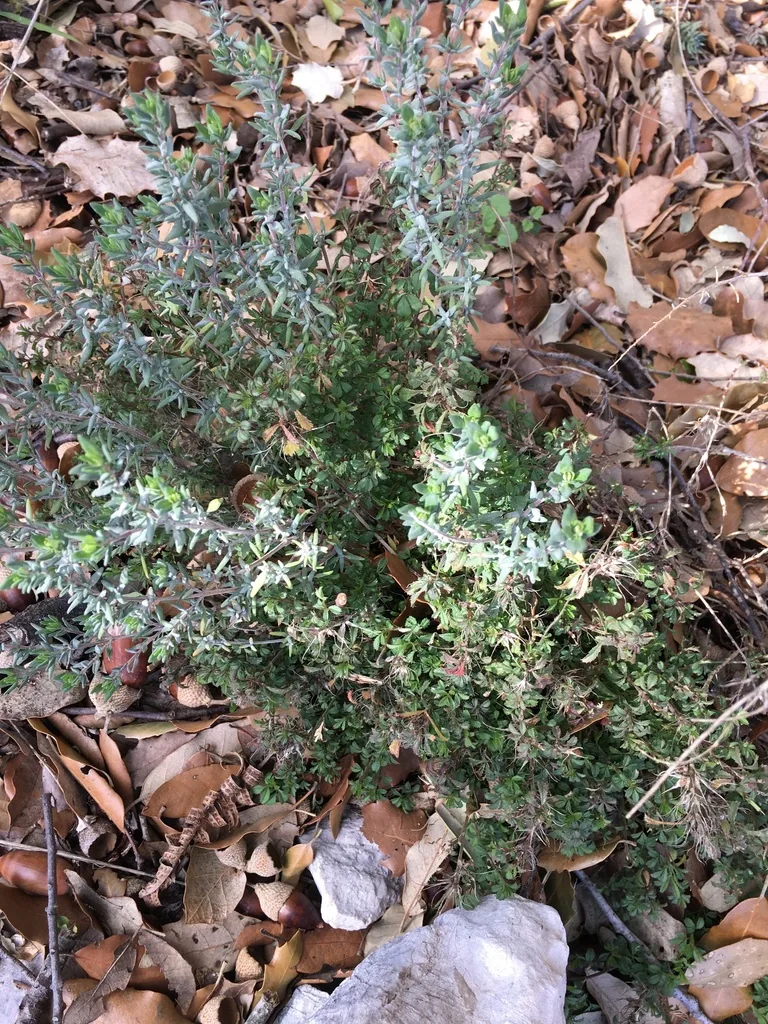

How to Grow and Care for Thyme
Thymus vulgaris
Written by Emilio Marruso · last checked
Not toxic to cats and dogs, according to the sources · Sources
At a glance
Thyme is a tough little woody perennial that fills your kitchen with flavor: its leaves, fresh or dried, season soups, stews, sauces, meats and fish. Give it full sun to partial shade and well-drained soil, and go easy on fertilizer, because it prefers poor soil. It grows happily in containers and even indoors, ready to snip whenever you cook.
- Sun
Full sun to partial shade
What the sources say (4)
Light: Full sun to partial shade
Central Florida: In Central Florida’s hot subtropical climate, providing some afternoon shade can help prevent the plants from becoming stressed.
— Spice Up Your Life: A Beginners Guide to Growing Thyme - UF/IFAS Extension Pasco County [7] According to Penn State Extension: Light and Soil: Full sun to partial shade; light, dry, well-drained soil with a pH of 6.3.
— Herb Garden Plants: Thyme [6] It performs best in dry, sandy, or rocky soils, prefers full sun, requires good drainage, and a neutral to alkaline pH.
— Thymus vulgaris (Common Thyme, Garden Thyme, German Thyme, Thyme) | North Carolina Extension Gardener Plant Toolbox [1] Light and Soil: Full sun to partial shade; light, dry, well-drained soil with a pH of 6.3.
— Herb Garden Plants: Thyme [6] - Water
Needs good drainage, as wet soil rots the roots; keep young plants moist
What the sources say (2)
Watering notes: Needs good drainage; wet or poorly drained soil leads to root disease; keep plants moist while young
Wet or poorly drained locations should be avoided because thyme is susceptible to root diseases in saturated soils.
— All About Thyme | Yard and Garden [8] Keep plants moist while young. Thin to about 12 inches apart.
— Herb Garden Plants: Thyme [6] - Cold
Survives winters down to −20 °F (−28.9 °C)
Very hardy · USDA 5a · RHS H7 · Z5
What the sources say (2)
Hardiness, coldest zone: 5a [winter low −28.9 to −26.1 °C (−20 to −15 °F)]
USDA Plant Hardiness Zone: 5a, 5b, 6a, 6b, 7a, 7b, 8a, 8b, 9a, 9b
— Thymus vulgaris (Common Thyme, Garden Thyme, German Thyme, Thyme) | North Carolina Extension Gardener Plant Toolbox [1] Hardiness, warmest zone: 9b [winter low −3.9 to −1.1 °C (25 to 30 °F)]
USDA Plant Hardiness Zone: 5a, 5b, 6a, 6b, 7a, 7b, 8a, 8b, 9a, 9b
— Thymus vulgaris (Common Thyme, Garden Thyme, German Thyme, Thyme) | North Carolina Extension Gardener Plant Toolbox [1] - Soil
Soil with pH 6.0–8.0; poor soil suits it fine
What the sources say (4)
Soil pH, minimum: 6.0
Thyme does well in alkaline soils with a pH between 6.0 and 8.0.
— Spice Up Your Life: A Beginners Guide to Growing Thyme - UF/IFAS Extension Pasco County [7] Soil pH, maximum: 8.0
Thyme does well in alkaline soils with a pH between 6.0 and 8.0.
— Spice Up Your Life: A Beginners Guide to Growing Thyme - UF/IFAS Extension Pasco County [7] Avoid: Over-fertilizing and excess fertility; thyme prefers low-fertility soils
Thyme prefers low fertility soils, over-fertilizing can lead to reduced flavor in the leaves.
— Spice Up Your Life: A Beginners Guide to Growing Thyme - UF/IFAS Extension Pasco County [7] Apply fertilizer sparingly, if at all. Excess fertility can produce weak, sprawling growth and diminish the concentration of aromatic oils.
— All About Thyme | Yard and Garden [8] - Spacing
8–12 in between plants
What the sources say (4)
Spacing: 20.3-30.5 cm (8-12 in)
According to University of Maryland Extension: Thin plants 8-12” apart.
— Thyme | University of Maryland Extension [5] According to Penn State Extension: Thin to about 12 inches apart.
— Herb Garden Plants: Thyme [6] This plant grows best in light, well-drained soil. Thin plants 8-12” apart.
— Thyme | University of Maryland Extension [5] Keep plants moist while young. Thin to about 12 inches apart.
— Herb Garden Plants: Thyme [6] - Planting
Early spring; in warm climates, late fall or early spring
What the sources say (4)
Planting: Early spring; in Central Florida, late fall or early spring
According to NC State Extension: Transplanting or dividing is best done in the early spring.
— Thymus vulgaris (Common Thyme, Garden Thyme, German Thyme, Thyme) | North Carolina Extension Gardener Plant Toolbox [1] Central Florida: You can plant thyme by seed or transplant in late fall or early spring.
— Spice Up Your Life: A Beginners Guide to Growing Thyme - UF/IFAS Extension Pasco County [7] Transplanting or dividing is best done in the early spring.
— Thymus vulgaris (Common Thyme, Garden Thyme, German Thyme, Thyme) | North Carolina Extension Gardener Plant Toolbox [1] You can plant thyme by seed or transplant in late fall or early spring.
— Spice Up Your Life: A Beginners Guide to Growing Thyme - UF/IFAS Extension Pasco County [7] - Feeding
Little or none: compost before planting; too much fertilizer means less flavor
What the sources say (6)
Natural fertilizers: Compost worked into the soil before planting
Thyme does not require much fertilizer, especially if you amend your soil with compost prior to planting.
— Spice Up Your Life: A Beginners Guide to Growing Thyme - UF/IFAS Extension Pasco County [7] How often: Sparingly, if at all; established plants need no fertilizer
Apply fertilizer sparingly, if at all. Excess fertility can produce weak, sprawling growth and diminish the concentration of aromatic oils.
— All About Thyme | Yard and Garden [8] When propagated by seed, it may take several years to mature enough to harvest. Once well established, thyme does not require much watering or any fertilizer.
— Herb Garden Plants: Thyme [6] Thyme does not require much fertilizer, especially if you amend your soil with compost prior to planting.
— Spice Up Your Life: A Beginners Guide to Growing Thyme - UF/IFAS Extension Pasco County [7] Signs of excess: Weak, sprawling growth, fewer aromatic oils and less flavor in the leaves
Apply fertilizer sparingly, if at all. Excess fertility can produce weak, sprawling growth and diminish the concentration of aromatic oils.
— All About Thyme | Yard and Garden [8] Thyme prefers low fertility soils, over-fertilizing can lead to reduced flavor in the leaves.
— Spice Up Your Life: A Beginners Guide to Growing Thyme - UF/IFAS Extension Pasco County [7] - Pruning
Trim lightly after flowering; cut older plants back hard in spring
What the sources say (3)
Pruning: Early spring and summer; lightly after flowering; older plants cut back severely in spring
Cut it back in early spring and summer to reduce its woody growth.
— Thymus vulgaris (Common Thyme, Garden Thyme, German Thyme, Thyme) | North Carolina Extension Gardener Plant Toolbox [1] Prune or shear plants lightly after flowering to maintain a compact habit and encourage new growth.
— All About Thyme | Yard and Garden [8] it can become woody and should be renewed every few years by cutting it back severely in the spring.
— Thyme | Herbs | Illinois Extension | Illinois [3] - Harvest
Cut the top 5–6 in just before flowering, leaving at least 5 in of growth
What the sources say (2)
How to harvest: Cut leafy stems just before the plant flowers, when the essential oil content of the leaves is at its peak; cut 13-15 cm (5 to 6 in) off the top growth and leave the woody stems, keeping at least 13 cm (5 in) of growth
Harvest it just before it flowers when the essential oil content of the leaves is at its peak. It is recommended to cut five to six inches off the top growth and leave the woody stems.
— Thymus vulgaris (Common Thyme, Garden Thyme, German Thyme, Thyme) | North Carolina Extension Gardener Plant Toolbox [1] A good rule of thumb is to keep at least 5 inches of the plant intact.
— Spice Up Your Life: A Beginners Guide to Growing Thyme - UF/IFAS Extension Pasco County [7] - Pests
Aphids and spider mites; wet soil brings root rot, crowding brings powdery mildew
What the sources say (5)
Pests: aphids, spider mites
Spider mites can occasionally become a problem during hot, dry weather. Aphids are occasional pests.
— All About Thyme | Yard and Garden [8] Aphids: These small, soft-bodied insects can cluster on the undersides of leaves, sucking sap and causing wilting.
— Spice Up Your Life: A Beginners Guide to Growing Thyme - UF/IFAS Extension Pasco County [7] Pests and Diseases: Root rot, fungal diseases, and spider mites.
— Herb Garden Plants: Thyme [6] Diseases: root rot, powdery mildew, other fungal diseases
Thyme is prone to fungal diseases such as powdery mildew and root rot, especially in humid conditions.
— Spice Up Your Life: A Beginners Guide to Growing Thyme - UF/IFAS Extension Pasco County [7] Pests and Diseases: Root rot, fungal diseases, and spider mites.
— Herb Garden Plants: Thyme [6] - Size
6–12 in tall and 6–16 in wide
What the sources say (3)
Mature height: 15-30 cm (6 to 12 in)
common thyme forms a mound about 6 to 12 inches high and 6 to 16 inches wide.
— Thymus vulgaris (Common Thyme, Garden Thyme, German Thyme, Thyme) | North Carolina Extension Gardener Plant Toolbox [1] Thyme is a low growing (6-12 inches tall) to almost prostrate
— Thyme | Herbs | Illinois Extension | Illinois [3] Mature width: 15-41 cm (6 to 16 in)
common thyme forms a mound about 6 to 12 inches high and 6 to 16 inches wide.
— Thymus vulgaris (Common Thyme, Garden Thyme, German Thyme, Thyme) | North Carolina Extension Gardener Plant Toolbox [1] - Sowing
Sow in spring; in warm climates, late fall or early spring
What the sources say (4)
Sowing: Spring; in Central Florida, late fall or early spring
Spring (fonte: Penn State Extension): In spring, sow seeds in a seed tray or scatter directly onto the ground.
— Herb Garden Plants: Thyme [6] Central Florida: You can plant thyme by seed or transplant in late fall or early spring.
— Spice Up Your Life: A Beginners Guide to Growing Thyme - UF/IFAS Extension Pasco County [7] Cultivation: In spring, sow seeds in a seed tray or scatter directly onto the ground.
— Herb Garden Plants: Thyme [6] You can plant thyme by seed or transplant in late fall or early spring.
— Spice Up Your Life: A Beginners Guide to Growing Thyme - UF/IFAS Extension Pasco County [7] - Containers
Grows in containers and even indoors
What the sources say (2)
In containers: Yes
Some species are used as landscape ornamentals, in rock gardens and walkways, or as border plants in herb gardens. Thyme can be grown in containers.
— Herb Garden Plants: Thyme [6] Indoors: Yes
Plants can be potted in the fall and grown all winter in a bright, sunny location. Use a well prepared soil mix in a pot with ample drainage.
— Thyme | Herbs | Illinois Extension | Illinois [3] - Safety
Not toxic to cats, dogs or horses
Overview
Common thyme is a woody, evergreen perennial herb grown mainly as an aromatic culinary plant. [1] It needs full sun and well-drained soil, tolerates drought once established and is hardy in zones 5 to 9. [1][7] It can be propagated by stem cuttings, layering, division or seed, and is trimmed when it gets leggy. [1][8]
Thyme care
How to water Thyme
Watering
The sources give different values depending on region, zone or growing conditions.
What each source says
Central Florida: Water to keep the soil evenly moist and avoid overwatering
Potted plants grown all winter: Water as needed but keep the soil on the dry side
According to Iowa State Extension: Water during prolonged dry periods, avoid frequent irrigation
What the sources say (6)
Central Florida: Water to keep the soil evenly moist and avoid over watering, as thyme plants are susceptible to root rot in waterlogged soil.Potted plants grown all winter: Water as needed but keep the soil on the dry side.According to Iowa State Extension: Water plants during prolonged dry periods, but avoid frequent irrigation.Once established, thyme requires relatively little maintenance. Water plants during prolonged dry periods, but avoid frequent irrigation.Thyme is drought-tolerant and relatively low maintenance once established.Once well established, thyme does not require much watering or any fertilizer.Watering notes
Needs good drainage; wet or poorly drained soil leads to root disease; keep plants moist while young
How much light Thyme needs
Full sun to partial shade
What each source says
Central Florida: Full sun, at least 6-8 hours per day; some afternoon shade can help prevent stress
According to Penn State Extension: Full sun to partial shade
What the sources say (4)
Central Florida: In Central Florida’s hot subtropical climate, providing some afternoon shade can help prevent the plants from becoming stressed.According to Penn State Extension: Light and Soil: Full sun to partial shade; light, dry, well-drained soil with a pH of 6.3.It performs best in dry, sandy, or rocky soils, prefers full sun, requires good drainage, and a neutral to alkaline pH.Light and Soil: Full sun to partial shade; light, dry, well-drained soil with a pH of 6.3.How much cold Thyme can take
Hardiness, coldest zone
5a [winter low −28.9 to −26.1 °C (−20 to −15 °F)]
What the sources say (1)
USDA Plant Hardiness Zone:
5a, 5b, 6a, 6b, 7a, 7b, 8a, 8b, 9a, 9bHardiness, warmest zone
9b [winter low −3.9 to −1.1 °C (25 to 30 °F)]
What the sources say (1)
USDA Plant Hardiness Zone:
5a, 5b, 6a, 6b, 7a, 7b, 8a, 8b, 9a, 9bBest soil for Thyme
Soil pH, minimum
6.0
What the sources say (1)
Thyme does well in alkaline soils with a pH between 6.0 and 8.0.Soil pH, maximum
8.0
What the sources say (1)
Thyme does well in alkaline soils with a pH between 6.0 and 8.0.Where to grow Thyme
Indoors
Yes
What the sources say (1)
Plants can be potted in the fall and grown all winter in a bright, sunny location. Use a well prepared soil mix in a pot with ample drainage.In containers
Yes
What the sources say (1)
Some species are used as landscape ornamentals, in rock gardens and walkways, or as border plants in herb gardens. Thyme can be grown in containers.Spacing
20.3-30.5 cm (8-12 in)
What each source says
According to University of Maryland Extension: 20.3-30.5 cm (8-12 in)
According to Penn State Extension: About 30.5 cm (12 in)
What the sources say (4)
According to University of Maryland Extension: Thin plants 8-12” apart.According to Penn State Extension: Thin to about 12 inches apart.This plant grows best in light, well-drained soil. Thin plants 8-12” apart.Keep plants moist while young. Thin to about 12 inches apart.How to propagate Thyme
The sources disagree:
What the sources say (2)
The best methods of propagation are stem cuttings, layering, or division. Due to uneven germination, it is difficult to propagate common thyme from seeds.Thyme is easy to propagate from seed , stem cuttings , layering , or division .How to grow Thyme
The plant
Life cycle
perennial (woody)
What the sources say (2)
Life Cycle: Perennial Woody Recommended Propagation Strategy: DivisionThyme is a low growing (6-12 inches tall) to almost prostrate, wiry stemmed perennial.Family
Lamiaceae (mint family)
Mature height
15-30 cm (6 to 12 in)
What the sources say (2)
common thyme forms a mound about 6 to 12 inches high and 6 to 16 inches wide.Thyme is a low growing (6-12 inches tall) to almost prostrateMature width
15-41 cm (6 to 16 in)
What the sources say (1)
common thyme forms a mound about 6 to 12 inches high and 6 to 16 inches wide.Harvest and storage
How to harvest
Cut leafy stems just before the plant flowers, when the essential oil content of the leaves is at its peak; cut 13-15 cm (5 to 6 in) off the top growth and leave the woody stems, keeping at least 13 cm (5 in) of growth
What the sources say (2)
Harvest it just before it flowers when the essential oil content of the leaves is at its peak. It is recommended to cut five to six inches off the top growth and leave the woody stems.A good rule of thumb is to keep at least 5 inches of the plant intact.Storage
Dry: hang the cut stems in small bunches in a dark, warm, well-ventilated area, then strip the leaves and keep them in sealed containers. Fresh: stems in a container of water for immediate use, or leaves wrapped in moist paper towels in the refrigerator; cuttings can also be frozen
What the sources say (3)
Hang the cut stems in small bunches in a dark, warm, well-ventilated area to dry. Once dry, the leaves can be stripped from the stems and stored in sealed containers.place the stems in a container of water away from direct sunlight for immediate use. For longer storage of this hardy herb, wrap the leaves with moist paper towels and store them in the refrigerator.Alternatively, you can freeze the cuttings or dry them to create your own seasoning.Pests and diseases
Pests
aphids, spider mites
What the sources say (3)
Spider mites can occasionally become a problem during hot, dry weather. Aphids are occasional pests.Aphids: These small, soft-bodied insects can cluster on the undersides of leaves, sucking sap and causing wilting.Pests and Diseases: Root rot, fungal diseases, and spider mites.Diseases
root rot, powdery mildew, other fungal diseases
What the sources say (2)
Thyme is prone to fungal diseases such as powdery mildew and root rot, especially in humid conditions.Pests and Diseases: Root rot, fungal diseases, and spider mites.Fertilizing
When
Before planting, as a compost amendment
What the sources say (1)
Thyme does not require much fertilizer, especially if you amend your soil with compost prior to planting.How often
Sparingly, if at all; established plants need no fertilizer
What the sources say (3)
Apply fertilizer sparingly, if at all. Excess fertility can produce weak, sprawling growth and diminish the concentration of aromatic oils.When propagated by seed, it may take several years to mature enough to harvest. Once well established, thyme does not require much watering or any fertilizer.Thyme does not require much fertilizer, especially if you amend your soil with compost prior to planting.Natural fertilizers
Compost worked into the soil before planting
What the sources say (1)
Thyme does not require much fertilizer, especially if you amend your soil with compost prior to planting.Avoid
Over-fertilizing and excess fertility; thyme prefers low-fertility soils
What the sources say (2)
Thyme prefers low fertility soils, over-fertilizing can lead to reduced flavor in the leaves.Apply fertilizer sparingly, if at all. Excess fertility can produce weak, sprawling growth and diminish the concentration of aromatic oils.Signs of excess
Weak, sprawling growth, fewer aromatic oils and less flavor in the leaves
What the sources say (2)
Apply fertilizer sparingly, if at all. Excess fertility can produce weak, sprawling growth and diminish the concentration of aromatic oils.Thyme prefers low fertility soils, over-fertilizing can lead to reduced flavor in the leaves.Thyme pests and problems
Root rot
Symptom: Roots rot in excessively wet conditions and the plant dies
What to do: Avoid overwatering and ensure proper drainage; remove affected plants
What the sources say (2)
Root Rot: Root rot is exactly what it sounds like. When plants grow in excessively wet conditions, the roots don’t have enough air, and they begin to rot.
— Spice Up Your Life: A Beginners Guide to Growing Thyme - UF/IFAS Extension Pasco County [7] Avoid overwatering and ensure proper drainage around plants.
— Spice Up Your Life: A Beginners Guide to Growing Thyme - UF/IFAS Extension Pasco County [7] Spider mites
Symptom: Stippling and webbing on leaves
What to do: Use insecticidal soap or oils
What the sources say (2)
Spider mites are tiny pests that feed on plant sap, causing stippling and webbing on leaves.
— Spice Up Your Life: A Beginners Guide to Growing Thyme - UF/IFAS Extension Pasco County [7] Use insecticidal soap or oils to control spider mite populations.
— Spice Up Your Life: A Beginners Guide to Growing Thyme - UF/IFAS Extension Pasco County [7] Aphids
Symptom: Clusters on the undersides of leaves, wilting, distorted growth and sticky residue
What to do: Dislodge with a strong jet of water; insecticidal soap or neem oil
What the sources say (2)
These small, soft-bodied insects can cluster on the undersides of leaves, sucking sap and causing wilting.
— Spice Up Your Life: A Beginners Guide to Growing Thyme - UF/IFAS Extension Pasco County [7] Use a strong jet of water to dislodge aphids from the plant.
— Spice Up Your Life: A Beginners Guide to Growing Thyme - UF/IFAS Extension Pasco County [7] Powdery mildew
Symptom: White, powdery coating on leaves, leaf distortion and premature leaf drop
What to do: Space plants out and grow in well-draining soil for air circulation
What the sources say (1)
Powdery mildew appears as a white, powdery coating on leaves. It can cause leaf distortion and premature leaf drop.
— Spice Up Your Life: A Beginners Guide to Growing Thyme - UF/IFAS Extension Pasco County [7]
Remedies
Each remedy shows what official sources say about it; traditional remedies without an official source are marked as such. Harmful ones are listed so you know to avoid them.
Treating the plant
aphids
strong jet of water Works
How: A strong blast of water or thorough washing dislodges soft-bodied bugs like aphids and spider mites; repeat every few days for persistent outbreaks.
For soft-bodied bugs like aphids and spider mites, a strong blast of water or thorough washing can dislodge them from plants
— cultivatedearth.com [9] What the evidence says Use a strong jet of water to dislodge aphids from the plant.
— Spice Up Your Life: A Beginners Guide to Growing Thyme - UF/IFAS Extension Pasco County [7] insecticidal soap spray Works
Always follow the label instructions on the product you use to prevent plant injury.
— Spice Up Your Life: A Beginners Guide to Growing Thyme - UF/IFAS Extension Pasco County [7] we are referring to commercially available oils and soaps that are formulated specifically for use as pesticides
— ucanr.edu [10] How: Spray every seven to ten days, coating the leaf undersides where bugs hide, and reapply after rain.
When it comes to organic treatments, neem oil and insecticidal soap are gentle on beneficial insects but tough on most soft-bodied and sucking pests.
— cultivatedearth.com [9] What the evidence says Spraying insecticidal soap or neem oil will help control their numbers.
— Spice Up Your Life: A Beginners Guide to Growing Thyme - UF/IFAS Extension Pasco County [7] neem oil spray Works
Always follow the label instructions on the product you use to prevent plant injury.
— Spice Up Your Life: A Beginners Guide to Growing Thyme - UF/IFAS Extension Pasco County [7] How: Spray every seven to ten days, coating the leaf undersides where bugs hide, and reapply after rain.
When it comes to organic treatments, neem oil and insecticidal soap are gentle on beneficial insects but tough on most soft-bodied and sucking pests.
— cultivatedearth.com [9] What the evidence says Spraying insecticidal soap or neem oil will help control their numbers.
— Spice Up Your Life: A Beginners Guide to Growing Thyme - UF/IFAS Extension Pasco County [7]
powdery mildew
baking soda, dish detergent and olive oil spray Not verified
Traditional remedy, not verified by an official source.
spraying home remedies that contain dish detergent on plants on a sunny day can injure the plant, essentially burning it.
— extension.psu.edu [11] homemade pesticides generally have not been studied in replicated research trials and therefore have not been scientifically proven to effectively control pests.
— ucanr.edu [10] How: Mix one tablespoon of baking soda, 1/2 teaspoon of a mild dish detergent, and 2 1/2 tablespoons of olive oil in a gallon of water; shake well before spraying and repeat every week.
clipping and disposing of diseased plant parts Works
How: If the plant has a severe case, remove and dispose of the sick plant parts to prevent the spread of the disease.
If the plant has a severe case, remove, and dispose of the sick plant parts to prevent the spread of the disease.
— Spice Up Your Life: A Beginners Guide to Growing Thyme - UF/IFAS Extension Pasco County [7] What the evidence says Many insect and disease issues can be solved in the home garden by hand-picking insects or clipping and disposing of diseased plant parts.
— extension.unh.edu [12]
slugs
beer trap Not verified
Traditional remedy, not verified by an official source.
How: Slugs and snails retreat when beer traps are used around plant bases.
diatomaceous earth Not verified
Traditional remedy, not verified by an official source.
How: Slugs and snails retreat when diatomaceous earth is used around plant bases.
insect pests
companion planting with rosemary or sage Not verified
Traditional remedy, not verified by an official source.
How: Grow thyme alongside pest-repelling herbs like rosemary or sage.
Is Thyme poisonous?
Reported by the source, quoted verbatim. This is not medical or veterinary advice: if a person or an animal may have eaten this plant, contact a poison control centre or a veterinarian.
#attractive leaves #non-toxic for cats #non-toxic for horses #non-toxic for dogs #subshrub
[1]The source flags the risk for this animal but does not explain why.
Calendar
Sowing
Spring; in Central Florida, late fall or early spring
What each source says
Spring (fonte: Penn State Extension): Spring
Central Florida: Late fall or early spring
What the sources say (4)
Spring (fonte: Penn State Extension): In spring, sow seeds in a seed tray or scatter directly onto the ground.Central Florida: You can plant thyme by seed or transplant in late fall or early spring.Cultivation: In spring, sow seeds in a seed tray or scatter directly onto the ground.You can plant thyme by seed or transplant in late fall or early spring.Planting
Early spring; in Central Florida, late fall or early spring
What each source says
According to NC State Extension: Early spring
Central Florida: Late fall or early spring
What the sources say (4)
According to NC State Extension: Transplanting or dividing is best done in the early spring.Central Florida: You can plant thyme by seed or transplant in late fall or early spring.Transplanting or dividing is best done in the early spring.You can plant thyme by seed or transplant in late fall or early spring.Harvest
The sources give different values depending on region, zone or growing conditions.
What each source says
According to University of Maryland Extension: When first blossoms open
According to Penn State Extension: Just before the plant flowers
What the sources say (4)
According to University of Maryland Extension: Cut leafy tops and flower clusters when first blossoms open and dry.According to Penn State Extension: Harvest the leafy branches just before the plant flowers.Harvest thyme leaves as needed throughout the growing season, being careful not to over-harvest.For the best flavor, cut leafy stems shortly before flowering or when the first blossoms begin to open.Pruning
Early spring and summer; lightly after flowering; older plants cut back severely in spring
What the sources say (3)
Cut it back in early spring and summer to reduce its woody growth.Prune or shear plants lightly after flowering to maintain a compact habit and encourage new growth.it can become woody and should be renewed every few years by cutting it back severely in the spring.Months as given by the sources, which are mostly from the United States (northern hemisphere). In the southern hemisphere they shift by about six months.
Edibility
Reported by the source, quoted verbatim. Do not eat a plant on the basis of this page alone: identification mistakes can be dangerous.
Indicative values
Values from a secondary source, not checked word for word like the rest of this page. Use them as a starting point.
- Hours of sun
- 8-10 hoursIndicative value, adapt it to your climate · Secondary source
- Drought tolerant
- yesIndicative value, adapt it to your climate · Secondary source
- Soil
- Well-drainedIndicative value, adapt it to your climate · Secondary source
- Care level
- MediumIndicative value, adapt it to your climate · Secondary source
- Growth rate
- ModerateIndicative value, adapt it to your climate · Secondary source
Similar plants
- Broad-Leaved Thyme Thymus pulegioides
- Creeping Thyme Thymus praecox
- Creeping Thyme Thymus serpyllum
- Thymus longicaulis Thymus longicaulis
- Wooly Thyme Thymus pseudolanuginosus
- Abies grandis Abies grandis
- Abraham Trachystemon orientalis
- Abyssinian banana Ensete ventricosum
Sources
Every value above is quoted from these documents. Links lead to the original publisher.
- Thymus vulgaris (Common Thyme, Garden Thyme, German Thyme, Thyme) | North Carolina Extension Gardener Plant Toolbox · plants.ces.ncsu.edu, consulted
- Thymus (Thyme) | North Carolina Extension Gardener Plant Toolbox · plants.ces.ncsu.edu, consulted
- Thyme | Herbs | Illinois Extension | Illinois · extension.illinois.edu, consulted
- Thyme - Thymus vulgaris | North Carolina Extension Gardener Plant Toolbox · plants.ces.ncsu.edu, consulted
- Thyme | University of Maryland Extension · extension.umd.edu, consulted
- Herb Garden Plants: Thyme · extension.psu.edu, consulted
- Spice Up Your Life: A Beginners Guide to Growing Thyme - UF/IFAS Extension Pasco County · blogs.ifas.ufl.edu, consulted
- All About Thyme | Yard and Garden · yardandgarden.extension.iastate.edu, consulted
- cultivatedearth.com · cultivatedearth.com
- ucanr.edu · ucanr.edu
- extension.psu.edu · extension.psu.edu
- extension.unh.edu · extension.unh.edu
Written by Emilio Marruso · last checked