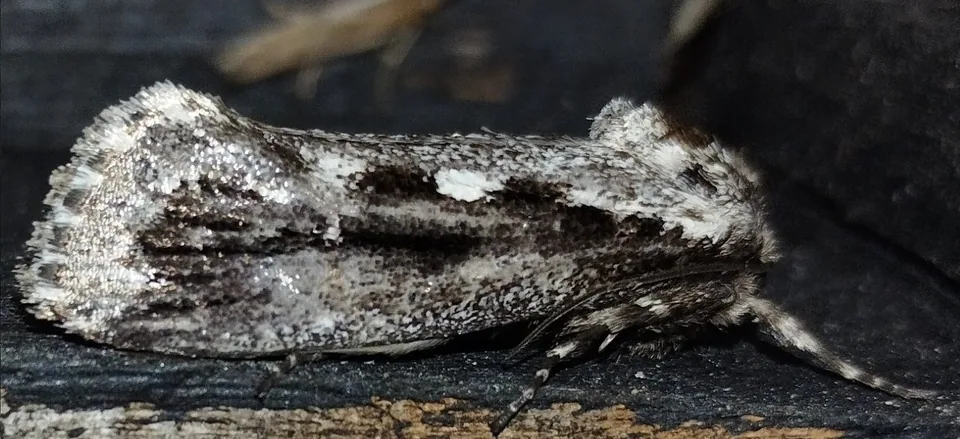
Insect
Caterpillars
Lepidoptera
Written by Emilio Marruso
Classification: Arthropoda › Hexapoda › Insecta
Plants it attacks
Plants in our guide where this problem is reported. Open a plant to see the sources.
- Chinese Abelia
Symptom: Caterpillars may eat the foliage, without significantly changing the appearance.
- Copperleaf
Symptom: Listed as pests that can occur.
- Livid Amaranth
Symptom: Can cause serious damage
- Coral Vine
Symptom: Caterpillars may eat the foliage; the vine has no serious pests or diseases.
- Coffee
Symptom: Coffee plants are susceptible to scale, mealybug, thrips, caterpillars and mites.
- Golden Dewdrop
Symptom: Potential pest offenders; typically not serious
- Candytuft
Symptom: Feeding damage
- Lantana
Symptom: Leaves appear grayish and stippled or brown and drop
- Passiflora edulis
Symptom: Caterpillars slow growth by eating foliage
- Pentas
Symptom: Insects may affect the plant; caterpillars may chew on the foliage.
- Hairy Solomon's Seal
Symptom: Aphids, thrips, and caterpillars can be a problem
- Forest Lily
Symptom: Caterpillars may eat the flower buds.
Also reported on: Asian Pear, Autumn Sage, Basil, Bigleaf Magnolia, Blackberry Lily, Boston Ivy, Bougainvillea, Brown Mustard, Bush Clematis, Bush Clematis, Cabbage, Caladium, Carnation, Chives, Coleus, Cranberry Hibiscus, Creeping Raspberry, Dill, Dwarf Larkspur, English Yew, European Pussy Willow, Fennel, Fountain Butterfly Bush, Garden lettuce, Golden Bell Clematis, Hardy Canna, Ivy Geranium, Japanese Painted Fern, Japanese persimmon, Laurustine, Lemon, Mediterranean Redbud, Moonflower, Morning Glory, Paperbark Maple, Parsley, Pear, Perennial Wallrocket, Persimmon, Pineapple Sage, Pride of Barbados, Primrose, Pussy Willow, Quaking Aspen, Red Maple, Redbud, Rocketsalad, Rosemary, Scarlet Sage, Scarlet Sage, Scotch Broom, Southern Magnolia, Star Magnolia, Sweet Pitcher Plant, Tarragon, Tea Camellia, Texas Clematis, Tomato, Water Tupelo, Whitetop Pitcher Plant, Willow Oak, Winter Flowering Clematis
Remedies
What our plant sheets report, with the outcome checked against official sources. Traditional remedies without an official source are flagged.
Treat
hand-picking Works
How: Remove caterpillars by hand; leaftier caterpillars can be found tucked inside rolled-up leaves during the day, while loopers hide under the leaves and feed at night.
Reported for 6 plants: Bougainvillea, Cabbage, Pride of Barbados, Mediterranean Redbud, Morning Glory, English Yew
hand-picking caterpillars Works
How: collect and destroy the affected plant parts with the caterpillars
Reported for 6 plants: Livid Amaranth, Perennial Wallrocket, Rocketsalad, Moonflower, Pear, Whitetop Pitcher Plant
handpicking Works
How: Hand-pick the caterpillars.
Reported for 3 plants: Japanese Painted Fern, Boston Ivy, Scarlet Sage
Bacillus thuringiensis spray Works
How: Spray when the insect is very abundant; consult the label.
Reported for 1 plant: Boston Ivy
hand-picking by torchlight Works
How: Hand-pick the caterpillars by torchlight on mild evenings.
Reported for 1 plant: Golden Bell Clematis
hand-picking caterpillars and aphid clusters Works
How: Put on a glove and gently remove them by hand, checking the undersides of the leaves.
Reported for 1 plant: Carnation
bacillus thuringiensis (bt) spray Partly works
How: Bacterial-based insecticide applied to the foliage controls younger caterpillars.
Reported for 1 plant: Water Tupelo
hand removal of egg masses and caterpillars Partly works
How: Egg masses and individual caterpillars can be removed by hand or with a strong stream of water (small infestations).
Reported for 1 plant: Water Tupelo
hand-picking by torchlight Partly works
How: Hand-pick caterpillars by torchlight on mild evenings.
Reported for 1 plant: Bush Clematis
neem oil spray Partly works
How: Neem oil is reported to help control caterpillars; start early, before the infestation becomes severe, reapply as directed, and spray where the caterpillars feed, around dusk.
Reported for 1 plant: Bougainvillea
handpicking Official source, not independently tested
How: Handpick and destroy the caterpillars.
Reported for 2 plants: Scarlet Sage, Pineapple Sage
dropping caterpillars into soapy water Official source, not independently tested
How: Handpick caterpillars from the plants and relocate them or dispatch them in a bucket of soapy water.
Reported for 1 plant: Dill
hand removal Official source, not independently tested
How: Physically remove the caterpillars, or prune out the damaged stems on larger plants.
Reported for 1 plant: Rosemary
handpicking larvae Official source, not independently tested
How: Reduce weeds that act as alternate hosts and handpick and remove larvae when spotted.
Reported for 1 plant: Dwarf Larkspur
sticky tape band on trunk Official source, not independently tested
How: Double-sided sticky tape placed in a ring around the trunk or branches captures caterpillars moving up and down the tree; change it regularly during an outbreak.
Reported for 1 plant: Water Tupelo
bacillus thuringiensis Not verified
How: This natural bacteria can be used to target specific pests, such as caterpillars.
Reported for 3 plants: Brown Mustard, Creeping Raspberry, Sweet Pitcher Plant
hand picking Not verified
How: If you see ragged margins on foliage, look for the creatures and hand pick them off the plants.
Reported for 3 plants: Caladium, Cranberry Hibiscus, Autumn Sage
hand-picking Not verified
How: Hand-pick caterpillars when practical.
Reported for 3 plants: Tea Camellia, Fennel, Garden lettuce
handpicking Not verified
How: Pick larger pests early in the morning when they are sluggish and drop them into a bucket of soapy water.
Reported for 3 plants: Chives, Scotch Broom, Willow Oak
egg masses in soapy water Not verified
How: Inspect the trunk and branches for egg masses, and remove and dispose of them by dropping in a bucket of soapy water.
Reported for 2 plants: Southern Magnolia, Star Magnolia
hand picking into soapy water Not verified
How: removing any caterpillars by hand, dropping them into a container of soapy water to eliminate them quickly.
Reported for 2 plants: Coleus, Sweet Pitcher Plant
30 more remedies are reported in single plant sheets.
Where it is found
No distribution data.